

Introduction
Personal finance is not about being rich—it’s about being prepared. From managing monthly expenses to using credit cards responsibly and planning for retirement, financial decisions made today shape your future stability.
Yet, many people earn well but still struggle financially due to a lack of basic personal finance knowledge. This guide breaks down budgeting, credit cards, retirement planning, and essential money habits in a simple, practical way.
Personal finance basics include budgeting income, managing expenses, using credit cards responsibly, saving regularly, investing wisely, and planning early for retirement to ensure long-term financial security.
Understanding Personal Finance Basics
What Does Personal Finance Really Mean?
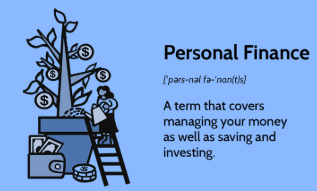
Personal finance refers to how individuals:
Earn money
Spend money
Save money
Invest money
Plan for future needs like retirement
Expert Commentary:
“Personal finance success is determined more by behavior than income.”
— Certified Financial Planner, India
H2: Budgeting – The Foundation of Financial Stability
H3: Why Budgeting Is Non-Negotiable
Budgeting helps you:
Control spending
Avoid debt traps
Increase savings
Achieve financial goals
H3: Popular Budgeting Methods Compared
| Budget Method | Best For | Key Feature |
|---|---|---|
| 50-30-20 Rule | Beginners | Simple allocation |
| Zero-Based Budget | High discipline | Every rupee assigned |
| Envelope System | Cash spenders | Spending limits |
H3: Step-by-Step Monthly Budget Guide
Calculate monthly income
List fixed expenses
Track variable expenses
Set savings targets
Review weekly
H2: Credit Cards – Smart Tool or Debt Trap?
H3: Benefits of Using Credit Cards Wisely
Builds credit score
Earns rewards & cashback
Offers emergency liquidity
H3: Common Credit Card Mistakes
Paying minimum due only
Overspending on EMIs
Missing payment dates
H3: Credit Card Dos & Don’ts
| Do | Don’t |
|---|---|
| Pay full dues | Revolve balance |
| Keep utilization <30% | Max out limit |
| Track statements | Ignore charges |
Real-World Experience:
Many salaried professionals unknowingly pay 30–40% annual interest due to poor credit card discipline.
H2: Saving & Investing – Building Financial Security
H3: Emergency Fund Comes First
6 months expenses (salaried)
9–12 months (self-employed)
H3: Saving vs Investing
| Aspect | Saving | Investing |
|---|---|---|
| Risk | Low | Medium–High |
| Returns | Low | Higher |
| Purpose | Safety | Growth |
H2: Retirement Planning – Start Early, Relax Later
H3: Why Retirement Planning Is Critical
Rising healthcare costs
Longer life expectancy
Limited pension coverage
H3: Retirement Planning Options in India
EPF & PPF
NPS
Mutual Fund SIPs
Annuity plans
H3: Power of Early Planning
| Start Age | Monthly Investment | Retirement Corpus |
|---|---|---|
| 25 | ₹5,000 | High |
| 35 | ₹10,000 | Medium |
| 45 | ₹20,000 | Low |
H2: Pros & Cons of Structured Financial Planning
Pros
Financial clarity
Reduced stress
Better goal achievement
Secure retirement
Cons
Requires discipline
Delayed gratification
Regular monitoring needed
H2: Key Takeaways
Budgeting is the backbone of personal finance
Credit cards are useful only when controlled
Saving alone is not enough—investing is essential
Retirement planning should start early
Financial habits matter more than income
Internal & External Linking Suggestions
Internal Links (Suggestions):
How to Improve Credit Score
Personal Loan Eligibility Guide
SIP Investment Planning
Emergency Fund Calculator
External Links (Suggestions):
RBI financial education portal
SEBI investor awareness initiatives
Government retirement savings schemes
FAQs – Personal Finance Basics
1. What are personal finance basics?
Managing income, expenses, savings, investments, and retirement planning.
2. Why is budgeting important?
It helps control spending and increase savings.
3. How much should I save monthly?
At least 20–30% of income.
4. Are credit cards bad?
No, if used responsibly and paid in full.
5. What is a good credit utilization ratio?
Below 30%.
6. How much emergency fund is enough?
6 months of expenses.
7. Should beginners invest?
Yes, start small and early.
8. What is the safest investment?
Diversified long-term investments.
9. When should retirement planning start?
As early as possible.
10. Is EPF enough for retirement?
Usually not. Additional investments are needed.
11. Can low-income earners plan finances?
Yes, discipline matters more than income.
12. How to avoid debt traps?
Avoid unnecessary loans and credit card misuse.
13. Is financial planning expensive?
No, basic planning can be self-managed.
14. How often should finances be reviewed?
Quarterly.
15. Can loans be part of planning?
Yes, when used responsibly.
🏦 PROMOTION
Vizzve Financial is one of India’s trusted loan support platforms offering quick personal loans, low documentation, and an easy approval process.
👉 Apply now at www.vizzve.com
Published on : 19th December
Published by : Reddy kumar
www.vizzve.com || www.vizzveservices.com
Follow us on social media: Facebook || Linkedin || Instagram
🛡 Powered by Vizzve Financial
RBI-Registered Loan Partner | 10 Lakh+ Customers | ₹600 Cr+ Disbursed