

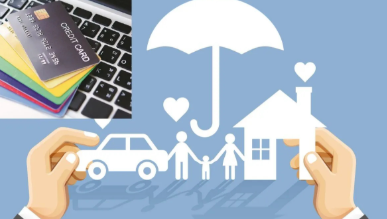
Introduction
Personal finance is not just about earning more—it’s about protecting what you earn and using financial tools wisely. In India, rising medical costs, easy access to credit cards, and lifestyle inflation have made insurance planning and credit discipline essential.
This guide explains personal finance fundamentals, how to choose the right insurance, and how to use credit cards without falling into debt—all in simple, practical language.
Personal finance includes budgeting income, buying adequate insurance, managing credit cards responsibly, controlling debt, and building long-term financial security through disciplined money habits.
Summary Box (Fast Indexing)
Insurance protects income and savings
Credit cards should be convenience tools, not debt traps
Good financial habits matter more than high income
Financial security comes from planning, not luck
H2: Understanding Personal Finance Basics
H3: What Is Personal Finance?
Personal finance focuses on:
Income management
Expense control
Insurance protection
Credit usage
Savings and investments
Expert Commentary:
“The biggest financial risk is not market volatility—it’s being uninsured or over-leveraged.”
— Senior Financial Planner, India
H2: Insurance – Your Financial Safety Net
H3: Why Insurance Is Non-Negotiable
Insurance protects you from:
Medical emergencies
Loss of income
Family financial instability
H3: Types of Insurance Everyone Needs
| Insurance Type | Purpose | Priority |
|---|---|---|
| Health Insurance | Medical expenses | Very High |
| Term Life Insurance | Family income protection | High |
| Motor Insurance | Legal & accident cover | Mandatory |
| Personal Accident | Disability protection | Medium |
H3: Health Insurance Tips (India-Specific)
Minimum ₹5–10 lakh cover
Choose policies with low waiting periods
Check network hospitals
Real-World Insight:
Many families exhaust lifetime savings due to lack of adequate health insurance.
H2: Insurance vs Investment – Don’t Mix Them
| Aspect | Insurance | Investment |
|---|---|---|
| Purpose | Protection | Wealth creation |
| Risk | Low | Medium–High |
| Liquidity | Limited | Flexible |
Trust-Building Note:
Pure term insurance + separate investments usually work better than bundled plans.
H2: Credit Cards – Help or Hidden Danger?
H3: How Credit Cards Actually Work
Interest-free period: 20–45 days
Interest rates: 30–42% annually
Minimum due ≠ full payment
H3: Benefits of Smart Credit Card Use
Builds credit score
Cashback and rewards
Emergency liquidity
H3: Common Credit Card Mistakes
Paying only minimum due
EMI stacking
Missing due dates
H2: Credit Card Dos & Don’ts
H3: Dos
Pay full bill every month
Keep utilization below 30%
Track statements
H3: Don’ts
Withdraw cash
Ignore hidden charges
Use credit for lifestyle inflation
H2: Credit Card vs Personal Loan
| Factor | Credit Card | Personal Loan |
|---|---|---|
| Interest | Very High | Lower |
| Flexibility | High | Medium |
| Best For | Short-term use | Planned expenses |
H2: Pros & Cons of Using Credit Cards
Pros
Convenience
Rewards
Credit history
Cons
High interest
Overspending risk
Debt trap potential
H2: Step-by-Step Personal Finance Checklist
Track monthly income & expenses
Build emergency fund (6 months)
Buy health & term insurance
Use credit cards responsibly
Review finances quarterly
H2: Key Takeaways
Insurance protects wealth; credit preserves liquidity
Health insurance is more important than tax saving
Credit cards should never replace income
Financial discipline beats financial products
Internal & External Linking Suggestions
Internal Links (Suggestions):
Credit Score Improvement Guide
Best Personal Loan Options
Emergency Fund Calculator
SIP Investment Basics
External Links (Suggestions):
IRDAI insurance guidelines
RBI credit card rules
Government financial literacy portals
FAQ
1. What is personal finance?
Managing income, expenses, insurance, and credit.
2. Why is insurance important?
It protects savings from unexpected shocks.
3. Is health insurance mandatory?
Not legally, but financially essential.
4. How much health cover is enough?
₹5–10 lakh minimum.
5. Is term insurance better than ULIPs?
Yes, for pure protection.
6. Are credit cards bad?
No, if used responsibly.
7. What is a safe credit utilization ratio?
Below 30%.
8. Can credit cards improve credit score?
Yes, with timely full payments.
9. What happens if I pay minimum due?
Interest is charged on balance.
10. Is personal loan better than credit card?
For large expenses, yes.
11. How many credit cards are safe?
1–2 well-managed cards.
12. Should insurance be treated as investment?
No.
13. What is the biggest personal finance mistake?
Being uninsured.
14. How often should finances be reviewed?
Every 3–6 months.
15. Can low income still plan finances?
Yes, habits matter more than income.
Published on : 19th December
Published by : Reddy kumar
www.vizzve.com || www.vizzveservices.com
Follow us on social media: Facebook || Linkedin || Instagram
🛡 Powered by Vizzve Financial
RBI-Registered Loan Partner | 10 Lakh+ Customers | ₹600 Cr+ Disbursed