

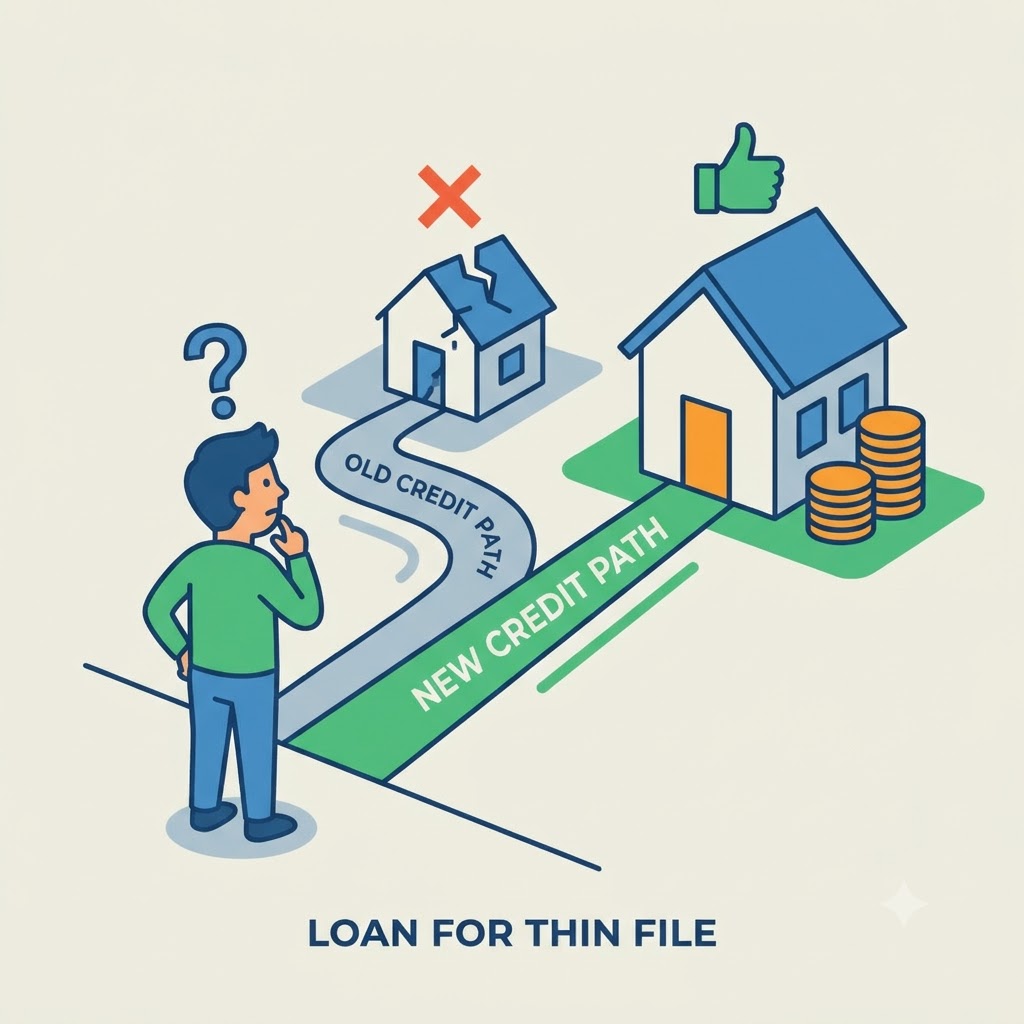
Introduction
Getting a personal loan can be challenging if you have a thin credit file. A thin credit file means you have limited credit history because you may not have used credit cards, taken loans, or built a long repayment record. Even if you manage your money responsibly, lenders may have limited information to assess your creditworthiness.
The good news is that a thin credit file does not automatically mean your personal loan application will be rejected. Understanding lender requirements, maintaining stable income, and choosing the right loan can improve your chances of approval.
In this guide, we explain how to get a personal loan with a thin credit file, the factors lenders consider, and the steps you can take to build a stronger credit profile.
What Is a Thin Credit File?
A thin credit file is a credit report that contains limited information about your borrowing and repayment history. It may happen when you are new to credit or have rarely used formal borrowing products.
For example, you may have a thin credit file if:
-
You have never taken a personal loan.
-
You have never used a credit card.
-
You recently started your first job.
-
You have limited credit repayment history.
-
You usually rely on savings or cash instead of borrowing.
A thin credit file is different from a poor credit score. A thin file means there is not enough credit information to assess your repayment behaviour confidently, while a poor credit profile may reflect past repayment problems.
Can You Get a Personal Loan With a Thin Credit File?
Yes, it may be possible to get a personal loan with a thin credit file. However, approval depends on the lender's eligibility criteria and its assessment of your financial situation.
Lenders may consider several factors, including:
-
Monthly income: Whether you earn enough to repay the loan.
-
Employment stability: How consistently you receive income.
-
Existing EMIs: How much of your income is already committed to debt.
-
Bank statements: Whether your income and expenses appear manageable.
-
Credit history: Any available repayment information.
-
Loan amount: Whether the requested amount is affordable.
Some lenders may approve a smaller loan or offer different interest rates and terms based on their assessment.
How to Improve Your Chances of Getting a Personal Loan
1. Maintain a Stable Income
A regular income can help demonstrate your ability to repay a loan. Keep your salary slips, bank statements, and other income documents ready.
2. Choose an Affordable Loan Amount
Avoid applying for a larger loan than you need. A smaller amount may result in a more manageable EMI and could make your application easier to assess.
3. Check Your Credit Report
Review your credit report for incorrect personal details, unfamiliar accounts, or errors. If you find a mistake, raise a dispute with the relevant credit bureau or lender.
4. Reduce Existing Debt
If you already have loans or credit card balances, review your monthly repayment commitments. Lower existing debt can improve your overall repayment capacity.
5. Avoid Multiple Loan Applications
Submitting several applications within a short period may lead to multiple lender enquiries and can affect your credit profile. Compare eligibility requirements before applying.
6. Provide Accurate Documents
Submit genuine identity, address, income, and banking documents requested by the lender. Accurate information can help avoid unnecessary delays.
7. Build Your Credit History Gradually
If you do not need a loan immediately, consider building credit responsibly over time. A suitable credit product used within your means and repaid on time may help establish a repayment record.
Documents Required for a Personal Loan
Depending on the lender, you may need:
-
PAN card or other accepted identity documents.
-
Aadhaar or other accepted address proof.
-
Recent salary slips or income proof.
-
Bank statements.
-
Employment or business details.
-
Any additional documents requested during verification.
Requirements vary between banks, NBFCs, and digital lending providers.
What Should You Check Before Applying?
Before accepting a personal loan, review the following:
| Factor | What to Check |
|---|---|
| Interest rate | The rate applicable to your loan |
| APR | The annualised borrowing cost, including applicable charges |
| EMI | Whether the monthly payment fits your budget |
| Processing fee | Any upfront loan charges |
| Loan tenure | The repayment period |
| Late payment charges | Fees or penalties for delayed payments |
| Key Facts Statement | Applicable loan terms and charges disclosed by the regulated lender |
Do not select a loan based only on quick approval. Compare the total repayment amount and confirm the lender's identity before sharing personal or financial information.
Common Mistakes to Avoid
When applying for a personal loan with a thin credit file, avoid:
-
Applying without checking eligibility.
-
Borrowing more than you can comfortably repay.
-
Paying advance fees to unknown agents promising guaranteed approval.
-
Sharing OTPs, passwords, or banking credentials.
-
Ignoring processing fees and other charges.
-
Using one loan to repay another without a clear repayment plan.
No legitimate lender can guarantee approval solely because you have a particular income or a thin credit file.
Is a Personal Loan the Right Choice?
A personal loan may be useful for a genuine financial need when the EMI fits comfortably within your monthly budget. However, if your income is unstable or you already struggle with repayments, consider whether you can delay the expense, use savings, or explore other affordable options.
Calculate your expected EMI and total repayment before committing. A loan should solve a financial need without creating additional repayment stress.
Frequently Asked Questions
1. What is a thin credit file?
A thin credit file is a credit report with limited information about your borrowing and repayment history.
2. Can I get a personal loan without a credit history?
Yes, some lenders may consider your application, depending on their eligibility criteria, income, employment, and repayment capacity.
3. Is a thin credit file the same as a low CIBIL score?
No. A thin credit file means limited credit information, while a low score generally reflects information that indicates higher credit risk.
4. Can a first-time borrower apply for a personal loan?
Yes. First-time borrowers may apply, but approval and loan terms depend on the lender's assessment.
5. Does a thin credit file mean loan rejection?
No. It may make assessment more difficult, but it does not automatically result in rejection.
6. Can salary help me get a personal loan?
A stable salary can support your application by demonstrating repayment capacity, although it does not guarantee approval.
7. Will applying for multiple loans affect my credit profile?
Multiple lender enquiries within a short period may affect your credit profile. Compare options before submitting applications.
8. How can I build my credit history?
Use suitable credit products responsibly, make payments on time, and keep your borrowing within your repayment capacity.
9. Can I get a personal loan if I already have EMIs?
Possibly. Lenders may consider your income, existing EMI commitments, and remaining repayment capacity.
10. Should I pay an advance fee to guarantee loan approval?
Be cautious of anyone promising guaranteed approval in exchange for an advance payment. Verify the lender and all charges independently.
Conclusion
Getting a personal loan with a thin credit file may be possible when you demonstrate stable income, manageable expenses, and a realistic repayment plan. Start by checking your credit report, comparing eligible lenders, and selecting an affordable loan amount.
Before accepting an offer, read the Key Facts Statement and review the interest rate, APR, fees, EMI, and repayment conditions. Responsible borrowing today can help you build a stronger financial profile over time.
Published on : 25thOctober 2026
Published by : monisha
www.vizzve.com || www.vizzveservices.com
Follow us on social media: Facebook || Linkedin || Instagram
🛡 Powered by Vizzve Financial
RBI-Registered Loan Partner | 10 Lakh+ Customers | ₹600 Cr+ Disbursed