

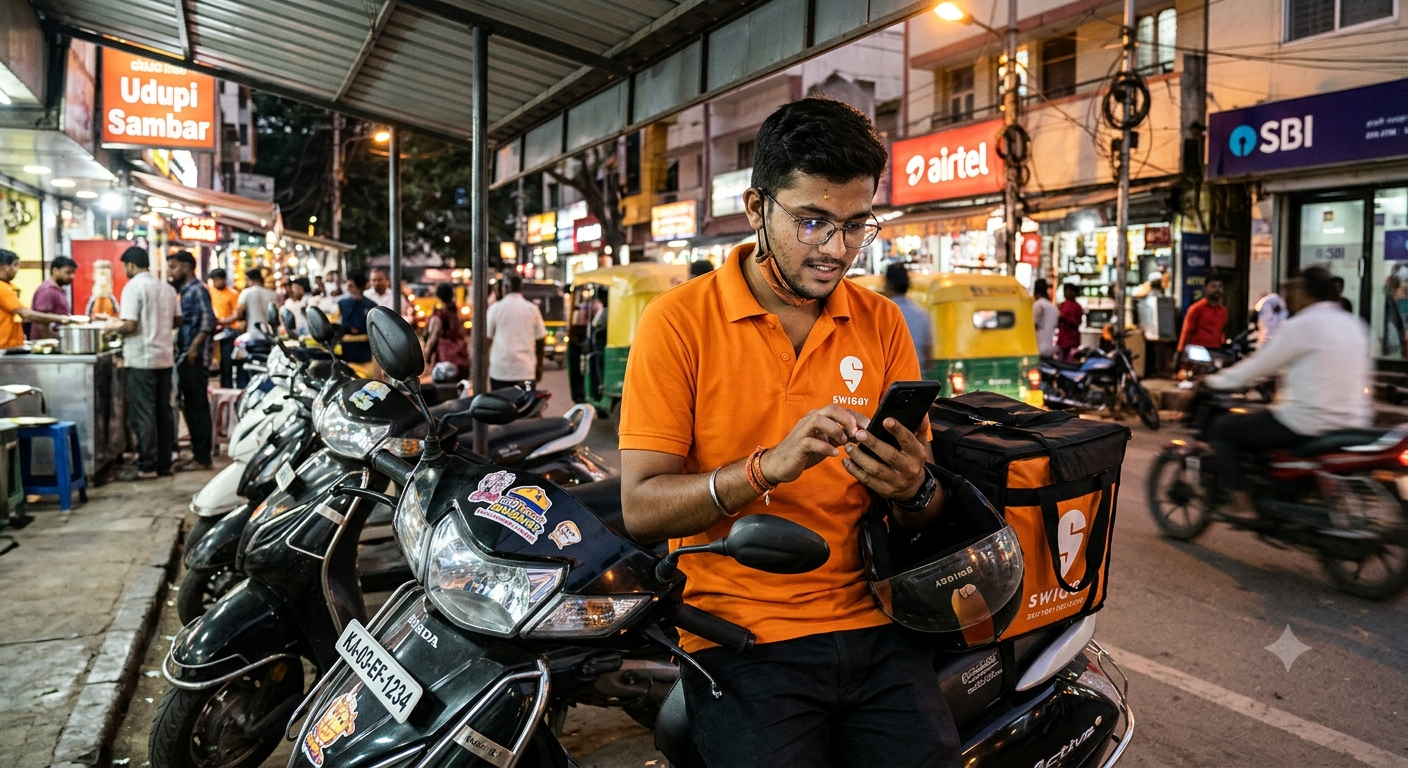
A personal loan for gig workers is generally an unsecured loan that eligible individuals working in the gig economy can use for personal financial needs without pledging property or other collateral.
Gig workers may not receive traditional salary slips. Instead, lenders may assess their income through bank statements, platform payment records, transaction history, and other acceptable financial documents.
These loans may help eligible borrowers manage expenses such as:
-
Medical emergencies and healthcare expenses.
-
Household repairs and maintenance.
-
Education-related expenses.
-
Vehicle servicing and repairs.
-
Unexpected personal expenses.
-
Other legitimate financial requirements.
Loan approval depends on the lender's policies, income assessment, credit profile, and repayment capacity.
Who Can Apply for a Personal Loan for Gig Workers?
Different categories of independent workers may explore personal loan options, subject to lender-specific eligibility criteria.
Common applicant categories include:
-
Delivery Partners: Individuals working with food delivery and e-commerce platforms.
-
Cab and Auto Drivers: Drivers earning through ride-hailing applications.
-
Freelance Professionals: Independent writers, designers, developers, and consultants.
-
Home Service Providers: Electricians, plumbers, cleaners, and repair professionals.
-
Online Service Providers: Individuals earning through digital platforms.
-
Independent Workers: People receiving income through temporary assignments and project-based work.
Personal Loan Eligibility for Gig Workers
Since gig workers may have irregular earnings, lenders generally evaluate their overall financial profile rather than relying only on a fixed monthly salary.
|
Eligibility Factor |
What Lenders May Check |
|---|---|
|
Age |
Minimum and maximum age requirements |
|
Income |
Average monthly or annual earnings |
|
Work Profile |
Nature and duration of gig work |
|
Bank Statements |
Regularity of income transactions |
|
Credit Score |
Previous borrowing and repayment history |
|
Existing EMIs |
Current financial commitments |
|
KYC |
Identity and address verification |
Eligibility conditions differ between lenders. Meeting the basic requirements does not guarantee loan approval.
Documents Required for Gig Workers
Gig workers may need alternative income documents because they might not have conventional salary slips or employment certificates.
Commonly requested documents include:
-
PAN Card for identity and financial verification.
-
Aadhaar Card or another accepted identity document.
-
Recent bank statements showing income transactions.
-
Payment statements from gig or delivery platforms, where accepted.
-
Income Tax Returns, if applicable.
-
Additional KYC and income documents requested by the lender.
Applicants should ensure that submitted documents are accurate and up to date.
How to Apply for a Personal Loan for Gig Workers
The application process may vary depending on the lender, but digital loan applications generally involve these steps.
Step 1: Compare Loan Options
Compare lenders based on interest rates, processing fees, loan tenure, and eligibility requirements.
Step 2: Check Your Credit Score
Review your credit report and identify any outstanding payments or reporting errors.
Step 3: Arrange Income Documents
Keep bank statements, platform payment records, and other accepted income proofs ready.
Step 4: Complete the Application
Fill in your personal, professional, and financial details through the lender's official website or authorised platform.
Step 5: Complete Digital KYC
Submit the required identity documents and complete the verification process.
Step 6: Review the Loan Offer
Check the Key Facts Statement (KFS), Annual Percentage Rate (APR), EMI, processing charges, and repayment conditions.
Step 7: Approval and Disbursement
If the application satisfies the lender's requirements, the loan may be approved and disbursed according to the agreed terms.
Benefits of Personal Loans for Gig Workers
A personal loan may provide financial flexibility to eligible gig workers.
-
No Collateral: Most personal loans do not require property or assets as security.
-
Flexible Usage: Borrowers can use funds for various eligible personal expenses.
-
Online Application: Digital platforms may allow applicants to complete the process online.
-
Alternative Income Verification: Certain lenders may accept platform earnings and bank statements instead of salary slips.
-
Structured Repayment: Fixed EMI schedules can help borrowers plan their finances.
Challenges Gig Workers Should Consider
Despite the benefits, gig workers should understand the potential challenges before applying.
-
Unpredictable Earnings: Income may change depending on customer demand and completed assignments.
-
Credit Score Requirements: A low credit score or limited credit history may affect loan eligibility.
-
Income Verification: Some lenders may require additional documents to verify earnings.
-
Repayment Pressure: Monthly EMIs can become difficult during periods of low income.
-
Additional Charges: Processing fees, late payment charges, and other applicable costs can increase borrowing expenses.
Tips to Improve Personal Loan Eligibility for Gig Workers
Gig workers can improve their financial profile by following these practical steps:
-
Maintain a good credit score through timely repayments.
-
Keep bank statements organised and maintain clear income records.
-
Save platform earnings statements and payment histories.
-
Avoid multiple loan applications within a short period.
-
Reduce existing debt wherever possible.
-
Maintain an emergency savings fund.
-
Choose a loan amount that matches your average income and repayment capacity.
Important Things to Check Before Applying
Before accepting a personal loan, evaluate the following factors:
|
Loan Component |
What to Understand |
|---|---|
|
Interest Rate |
Annual interest charged on the loan |
|
APR |
Overall annual cost of borrowing |
|
Processing Fee |
Charges for processing the application |
|
Loan Tenure |
Total repayment period |
|
EMI |
Monthly instalment amount |
|
Late Payment Charges |
Applicable penalties for delayed payments |
|
Prepayment Conditions |
Rules and applicable charges for early repayment |
|
KFS |
Complete loan terms and cost disclosures |
Always check the lender's credentials and confirm that the loan is offered by an RBI-regulated bank or NBFC. If an app acts as a lending service provider, verify the actual regulated lender behind the loan.
The RBI requires applicable loan disclosures, including the Key Facts Statement and APR, to help borrowers understand the cost and terms of digital loans.
Personal Loan vs Emergency Savings for Gig Workers
Gig workers should consider whether borrowing is necessary or whether an expense can be managed through existing savings.
|
Factor |
Personal Loan |
Emergency Savings |
|---|---|---|
|
Availability |
Subject to loan approval |
Available from existing funds |
|
Interest Cost |
Interest and applicable charges |
No borrowing interest |
|
Repayment |
Monthly EMIs |
No EMI obligation |
|
Credit Impact |
Repayment behaviour may affect credit |
No direct loan-related impact |
|
Best Use |
Larger expenses when affordable |
Unexpected expenses and emergencies |
Using savings can reduce borrowing costs, while a personal loan may be considered when savings are insufficient and repayment is manageable.
Conclusion
A personal loan for gig workers can provide financial support to delivery partners, drivers, independent service providers, and other individuals earning through the gig economy.
However, irregular income makes responsible borrowing especially important. Before applying, borrowers should evaluate their average earnings, credit history, existing EMIs, and monthly expenses.
Maintaining proper income records, comparing loan offers, and reviewing the KFS and APR can help gig workers make informed financial decisions.
Published on : 05th November
Published by : Yogendra
www.vizzve.com || www.vizzveservices.com
Follow us on social media: Facebook || Linkedin || Instagram
🛡 Powered by Vizzve Financial
RBI-Registered Loan Partner | 10 Lakh+ Customers | ₹600 Cr+ Disbursed