

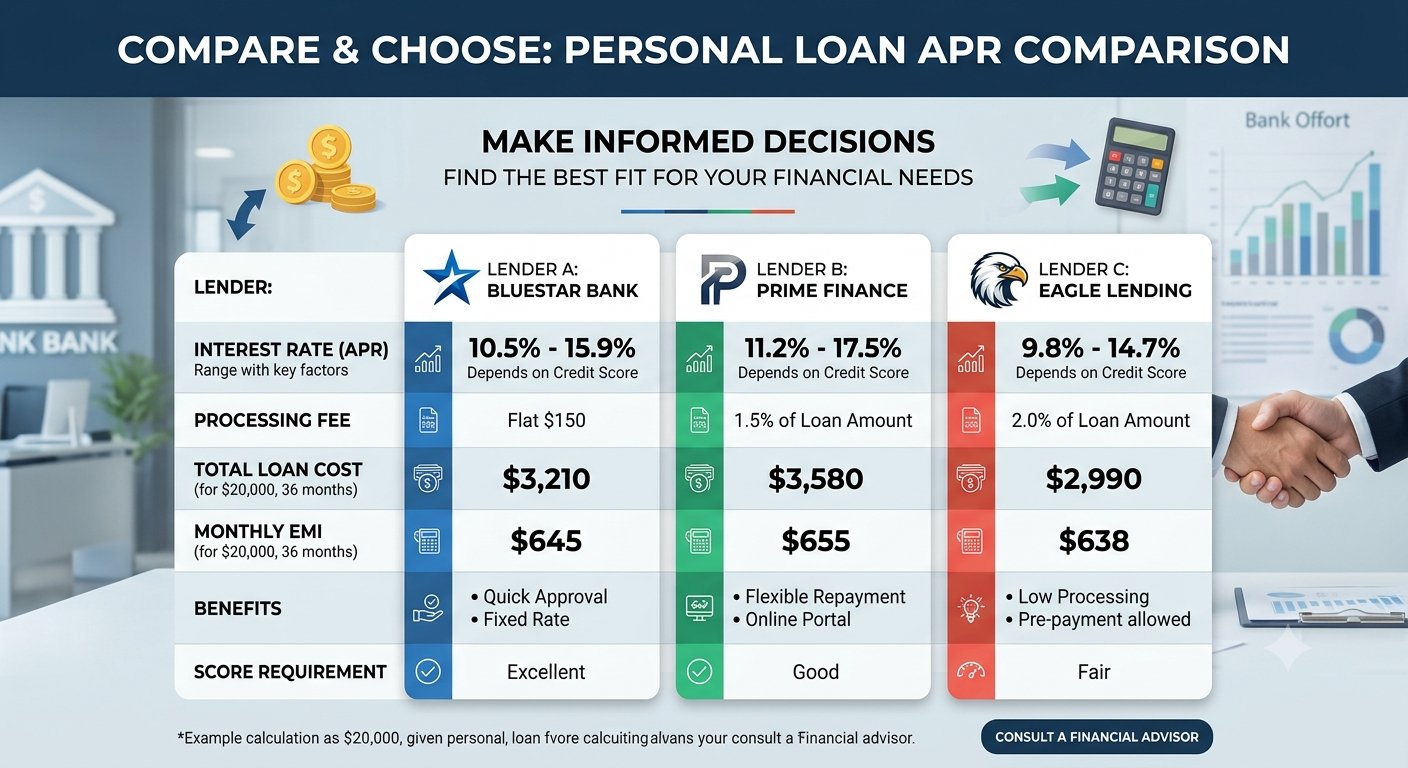
Managing monthly expenses, planning a major purchase, or handling an unexpected financial need can sometimes require additional funds. For working professionals, a personal loan for salaried employees can be one option to cover these expenses without providing collateral, subject to the lender's terms and eligibility criteria.
Salaried individuals may find personal loans useful because they can demonstrate regular income through salary slips, bank statements, and employment records. However, approval depends on several factors, including monthly salary, credit history, existing EMIs, employer details, and repayment capacity.
Understanding these factors before applying can help you choose a suitable loan and manage repayments responsibly.
What Is a Personal Loan for Salaried Employees?
A personal loan for salaried employees is an unsecured loan offered to eligible individuals who receive a regular salary from an employer. Unlike secured loans, it generally does not require an asset such as property or gold as collateral.
The loan amount, interest rate, repayment tenure, and processing fees vary by lender and applicant profile. Depending on the lender's policies, the funds may be used for medical expenses, home repairs, education-related costs, travel, or other legitimate personal needs.
Eligibility Criteria for Salaried Employees
Before approving a personal loan, lenders assess whether an applicant can repay the borrowed amount on time. Common eligibility factors include:
-
Age: The applicant must fall within the lender's permitted age range.
-
Monthly income: The salary should meet the lender's minimum income requirements.
-
Employment stability: The lender may consider job continuity and employment type.
-
Credit score: Credit history and repayment behaviour can influence approval and offered terms.
-
Existing financial obligations: Current EMIs and other debts affect repayment capacity.
-
KYC verification: Identity, address, and other required details must be verified.
Meeting the basic criteria does not guarantee approval. Each lender applies its own assessment process.
Documents Required for a Personal Loan
Salaried employees may be asked to provide the following documents during the application process:
-
PAN card and an accepted identity document.
-
Address proof, if required.
-
Recent salary slips.
-
Bank statements showing salary credits.
-
Employment details or proof of employment, if requested.
-
A completed loan application and consent for verification.
The exact documentation requirements vary between lenders. Some lenders also support digital verification to simplify the application process.
How to Apply for a Personal Loan as a Salaried Employee
Applying for a personal loan can involve the following steps:
-
Check eligibility: Review the lender's minimum income, age, and employment requirements.
-
Estimate your EMI: Calculate a monthly repayment amount that fits your budget.
-
Compare loan offers: Check interest rates, APR, processing fees, and repayment tenure.
-
Complete the application: Submit accurate personal, employment, and income details.
-
Complete KYC verification: Provide the required documents through the lender's authorised channel.
-
Review the KFS: Read the Key Facts Statement for the loan's costs, charges, and repayment schedule.
-
Accept the offer: Proceed only after reviewing the loan agreement and confirming that the repayments are affordable.
Approval and disbursement depend on the lender's verification and lending policies.
Factors That Affect Your Loan Amount and Interest Rate
The amount a salaried employee can borrow depends on more than monthly income. Lenders may consider:
-
Monthly take-home salary and income consistency.
-
Credit score and previous repayment history.
-
Existing EMIs and outstanding debts.
-
Employment stability and employer profile.
-
Requested loan amount and repayment tenure.
For example, an employee with a steady salary but several existing EMIs may qualify for a smaller loan than someone with a similar salary and fewer financial obligations.
Common Mistakes to Avoid
Before applying, avoid these mistakes:
-
Applying without checking eligibility requirements.
-
Submitting inaccurate salary or employment details.
-
Making multiple loan applications without comparing offers.
-
Ignoring processing fees and other applicable charges.
-
Choosing a long tenure without considering the total interest payable.
-
Borrowing more than your repayment capacity allows.
Always verify the lender and review the loan's complete terms before sharing documents or accepting an offer.
Is a Personal Loan Right for You?
A personal loan may be suitable when you need funds for a planned expense or an unexpected financial requirement and have a reliable repayment plan.
However, it is important to assess your essential monthly expenses, savings, current EMIs, and emergency needs before borrowing. If repayments would put pressure on your household budget, consider alternatives such as using available savings or reducing the amount you intend to borrow.
Conclusion
A personal loan for salaried employees can provide financial flexibility for eligible borrowers who need funds without providing collateral. Understanding eligibility criteria, required documents, interest rates, processing fees, and EMI obligations can make the borrowing process easier to navigate.
Before applying, compare suitable offers, check the KFS, and ensure that the monthly instalment fits comfortably within your income. Responsible borrowing begins with choosing a loan that meets your needs without putting your financial stability at risk.
Published on : 29th October 2026
Published by : Yogendra
www.vizzve.com || www.vizzveservices.com
Follow us on social media: Facebook || Linkedin || Instagram
🛡 Powered by Vizzve Financial
RBI-Registered Loan Partner | 10 Lakh+ Customers | ₹600 Cr+ Disbursed