

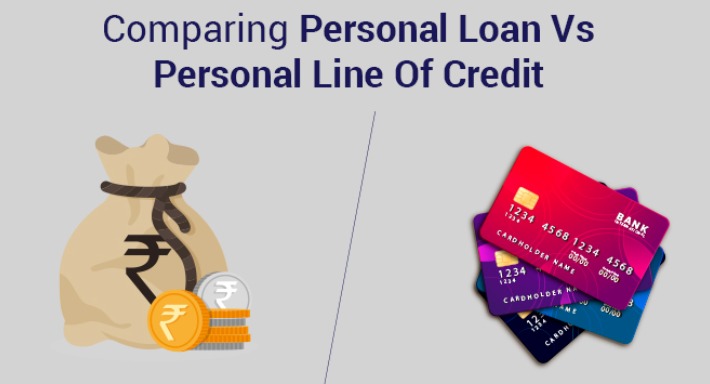
When you need extra funds, two popular borrowing options often come up — personal loans and personal lines of credit (PLOCs). While both can help meet short-term financial needs, they work very differently in terms of structure, repayment, and flexibility.
Choosing the right one depends on your financial goals, cash flow needs, and repayment capacity. Let’s break down the major differences and help you decide which suits you best.
What Is a Personal Loan?
A personal loan is a lump-sum loan you receive upfront and repay in fixed monthly installments over a specific period — usually 1 to 5 years.
💰 Disbursement: One-time payment
📅 Repayment: Fixed EMIs (equated monthly installments)
💡 Interest: Usually fixed rate
🧾 Best For: One-time expenses like home renovation, medical emergencies, or debt consolidation
Once you’ve repaid it, the loan account closes — and to borrow again, you must reapply.
What Is a Personal Line of Credit?
A personal line of credit (PLOC) works like a credit card, giving you access to a pre-approved borrowing limit. You can withdraw as needed, and interest is charged only on the amount used, not the entire limit.
🔄 Revolving credit: Borrow, repay, and borrow again
💳 Flexibility: Use funds anytime within your limit
📈 Interest: Usually variable rate
📅 Repayment: Pay interest on what you use, not the full amount
💡 Best For: Ongoing or unpredictable expenses, like tuition, repairs, or business cash flow
Key Differences Between Personal Loans and Lines of Credit
| Feature | Personal Loan | Personal Line of Credit |
|---|---|---|
| Disbursement | Lump-sum upfront | Withdraw as needed |
| Interest Rate | Usually fixed | Usually variable |
| Repayment | Fixed EMIs | Flexible payments |
| Interest Charged On | Full loan amount | Amount withdrawn |
| Reusability | One-time use | Revolving access |
| Approval Process | Once per loan | One-time approval for multiple withdrawals |
| Best For | One-time, planned expenses | Ongoing or uncertain expenses |
When to Choose a Personal Loan
Choose a personal loan if you:
✅ Need a specific lump-sum amount for a defined purpose
✅ Prefer fixed EMIs and predictable repayment
✅ Want to consolidate multiple high-interest debts into one
Example: You’re planning a home renovation costing ₹5 lakh — a personal loan ensures the full amount upfront with steady monthly repayments.
When to Choose a Personal Line of Credit
Opt for a line of credit if you:
✅ Have recurring or unpredictable financial needs
✅ Want flexibility to borrow smaller amounts as needed
✅ Prefer to pay interest only on what you use
Example: You’re a freelancer with irregular income and occasional expenses — a PLOC gives you access to funds anytime without reapplying for a new loan.
Pros and Cons at a Glance
Personal Loan – Pros:
Fixed rates and EMIs
Predictable repayment schedule
Lower temptation to overspend
Personal Loan – Cons:
Interest applies to the entire loan amount
No flexibility after disbursal
Line of Credit – Pros:
Pay interest only on what you borrow
Reusable credit limit
Ideal for fluctuating expenses
Line of Credit – Cons:
Variable interest rates can rise
Requires disciplined borrowing
May have annual or maintenance fees
Which Is Right for You?
The choice depends on your financial behavior and purpose:
Go for a personal loan if you value stability, structure, and predictable payments.
Choose a line of credit if you need flexibility and have fluctuating cash needs.
Both options can be beneficial if managed responsibly — just ensure you compare interest rates, fees, and eligibility before applying.
Conclusion
Whether you need a fixed loan for a big purchase or flexible funds for emergencies, understanding the difference between personal loans and lines of credit can help you make smarter financial choices.
Remember: Borrow only what you need and ensure timely repayment to maintain a healthy credit score and avoid unnecessary interest costs.
FAQs
Q1. Which is cheaper — a personal loan or a line of credit?
A. Personal loans often have fixed rates, while lines of credit may have variable rates that fluctuate. Costs depend on usage and rate structure.
Q2. Can I use a line of credit like a credit card?
A. Yes, it works similarly but usually has lower interest rates than credit cards and higher borrowing limits.
Q3. Does using a personal line of credit affect my credit score?
A. Yes, just like other credit products — responsible use can improve your score, while missed payments can hurt it.
Q4. Can I convert a personal loan into a line of credit?
A. No, they are different financial products. You must apply separately for each.
Q5. Which option is better for emergency funds?
A. A line of credit offers more flexibility for emergencies since you can borrow only what you need, when you need it.
Published on : 6th November
Published by : SMITA
www.vizzve.com || www.vizzveservices.com
Follow us on social media: Facebook || Linkedin || Instagram
🛡 Powered by Vizzve Financial
RBI-Registered Loan Partner | 10 Lakh+ Customers | ₹600 Cr+ Disbursed