

Pesticides To Pollutants: These Everyday Threats Are Destroying Your Healthy Gut Bacteria
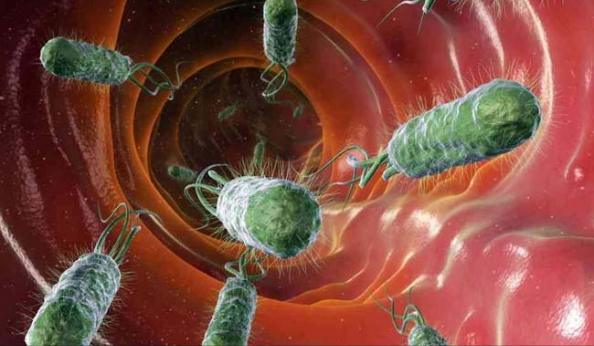
Your gut is home to trillions of microbes that regulate digestion, immunity, metabolism and even mental health. But modern lifestyles have introduced silent threats—pesticides, pollutants, chemical residues and heavily processed foods—that slowly destroy gut diversity.
Research shows that gut imbalance (dysbiosis) is now linked to obesity, heart disease, diabetes, anxiety and chronic inflammation. The biggest concern? Most people don’t even realise what is harming their gut.
Here’s a deep dive into the biggest invisible threats impacting gut bacteria today.
1. Pesticides in Food: The Biggest Hidden Enemy
Fruits, vegetables and grains often carry pesticide residues. These chemicals don’t just kill pests—they also harm beneficial microbes inside your gut.
How pesticides damage your gut:
Reduce microbial diversity
Kill essential probiotic strains
Trigger inflammation
Damage the gut lining
Interfere with nutrient absorption
Organic isn’t always accessible, but washing produce and choosing seasonal foods can lower pesticide intake.
2. Air Pollutants That Enter Through Breathing
Toxins in air—PM2.5, nitrogen oxides, heavy metals—don’t stop at your lungs. They travel through the bloodstream and reach the gut, causing microbial imbalance.
Effects of air pollutants:
Increase harmful bacteria
Reduce beneficial bacteria
Increase risk of IBS and gut inflammation
Trigger immune dysfunction
Urban residents face the highest risk due to constant exposure.
3. Processed Foods and Additives
Gut bacteria feed on fibre—but packaged foods contain preservatives, emulsifiers, artificial sweeteners and colourants that damage microbial health.
Common additives that harm the gut:
Sodium benzoate
Carrageenan
Polysorbate-80
Sucralose
Aspartame
These create long-lasting digestive disruption and alter microbial balance.
4. Plastic Chemicals and Microplastics
BPA, phthalates and microplastics leach from bottles, containers, and even water. These chemicals affect hormones, metabolism and gut flora.
Microplastics also carry pollutants that bind to the gut wall, increasing toxicity.
5. Antibiotics and Overmedication
Not all medications are harmful, but excessive use wipes out both harmful and beneficial bacteria.
Antibiotics can cause:
Sudden loss in microbial diversity
Digestive issues
Weak immunity
Long-term dysbiosis
6. Stress and Sleep Deprivation
Environmental toxins aren’t the only threat—psychological stress directly alters gut bacteria. The gut-brain axis means your microbiome responds to mental health as much as physical inputs.
How to Protect Your Gut From Everyday Toxins
1. Increase prebiotic and probiotic foods:
Curd, buttermilk, kefir, pickles, banana, garlic, onions, whole grains.
2. Choose fresh, seasonal produce.
3. Wash fruits and vegetables with baking soda or salt water.
4. Avoid storing hot food in plastic containers.
5. Reduce processed food consumption.
6. Practice stress-relief habits:
Yoga, meditation, morning sunlight, deep-breathing.
7. Drink clean, filtered water.
8. Incorporate fibre-rich foods daily.
FAQ
1. Can pesticides really alter gut bacteria?
Yes. Many chemical residues disrupt microbial diversity and damage the gut lining, affecting digestion and immunity.
2. Are pollutants linked to stomach issues?
Air pollutants and microplastics have been associated with gut inflammation, reduced healthy bacteria and increased harmful microbes.
3. Can gut bacteria recover naturally?
With a fibre-rich diet, probiotics, reduced processed foods and stress management, gut balance can improve significantly.
4. Do plastic containers affect gut health?
Yes. BPA and microplastics leach into food, affecting hormones and microbiome balance.
5. What is the quickest way to improve gut health?
Increase fibre, reduce chemical intake, hydrate well, eat fermented foods and maintain consistent sleep patterns.
source credit : Shreya Goswami
Published on : 27 th November
Published by : Reddy kumar
Credit: Written by Vizzve Finance News Desk
www.vizzve.com || www.vizzveservices.com
Follow us on social media: Facebook || Linkedin || Instagram
🛡 Powered by Vizzve Financial
RBI-Registered Loan Partner | 10 Lakh+ Customers | ₹600 Cr+ Disbursed