

In India, temples are more than places of worship — they are symbols of power, identity, resistance, and politics. Over centuries, sacred sites have become epicenters of political discourse, shaping empires, revolutions, and even national narratives.
This is a journey through temples that didn’t just touch hearts — they altered the course of Indian history.
1. Ram Janmabhoomi Temple – Ayodhya, Uttar Pradesh
✦ Political Impact:
At the heart of India’s most explosive religious-political dispute.
The demolition of Babri Masjid in 1992 triggered nationwide riots.
Ram Mandir movement became a political rallying point, redefining Indian electoral politics.
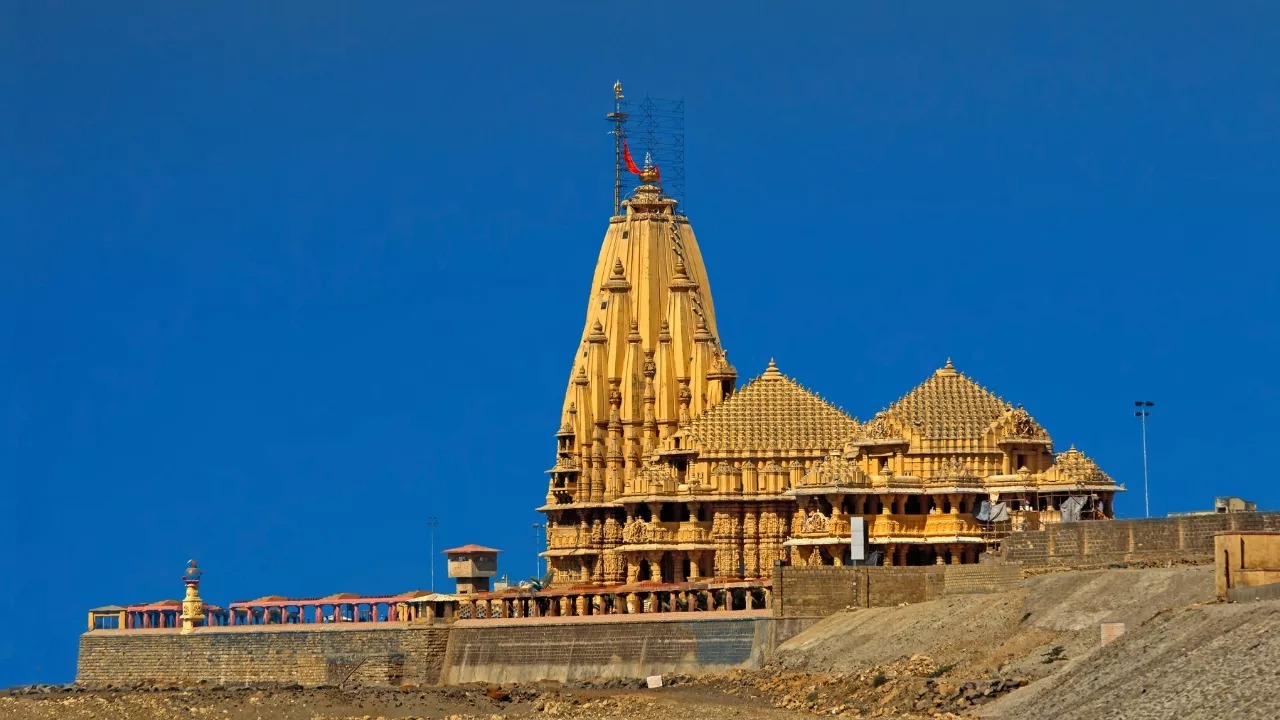
2. Somnath Temple – Gujarat
✦ Political Impact:
Repeatedly destroyed and rebuilt, symbolizing resilience.
Reconstructed in 1951 under the guidance of Sardar Vallabhbhai Patel.
Seen as a statement of cultural revival post-Independence.
3. Kashi Vishwanath Temple – Varanasi, Uttar Pradesh
✦ Political Impact:
Standing next to the Gyanvapi Mosque, it’s at the center of modern-day legal and political debates.
A flashpoint for communal tensions and court battles, influencing public discourse on secularism and heritage.
4. Golden Temple – Amritsar, Punjab
✦ Political Impact:
Site of Operation Blue Star (1984), which led to Indira Gandhi’s assassination.
Became a powerful symbol of Sikh identity and resistance.
Still central to political narratives in Punjab and the Sikh diaspora.
5. Padmanabhaswamy Temple – Kerala
✦ Political Impact:
Discovery of trillions in hidden treasure raised questions about temple wealth, ownership, and state control.
Supreme Court intervention spotlighted the tension between religious trusts and governance.
6. Jagannath Temple – Puri, Odisha
✦ Political Impact:
The Rath Yatra is not just religious but a show of public faith and unity.
Politicians often seek blessings or visibility during the festival — turning pilgrimage into soft power diplomacy.
7. Sabarimala Temple – Kerala
✦ Political Impact:
2018 Supreme Court verdict allowing women of menstruating age created nationwide protests and political polarization.
Sparked debates on tradition vs modern rights, with state machinery and activists involved.
Why Temples Influence Indian Politics
Mass Appeal: Temples gather millions — making them ideal for political visibility.
Identity Politics: Religion and caste identities often center around temple access and rituals.
Historical Memory: Temples symbolize heritage, resistance, or victimhood, depending on the narrative.
When Faith Walks With Power
Temples in India are not passive relics — they are living, breathing institutions that shape society, policy, and emotion. When faith meets politics, the outcome isn’t always harmony — but it always redefines history.
❓FAQs
Q1: Why is Ayodhya so politically significant?
The Ram Janmabhoomi movement became a major political issue, leading to nationwide unrest and shifting electoral dynamics.
Q2: Was the Somnath Temple politically motivated?
Yes. Its post-Independence reconstruction was a symbol of reclaiming cultural pride.
Q3: What happened at the Golden Temple in 1984?
Operation Blue Star aimed to remove armed militants but led to civilian deaths and political backlash.
Published on : 1st August
Published by : SMITA
www.vizzve.com || www.vizzveservices.com
Follow us on social media: Facebook || Linkedin || Instagram
🛡 Powered by Vizzve Financial
RBI-Registered Loan Partner | 10 Lakh+ Customers | ₹600 Cr+ Disbursed