

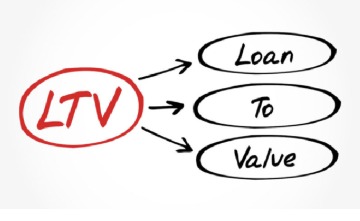
Buying a home is one of the biggest financial decisions in life. When applying for a home loan, one of the most important factors lenders consider is the Loan-to-Value (LTV) ratio. It determines not only how much you can borrow but also your interest rate, EMI, and even approval chances.
At Vizzve, we help borrowers clearly understand LTV so they can make informed choices about their home financing.
What Is Loan-to-Value (LTV) Ratio?
The LTV ratio represents the percentage of the property’s value that a lender is willing to finance through a home loan.
Formula:
LTV Ratio=Loan AmountProperty Value×100\text{LTV Ratio} = \frac{\text{Loan Amount}}{\text{Property Value}} \times 100LTV Ratio=Property ValueLoan Amount×100
For example: If the property costs ₹50 lakh and the lender approves a loan of ₹40 lakh, the LTV ratio is 80%.
How LTV Ratio Affects Your Home Loan
1. Loan Eligibility
A higher LTV ratio means you borrow a larger portion of the property’s cost, reducing the need for upfront payment. However, RBI guidelines cap LTV ratios:
Up to 90% for loans below ₹30 lakh
Up to 80% for loans ₹30–75 lakh
Up to 75% for loans above ₹75 lakh
2. Down Payment Requirement
The part of the property cost not covered by the loan becomes your down payment. A lower LTV means you need a bigger down payment, but it reduces your debt burden.
3. Interest Rates
Lenders may offer lower interest rates for lower LTV ratios since the risk is lower. Higher LTVs could mean slightly higher interest.
4. EMI and Repayment Burden
A higher LTV ratio increases your loan amount, leading to higher EMIs and overall repayment. Lower LTVs reduce EMIs and interest outgo.
5. Approval Chances
If your LTV is too high compared to RBI or lender norms, your loan application may be rejected or revised.
Tips to Manage LTV Smartly
Save for a larger down payment to reduce your LTV ratio.
Compare lenders, as some may offer more flexibility.
Improve your credit score—it can help negotiate better terms.
Use Vizzve’s calculators to check EMI scenarios for different LTV ratios.
How Vizzve Helps You
At Vizzve, we ensure transparency by:
Showing loan offers with clear LTV ratios.
Helping you calculate EMIs and total repayment.
Connecting you with lenders offering competitive interest rates based on your profile.
Bottom Line
The LTV ratio plays a crucial role in determining your home loan amount, down payment, and interest rate. By planning your LTV wisely, you can balance affordability with long-term savings. With Vizzve, you gain clarity and confidence while applying for your dream home loan.
FAQs:
Q1. What is the maximum LTV allowed in India?
As per RBI guidelines, up to 90% for loans under ₹30 lakh, 80% for ₹30–75 lakh, and 75% for loans above ₹75 lakh.
Q2. Does a lower LTV guarantee loan approval?
It improves your chances, but other factors like credit score and income are also considered.
Q3. Can I negotiate a higher LTV with my bank?
Not beyond RBI limits, but some lenders may be flexible within those limits.
Q4. How does LTV affect my EMI?
Higher LTV = bigger loan = higher EMI. Lower LTV = smaller loan = lower EMI.
Q5. Can I reduce my LTV after loan approval?
Yes, by increasing your down payment at the time of disbursement.
Published on : 30th September
Published by : SMITA
www.vizzve.com || www.vizzveservices.com
Follow us on social media: Facebook || Linkedin || Instagram
🛡 Powered by Vizzve Financial
RBI-Registered Loan Partner | 10 Lakh+ Customers | ₹600 Cr+ Disbursed
https://play.google.com/store/apps/details?id=com.vizzve_micro_seva&pcampaignid=web_share