

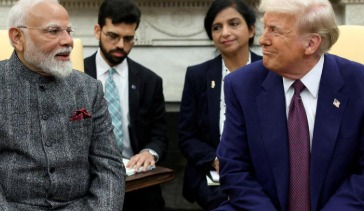
The US recently announced a steep hike in H-1B visa fees to $1,00,000, affecting Indian professionals, especially in the IT sector. In response, Prime Minister Narendra Modi made his first remark, highlighting India’s perspective on talent development, international policy, and strategic priorities.
This blog explores PM Modi’s comments, the implications for Indian IT professionals, and the broader economic and diplomatic context.
PM Modi’s First Remark
PM Modi reportedly said: “Our biggest enemy is…” emphasizing domestic capacity-building, innovation, and self-reliance as the key to navigating global policy changes.
The remark signals a focus on investing in talent, creating opportunities within India, and reducing over-reliance on foreign employment pathways.
While the H-1B fee hike poses challenges for Indian professionals seeking US opportunities, Modi’s comment reflects a longer-term vision of strengthening India’s skill ecosystem.
The US H-1B Fee Hike
The US government raised H-1B visa fees to $1,00,000, targeting high-salary professionals and specialized talent.
The increase affects Indian IT professionals, consultants, and multinational companies relying on H-1B visas for talent mobility.
Companies may reconsider hiring plans, transfer strategies, or salary structures to accommodate the new costs.
Implications for Indian IT & Professionals
Short-Term Challenges
Increased visa costs may reduce the number of Indians applying for H-1B roles.
Smaller IT firms and startups may face higher barriers to sending employees abroad.
Domestic Talent Development
Modi’s focus suggests boosting Skill India initiatives, digital literacy programs, and domestic employment opportunities.
Indian tech hubs may see increased investments in AI, cloud computing, and emerging technologies.
Corporate Strategy Adjustments
IT giants may adopt offshore-first models, strengthening domestic delivery centers.
Companies may focus on skill upgradation to ensure global competitiveness without relying solely on US migration.
Strategic Takeaways
Self-Reliance (Atmanirbhar Bharat): Emphasis on reducing dependency on foreign employment pathways.
Innovation & Upskilling: Encouraging Indian professionals to develop globally competitive skills within India.
Policy Resilience: Indian IT and professional sectors are expected to adapt quickly to international regulatory changes.
FAQs
Q1: How does the H-1B visa fee hike affect Indian professionals?
A1: It increases the cost of US employment, potentially reducing opportunities and prompting companies to adjust their hiring strategies.
Q2: What is PM Modi’s approach to this challenge?
A2: Focus on domestic skill development, innovation, and creating global-quality opportunities within India.
Q3: Will this hurt Indian IT companies?
A3: In the short term, it may affect US placements, but companies are likely to adapt via offshore delivery centers and skill enhancement programs.
Q4: Are there any long-term opportunities for India?
A4: Yes — this encourages investment in domestic talent, technology infrastructure, and the creation of globally competitive skill ecosystems.
Conclusion
PM Modi’s remark in the wake of the US H-1B visa fee hike underscores a strategic vision: India’s greatest strength lies in its people, talent, and self-reliance. While the fee hike poses challenges for Indian professionals abroad, it also accelerates domestic skill development, innovation, and opportunities for global competitiveness.
Published on : 26th September
Published by : SMITA
www.vizzve.com || www.vizzveservices.com
Follow us on social media: Facebook || Linkedin || Instagram
🛡 Powered by Vizzve Financial
RBI-Registered Loan Partner | 10 Lakh+ Customers | ₹600 Cr+ Disbursed
https://play.google.com/store/apps/details?id=com.vizzve_micro_seva&pcampaignid=web_share