

Introduction
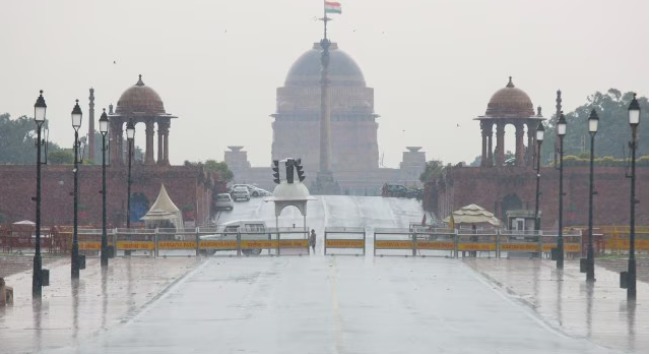
The relocation of the Prime Minister’s Office (PMO) marks a pivotal shift in India’s administrative geography. The PMO, currently housed in the historic South Block in New Delhi, is set to vacate the premises – paving the way for a large-scale conservation and retrofitting effort of the heritage building.
This move forms part of the broader Central Vista Redevelopment Project, where the South Block and its counterpart North Block will be transformed from administrative hubs into cultural and museum-use landmarks.
In this article we dig into what’s happening, why it matters, how the conservation will proceed, and what the implications are for heritage, administration and public access.
Why the Shift? The Case for Relocation
Modern Infrastructure & Space Constraints
South Block and North Block were designed by Herbert Baker in 1931 as part of Lutyens’ Delhi and have housed top-tier government offices for decades. Over time they faced limitations in terms of space, infrastructure, lighting, ventilation and modern amenities.
Heritage Building Conservation
Rather than continue administrative use indefinitely, the plan is to preserve and repurpose the buildings. The Central Vista website explains that after the ministries relocate, these Grade-I heritage buildings will be “appropriately retrofitted” for new purposes.
Symbolic Value
The move is also symbolic: shifting from colonial-era administrative buildings to modern purpose-built structures, aligning with a vision of “New India” infrastructure and governance.
What’s the Project Scope?
Relocation of PMO
Sources indicate the PMO will move to a newly constructed “Executive Enclave” or similarly named facility under the Central Vista plan.
Tender and Retrofitting of South Block
The Central Public Works Department (CPWD) has invited bids to carry out “comprehensive conservation, retrofitting and setting up of utility building in South Block” with an estimated cost of ₹298.52 crore and a completion period of 24 months.
The work includes:
Survey using ground-penetrating radar
Cleaning and treatment of original sandstone walls
Dismantling non-original additions (civil, electrical)
Waterproofing, restoration and reinforcement of original construction elements
Planning of Mechanical, Electrical and Plumbing (MEP) systems to balance modern functionality with heritage preservation.
Future Use
Both South Block and North Block are proposed to be converted into the “Yuge Yugeen Bharat National Museum”.
Why this Matters – Heritage, Governance & Public Value
Heritage Architecture
South Block is a Grade-I listed heritage structure built in 1931 as part of British India’s new capital complex. Preserving it safeguards architectural legacy, craftsmanship and the historical narrative of India’s governance evolution.
Efficient Governance
The relocation allows government departments to operate from modern facilities designed to match current standards—enhancing workflow, security, connectivity and occupant comfort.
Public Access & Museum Use
Turning South Block into a museum opens the building to public engagement, cultural display and national memory. This expands public value beyond administrative function.
Timeline & Next Steps
The bid document for South Block conservation was floated on October 25, 2025.
ministries of Finance, Home Affairs and Personnel have already moved out of North Block.
The PMO move is imminently expected, triggering the start of retrofitting activity.
The completion window for South Block work is 24 months from contract start.
Expected Impact & Considerations
Architectural Integrity: Strict quality and heritage compliance will be crucial. The tender emphasises “highest standards of quality and workmanship”.
Disruption Risk: Such major retrofitting may involve closure, relocation of staff, logistical challenges, and public access limitations.
Cost & Timeline: ₹298 crore is significant and timelines must be adhered to avoid cost-overruns or heritage compromises.
Symbolism & Narrative: The change carries a message about modern governance, heritage preservation and the evolving Indian state architecture.
Conclusion
The movement of the PMO out of South Block marks a watershed moment in India’s administrative and heritage architecture. With retrofitting and conservation of South Block now set to begin, the blend of modern governance needs and heritage value is front-and-centre. The next two years will shape how India redefines iconic structures for the public good while preserving their past for future generations.
FAQ Section
Q1: Why is the PMO moving out of South Block?
A: The building is heritage but outdated for modern administrative needs. The relocation enables advanced infrastructure, improves working conditions and aligns with the Central Vista plan.
Q2: What will happen to South Block after the move?
A: South Block is slated for comprehensive conservation and retrofitting, to be transformed into a museum (alongside North Block) under the Yuge Yugeen Bharat concept.
Q3: Who is carrying out the retrofitting work?
A: The CPWD has floated the tender for the conservation and retrofitting work with detailed specifications on heritage treatment and MEP systems.
Q4: How long will the retrofit take and what’s the budget?
A: Estimated cost is ₹298.52 crore and the work is to be completed in 24 months from the award of contract.
Q5: How will this affect public access to South Block?
A: Once retrofitted and accessible as a museum, public access is expected to increase significantly. In the interim, access might be restricted during conservation works.
Q6: Is the South Block heritage status being compromised?
A: The plan emphasises preservation of architectural features, minimal structural alteration and adherence to heritage standards.
Published on : 31th October
Published by : Selvi
www.vizzve.com || www.vizzveservices.com
Follow us on social media: Facebook || Linkedin || Instagram
🛡 Powered by Vizzve Financial
RBI-Registered Loan Partner | 10 Lakh+ Customers | ₹600 Cr+ Disbursed