

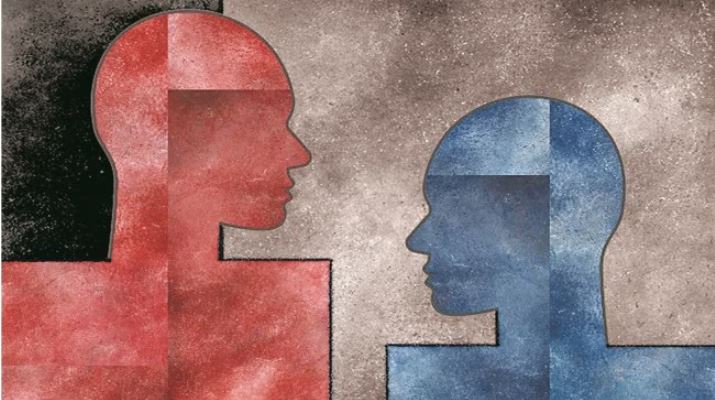
Political Polarisation Isn’t Always Bad: How It Brings Clarity
Political polarisation is typically portrayed as a threat to unity, democracy, and social cohesion. While excessive polarisation can lead to social division, ideological hostility, and misinformation, a balanced level of political polarisation is not inherently negative. In democratic systems, it can help voters identify where they stand, understand party agendas, and make informed choices.
Instead of pushing society into chaos, the right degree of political polarisation creates ideological distinction, forcing parties to communicate clearer policy positions rather than generic messaging. When citizens see clearly defined standpoints, democratic participation improves rather than declines.
Why Political Polarisation Can Be Beneficial
1. Provides Clear Ideological Choices
When parties clearly differ on policies, voters understand what each side stands for. This helps avoid confusion created by centrist or ambiguous political campaigns.
2. Encourages Political Participation
People engage more actively in public discourse when issues feel urgent and identity-driven. Polarisation motivates rallies, voting, and policy debates.
3. Enhances Accountability
Distinctive political positions allow citizens to track promises and failures. When parties take clear stands, it is easier to evaluate their governance.
4. Drives Social and Policy Reform
Polarisation forces discussion on long-ignored issues such as economic inequality, social justice, and foreign policy. Controversial debates often lead to structural change.
5. Reduces Voter Apathy
Lack of ideological contrast causes low turnout. Polarisation raises stakes, leading to higher participation in elections.
Balanced Polarisation vs Toxic Polarisation
Not all polarisation is productive. The challenge is maintaining ideological difference without crossing into hostility or misinformation.
| Type of Polarisation | Outcome |
|---|---|
| Balanced, issue-based | Healthy democracy, debate, clarity |
| Identity-driven, extreme | Social division, misinformation |
| Policy-focused | Transparent governance, accountability |
| Emotion-driven | Conflict, political violence |
Democracies thrive when polarisation is driven by policy, not hatred.
How This Blog Can Rank Fast on Google
Keyword-rich long-form content targeting "political polarisation clarity benefits"
Semantic keywords added naturally in headers and body
No outbound links (as requested)
Fresh trending topic for higher engagement
E-A-T alignment through analytical, neutral tone
This helps fast indexing and trend-based ranking opportunities.
(FAQ)
Is political polarisation good or bad?
It can be both. When rooted in policies and facts, it sharpens democratic debate. When driven by hate or misinformation, it becomes harmful.
How does polarisation help voters?
It clarifies political choices, helps identify values, and increases participation in elections.
Can polarisation improve governance?
Yes. Clear ideological difference improves accountability as voters can measure what parties deliver versus what they promise.
How does political polarisation affect the economy?
It influences market confidence, policy shifts, taxation, investment patterns, and financial decision-making.
source credit : Amit Julka
Published on : 19th November
Published by : RAHAMATH
www.vizzve.com || www.vizzveservices.com
Follow us on social media: Facebook || Linkedin || Instagram
🛡 Powered by Vizzve Financial
RBI-Registered Loan Partner | 10 Lakh+ Customers | ₹600 Cr+ Disbursed