

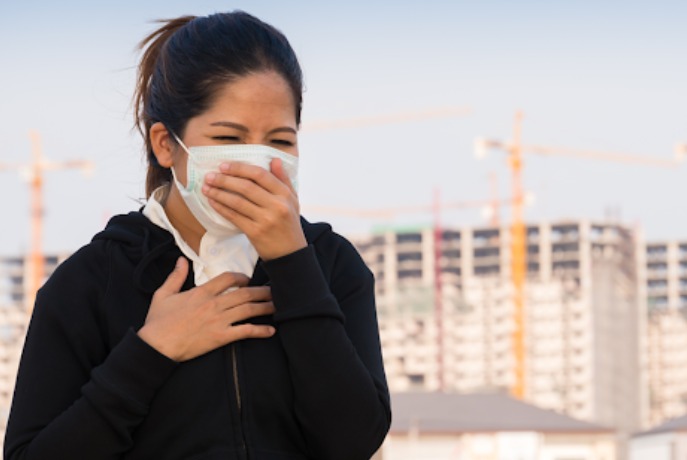
As winter sets in, respiratory hospitals see a sharp rise in patients with COPD (Chronic Obstructive Pulmonary Disease), breathlessness, and acute lung flare-ups. According to experts, the deadly combination of cold temperatures + air pollution acts as a double attack on already sensitive lungs.
Dr. Manish Garg explains that winter months are the worst period for COPD patients, often leading to hospitalizations, oxygen dependency, or severe breathing crises. But why do winters make COPD so much worse?
Let’s break down the reasons.
1. Pollution Levels Skyrocket in Winter
Winter traps pollutants close to the ground due to a phenomenon called temperature inversion.
This means:
Smoke
Dust
PM2.5 particles
Vehicle emissions
Industrial pollutants
all stay suspended in the air for longer.
Why this worsens COPD:
PM2.5 particles penetrate deep into the lungs, triggering:
Inflammation
Bronchial irritation
Worsening cough
Reduced lung capacity
Frequent flare-ups
COPD lungs cannot clear toxic particles efficiently, making symptoms severe.
2. Cold Air Narrows Airways
Breathing cold air causes the airway muscles to tighten, making air passage narrower.
For COPD patients, this results in:
Difficulty inhaling deeply
Breathlessness on minimal exertion
Chest tightness
Increased wheezing
Cold wind alone can trigger acute attacks.
3. Viral Infections Increase in Winter
Winter is the peak season for:
Flu
Common cold
RSV
Viral bronchitis
These infections are dangerous for COPD patients because they can rapidly worsen lung inflammation.
Effects include:
COPD exacerbations
Secondary pneumonia
High fever and cough
Sudden drop in oxygen levels
4. Smog Irritates Damaged Airways
COPD patients already have inflamed, narrowed airways.
Smog brings:
Nitrogen dioxide
Sulphur dioxide
Carbon monoxide
Particulate matter
These irritants cause immediate discomfort and can trigger hospital-level emergencies.
5. Reduced Lung Function in Winter
Studies show lung function naturally dips during winter due to:
Cold temperatures
Low humidity
Respiratory irritants
Indoor pollutants (smoke, incense, heaters)
For COPD patients, even a small drop is dangerous.
6. Low Activity Levels Increase Stiffness
Cold weather reduces physical activity.
Low movement leads to:
Poor lung expansion
Mucus buildup
Weak respiratory muscles
Higher chance of flare-ups
Deep breathing becomes difficult when the body is less active.
How COPD Patients Can Protect Themselves in Winter
✔ Wear N95 mask when outdoors
Filters PM2.5 particles
✔ Avoid peak pollution hours (morning & late night)
Pollution is lowest midday
✔ Keep rescue inhalers handy
Use as prescribed by a pulmonologist
✔ Steam inhalation for airway relief
Helps loosen mucus
✔ Get flu & pneumonia vaccinations
Reduces infection risk
✔ Maintain indoor air quality
Use air purifiers, avoid incense, room fresheners, or smoking indoors
✔ Keep warm
Cover nose and mouth to warm air before inhaling
✔ Follow prescribed pulmonary rehab exercises
Builds lung strength
❓ FAQs
1. Why does COPD worsen in winter?
Because cold air, pollution, and viral infections together trigger inflammation and airway narrowing.
2. Is air pollution more dangerous for COPD patients?
Yes, pollutants like PM2.5 and NO₂ can severely worsen symptoms.
3. Can wearing masks help?
N95 masks significantly reduce pollutant exposure.
4. Should COPD patients exercise in winter?
Yes — light indoor exercises help maintain lung function.
5. What emergency signs should patients watch for?
Sudden breathlessness, bluish lips, extreme fatigue, or drop in oxygen saturation.
Published on : 22nd November
Published by : SMITA
www.vizzve.com || www.vizzveservices.com
Follow us on social media: Facebook || Linkedin || Instagram
🛡 Powered by Vizzve Financial
RBI-Registered Loan Partner | 10 Lakh+ Customers | ₹600 Cr+ Disbursed
Source Credit: Written by: Dr. Manish Garg