

Content
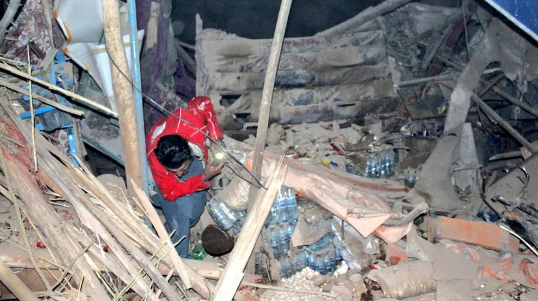
A powerful 6.3 magnitude earthquake struck parts of Afghanistan, causing widespread tremors and structural damage across several districts. Early reports indicate that at least seven individuals have lost their lives, with more people feared injured as rescue operations continue.
Location and Impact
The earthquake was felt across multiple regions, affecting residential areas and rural settlements. Many houses constructed with mud-brick structures suffered heavy damage. Emergency responders and local residents are currently searching through debris for survivors.
Rescue and Relief Efforts
Authorities have:
Dispatched emergency medical teams
Begun distributing essential supplies
Set up temporary shelters for displaced families
Local hospitals are receiving injured individuals, and medical staff are working to manage the surge of patients.
Humanitarian organizations in the region are coordinating to assess urgent needs, including food, water, blankets, and medical equipment.
Regional Vulnerability
Afghanistan lies in a high seismic risk zone, with frequent earthquakes due to tectonic fault lines. Limited infrastructure and ongoing economic challenges often make rescue and rehabilitation efforts slower and more difficult.
Government and Community Response
Government officials have requested support from international relief agencies. Community volunteers are actively participating in helping the affected families and providing emergency assistance.
FAQs
1. What was the magnitude of the earthquake in Afghanistan?The earthquake measured 6.3 on the Richter scale.
2. How many casualties have been reported so far?
At least seven deaths have been confirmed, with injuries and additional damage reports still being assessed.
3. Which areas were affected the most?
Rural settlements with mud-brick housing structures saw significant destruction.
4. Are rescue operations ongoing?
Yes, rescue and medical response teams are working to assist affected individuals.
5. Why is Afghanistan vulnerable to earthquakes?
The region lies on active tectonic plates, making it prone to frequent seismic activity.
Published on : 3rd November
Published by : Reddy kumar
www.vizzve.com || www.vizzveservices.com
Follow us on social media: Facebook || Linkedin || Instagram
🛡 Powered by Vizzve Financial
RBI-Registered Loan Partner | 10 Lakh+ Customers | ₹600 Cr+ Disburse