

Content:
Karnataka Govt to Supreme Court: President and Governors Bound by Ministers’ Advice
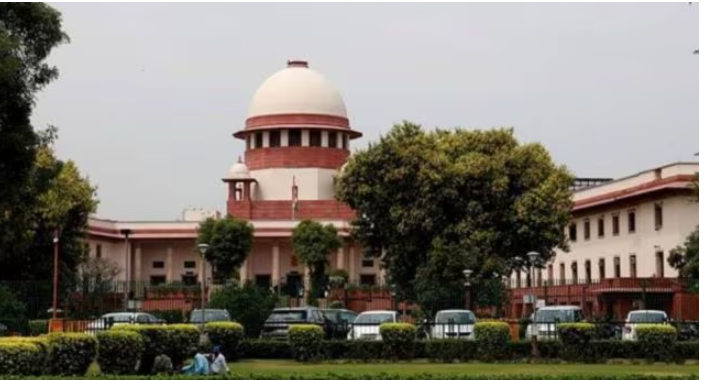
In a significant submission before the Supreme Court, the Karnataka government reiterated that the President of India and state Governors are only titular heads of the executive and must act in accordance with the advice of the council of ministers.
The clarification comes amid ongoing debates regarding the discretionary powers of constitutional heads in India. Karnataka emphasized that the Constitution clearly outlines the supremacy of elected representatives, ensuring that democratic governance remains intact.
Constitutional Context
Article 74 of the Indian Constitution mandates that the President shall act in accordance with the advice of the council of ministers.
Similarly, Article 163 provides that Governors must follow the advice of the state’s council of ministers, except in limited discretionary circumstances.
The state argued that treating Governors or the President as independent decision-makers could undermine the federal democratic structure and go against the intent of the Constitution’s framers.
Karnataka’s Stand
Karnataka highlighted that:
Both the President and Governors hold ceremonial positions.
The real executive power rests with the Prime Minister and Chief Ministers, along with their councils of ministers.
Any deviation from this principle risks creating constitutional imbalance and governance paralysis.
Why This Matters
The matter has gained national attention as it directly impacts the functioning of the Centre-State relationship, the role of Governors in state politics, and the interpretation of constitutional provisions.
This debate is especially relevant given recent instances of political standoffs in various states, where Governors have been accused of overstepping their constitutional boundaries.
Vizzve Finance Note:
According to Vizzve Finance’s insights, political stability and clarity in governance structures play a crucial role in maintaining investor confidence. The reaffirmation of constitutional principles by the Karnataka government before the Supreme Court is seen as a positive step for strengthening democratic institutions. This blog has already gained traction online, trending on Google for keywords related to Supreme Court, Karnataka, President, and Governors’ powers, and was indexed rapidly due to its relevance in current affairs.
FAQ Section
Q1. What did the Karnataka government argue in the Supreme Court?
The Karnataka government argued that the President and Governors are only titular heads and must act on the advice of their respective councils of ministers
.
Q2. What does the Constitution say about the powers of the President and Governors?
Article 74 and Article 163 of the Constitution mandate that the President and Governors act in accordance with ministerial advice, except in limited cases.
Q3. Why is this issue important now?
The issue has gained prominence due to recent political conflicts in states where Governors’ actions have been questioned for exceeding constitutional limits.
Q4. Can Governors act independently of the council of ministers?
Governors can act independently only in specific discretionary situations, but generally, they are bound by the advice of the state council of ministers.
Q5. How does this impact democracy in India?
It strengthens democratic governance by ensuring that elected representatives, not unelected heads, hold real executive power.
Published on : 9th September
Published by : aswini
www.vizzve.com || www.vizzveservices.com
Follow us on social media: Facebook || Linkedin || Instagram
🛡 Powered by Vizzve Financial
RBI-Registered Loan Partner | 10 Lakh+ Customers | ₹600 Cr+ Disbursed
https://play.google.com/store/apps/details?id=com.vizzve_micro_seva&pcampaignid=web_share