

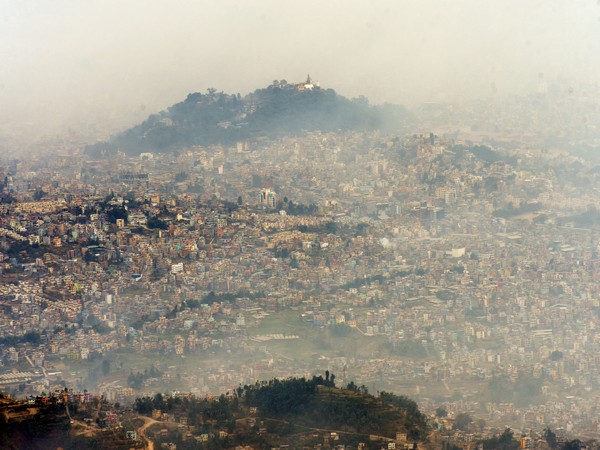
Air pollution is emerging as one of South Asia’s most pressing public health challenges. Nepal, in particular, experiences high levels of ambient and household air pollution, impacting millions of people and contributing to respiratory, cardiovascular, and other health conditions. Understanding the top risk factors is essential for policymakers, health professionals, and citizens seeking effective interventions.
1. Key Sources of Air Pollution in Nepal
Vehicle Emissions: Rapid urbanization has increased traffic density, leading to elevated particulate matter (PM2.5) and nitrogen oxide emissions.
Biomass Burning: Use of wood, crop residues, and dung for cooking and heating in rural areas contributes to indoor and outdoor air pollution.
Industrial Emissions: Factories and brick kilns release pollutants that affect nearby populations.
Construction & Dust: Urban expansion and road construction increase dust and particulate matter in cities like Kathmandu.
2. Health Impacts of Air Pollution
Respiratory Diseases: Asthma, chronic bronchitis, and other lung conditions are aggravated by prolonged exposure to PM2.5 and PM10.
Cardiovascular Risks: High pollution levels increase the risk of hypertension, heart attacks, and strokes.
Child Health: Children are particularly vulnerable, with higher rates of pneumonia and impaired lung development.
Mortality & Morbidity: Air pollution contributes to premature deaths and reduces life expectancy in heavily polluted urban and industrial areas.
3. Key Risk Factors in Nepal
Geography & Climate: Valleys and mountainous regions trap pollutants, leading to prolonged exposure.
Energy Poverty: Heavy reliance on biomass fuels indoors increases indoor air pollution.
Urbanization: Rapid growth without adequate emission controls escalates ambient pollution.
Limited Awareness & Regulation: Lack of strict monitoring and public awareness exacerbates health risks.
4. Mitigation Strategies
Transition to Clean Energy: Promoting LPG, biogas, and electric cooking solutions reduces indoor pollution.
Vehicle Emission Controls: Implementing stricter emission norms and promoting electric vehicles can lower urban air pollution.
Industrial Regulation: Monitoring emissions from factories and brick kilns ensures compliance with air quality standards.
Public Awareness Campaigns: Educating communities on the health risks of air pollution and safe practices can reduce exposure.
Urban Planning & Green Spaces: Expanding urban greenery and improving public transportation reduces pollutant accumulation.
FAQs
Q1: Which areas in Nepal are most affected by air pollution?
Urban centers like Kathmandu Valley, Pokhara, and industrial regions experience the highest levels of ambient and household pollution.
Q2: Who is most vulnerable to air pollution?
Children, elderly, and individuals with pre-existing respiratory or cardiovascular conditions are at the highest risk.
Q3: How does indoor pollution affect health?
Using biomass fuels indoors increases PM exposure, causing respiratory illnesses, eye irritation, and long-term health risks.
Q4: What government measures are effective?
Policies promoting clean energy adoption, vehicle emission norms, industrial regulation, and public health awareness have significant impact.
Q5: How can citizens protect themselves?
Wearing masks in polluted areas, using air purifiers indoors, and adopting clean cooking fuels can reduce exposure.
Published on : 11th September
Published by : SMITA
www.vizzve.com || www.vizzveservices.com
Follow us on social media: Facebook || Linkedin || Instagram
🛡 Powered by Vizzve Financial
RBI-Registered Loan Partner | 10 Lakh+ Customers | ₹600 Cr+ Disbursed
https://play.google.com/store/apps/details?id=com.vizzve_micro_seva&pcampaignid=web_share