

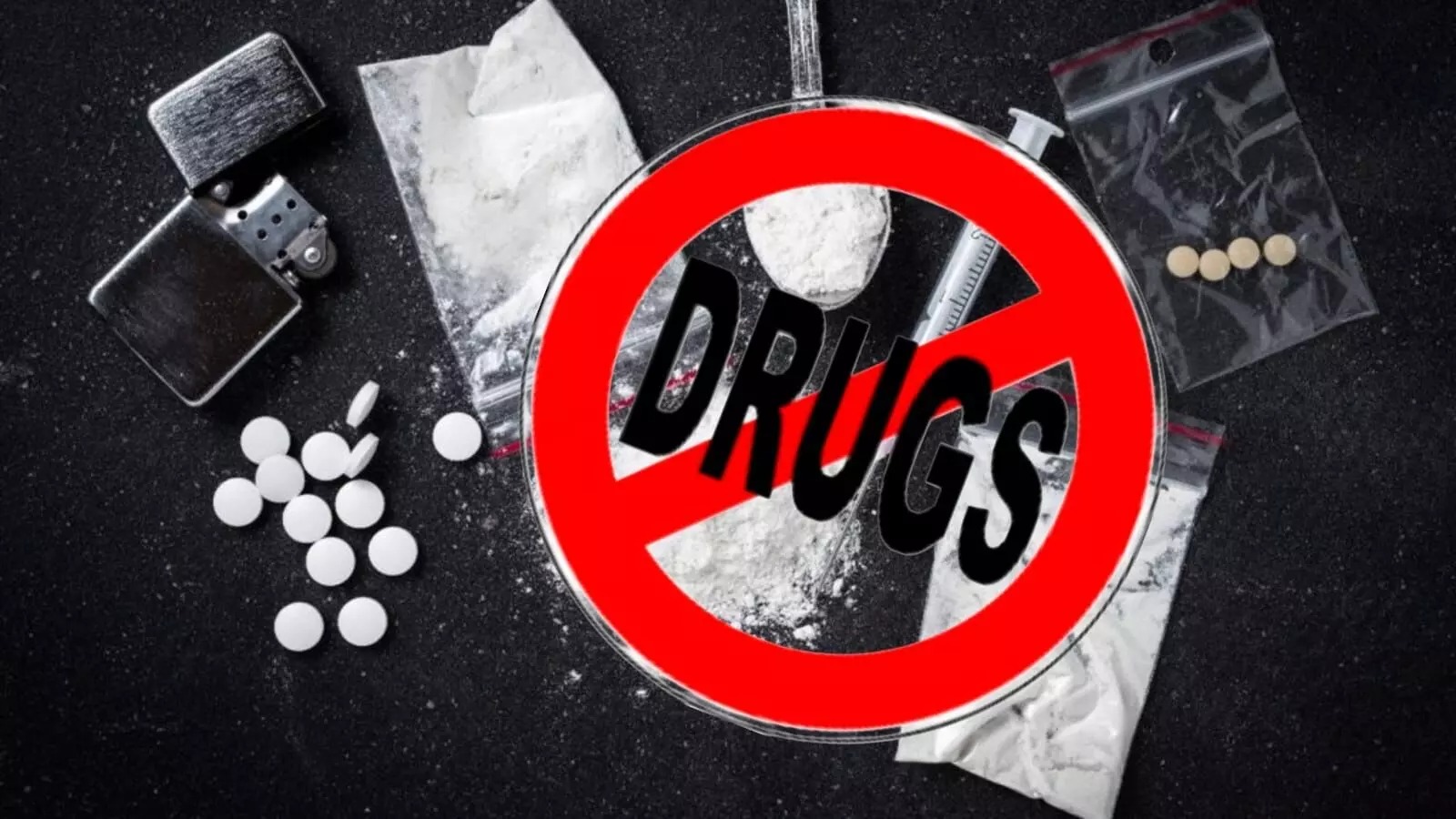
In a landmark step to curb the rising issue of drug abuse among teenagers, the Punjab state government has launched a drug-prevention curriculum across its government and private schools. This bold move, initiated under the Department of School Education, is set to make students more aware, responsible, and equipped to resist harmful substances.
📚 What Does the Curriculum Cover?
The curriculum will be implemented from Class 5 onwards, covering:
📖 Age-appropriate lessons on drug awareness and peer pressure
🎥 Use of interactive films, real-life testimonials, and stories
🧠 Sessions on mental health, emotional intelligence, and building resilience
🗣️ Workshops on communication, refusal skills, and help-seeking behavior
The aim is to create early intervention and prevent addiction before it begins.
🎯 Key Objectives
Prevent initiation of drug use among adolescents
Foster a supportive school environment
Encourage open dialogue between teachers, parents, and students
Promote community involvement with NGOs and law enforcement
This curriculum is aligned with the National Action Plan for Drug Demand Reduction (NAPDDR) and Punjab’s ongoing anti-narcotics strategy.
🏫 How Schools Are Preparing
Teachers are being trained as first responders and mentors
Dedicated monthly awareness sessions across all grades
Tie-ups with local health departments and rehabilitation centers for real-world insights
A digital dashboard is being created to track student participation and school progress
💬 State Officials Speak
Punjab’s Education Minister stated:
“This is not just about lessons; it’s about saving lives. Schools are now the frontlines in our fight against drugs.”
The program is being closely monitored by the Punjab State Commission for Protection of Child Rights (PSCPCR).
❓FAQs
1. What is the purpose of this new curriculum?
To educate students on the dangers of drug use and empower them to make informed, healthy choices.
2. From which class is the curriculum being introduced?
The curriculum starts from Class 5 and continues through higher secondary classes.
3. Will private schools also adopt this program?
Yes, the curriculum is being introduced in both government and private schools across Punjab.
4. Are teachers trained for this program?
Yes. Teachers are being provided with specialized training and toolkits for effective delivery.
5. How does this help long-term?
It builds awareness, resistance skills, and a culture of openness, reducing chances of drug initiation and dependency.
Published on : 6th August
Published by : SMITA
www.vizzve.com || www.vizzveservices.com
Follow us on social media: Facebook || Linkedin || Instagram
🛡 Powered by Vizzve Financial
RBI-Registered Loan Partner | 10 Lakh+ Customers | ₹600 Cr+ Disbursed