

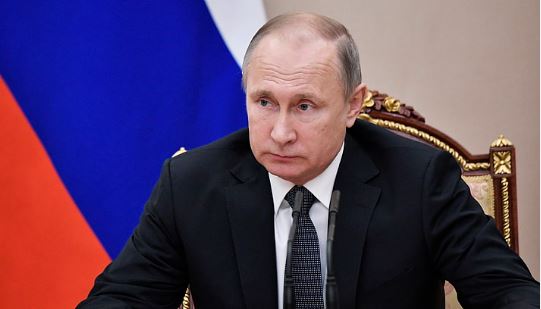
In a significant geopolitical development, Russian President Vladimir Putin has proposed resuming direct peace negotiations with Ukraine “without preconditions,” identifying Istanbul as a suitable venue. This move, if realized, could signal a potential shift in the prolonged and deadly conflict that has gripped Eastern Europe since 2022.
Renewed Diplomatic Overture Amid Stalemate
The Russian leader’s call for unconditional dialogue comes amid rising global pressure to find a diplomatic resolution to the war. During a recent public appearance, Putin emphasized Russia’s willingness to return to the negotiating table, with Turkey again offering to mediate peace discussions.
“We are ready to sit down and talk without any preconditions,” Putin said, referencing past talks held in Istanbul in 2022 before they collapsed.
This development follows months of stagnant battlefield progress and increasing humanitarian costs, with both sides experiencing high casualties and strained resources.
Why Istanbul? Strategic Neutral Ground
Turkey has maintained strong relations with both Russia and Ukraine, making it a logical host for negotiations. The 2022 Istanbul talks briefly raised hopes for peace, though they ultimately failed amid mutual distrust and ongoing military escalation.
Turkish President Recep Tayyip Erdoğan has consistently promoted a diplomatic path and reaffirmed Turkey’s readiness to mediate again if both parties agree.
Ukraine’s Response: Skepticism and Conditions
Ukrainian officials have responded with caution. President Volodymyr Zelenskyy’s administration has consistently stated that talks are only possible once Russian forces withdraw from occupied territories. Kyiv remains skeptical of Putin’s true intentions, citing previous failed negotiations and ongoing missile strikes on civilian infrastructure.
Despite this, some analysts believe that the growing international fatigue with the war could pressure both parties to reconsider a diplomatic off-ramp.
International Reactions to Putin’s Proposal
Global reactions to Putin’s peace overture have been mixed:
-
United States & NATO: Officials remain wary, viewing the offer as a potential tactic to buy time.
-
European Union: Some members welcome the proposal but stress the need for genuine commitment.
-
China and India: Both nations have long advocated for peace talks and are likely to support renewed dialogue.
What’s Next? A Test for Diplomacy in 2025
The path to renewed talks will depend on Ukraine’s willingness to engage and Russia’s ability to show credible signs of de-escalation. While the idea of peace without preconditions seems appealing on the surface, trust deficits and military realities may delay any concrete outcomes.
However, experts note that even symbolic talks can pave the way for ceasefires, humanitarian corridors, or broader political solutions in the long term.
FAQs: Putin’s Proposal for Peace Talks with Ukraine
1. Why is Putin proposing talks without preconditions now?
The war has entered a phase of attrition with high costs. Putin may be seeking to regain diplomatic ground and reduce international pressure.
2. Has Ukraine agreed to the new peace talks?
As of now, Ukraine has not formally accepted the offer and maintains that talks can only begin once Russia withdraws from occupied areas.
3. Why is Istanbul being considered again?
Istanbul hosted peace talks in 2022 and is seen as neutral ground with Turkey acting as a mediator.
4. Could this lead to a ceasefire?
Possibly, but only if both sides show good faith. The proposal is a first step, not a final agreement.
5. What role will international actors play?
NATO, the EU, the UN, and countries like Turkey and China may help facilitate or monitor the negotiations.
Published on : May-11-25 By : Abhishek Rana