

As water shortages increase in Indian cities, rainwater harvesting (RWH) has gone from an eco-trend to a basic survival strategy—especially in apartments and gated communities.
But here’s the best part: It’s not just good for the planet — it can reduce your water bill by 40–60%, and even boost property value.
In this guide, we’ll show you:
✅ What RWH is
✅ How it works in apartments
✅ Financial & environmental benefits
✅ Budgeting tips with Vizzve
What Is Rainwater Harvesting?
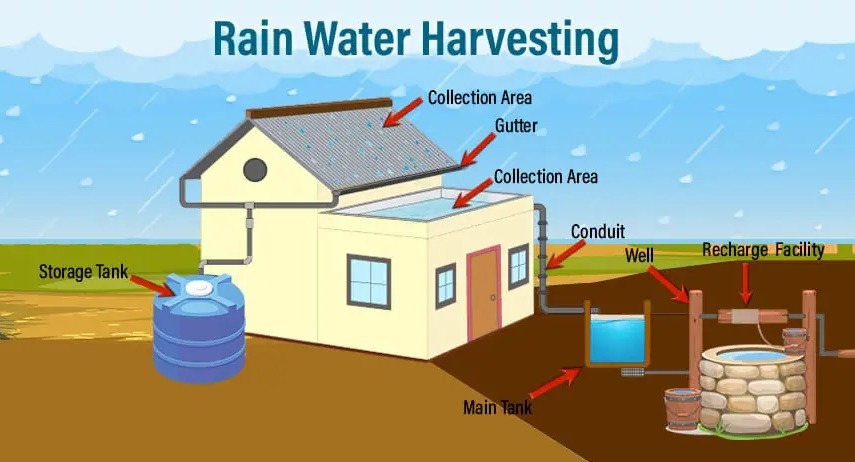
Rainwater harvesting is the process of collecting and storing rain from rooftops or other surfaces, instead of letting it drain away.
For apartments, this water can be used for:
Toilet flushing
Gardening
Washing vehicles
Recharge of borewells or groundwater
It’s clean, free, and sustainable.
How to Set Up Rainwater Harvesting in Apartments
1. Catchment Area
Usually the terrace or rooftop
Rainfall is directed through pipelines
2. Filtration System
Filters leaves, dust, debris
Use a simple gravel + sand + charcoal filter
3. Storage or Recharge
Store in tanks (for reuse)
Or divert to recharge pits (to boost groundwater)
4. Distribution
Connect stored water to flush tanks, garden pipes, etc.
👉 Pro Tip: Most apartments already have plumbing that can be adapted to RWH with minor changes.
How Much Does It Cost?
| Component | Cost (Approx.) |
|---|---|
| Rooftop plumbing | ₹5,000–10,000 |
| Basic filtration unit | ₹3,000–6,000 |
| Storage tanks | ₹7,000–15,000 |
| Recharge pit setup | ₹10,000–20,000 |
Total: ₹25,000–50,000 per building (can be split among all residents)
Benefits of RWH in Apartments
✅ Save up to 60% on water bills
✅ Lower tanker dependency during summers
✅ Recharge local water table (long-term gain)
✅ Reduced urban flooding
✅ Increased property value & green rating
Vizzve Insight: Finance Tips for RWH
Rainwater harvesting is a low-cost, high-return investment.
With Vizzve, you can:
📊 Plan your apartment’s RWH budget with ease
👥 Use our Group Expense Splitter for societies
💸 Apply for Green Upgrade Loans (low interest) for eco projects
📱 Track water savings = money saved over time
🏠 Just like SIPs grow your wealth, RWH grows your water wealth over time!
FAQs – Rainwater Harvesting in Apartments
1. Is RWH mandatory in India?
In many cities like Chennai, Bengaluru, and Delhi—yes, especially for large buildings.
2. Can my society afford this setup?
Yes. With shared costs, it’s very affordable. Tools like Vizzve’s budget planner help break it down per flat.
3. How much rainwater can we actually collect?
A 1000 sq.ft. roof can harvest 60,000+ litres/year, depending on rainfall.
4. Will stored water smell or breed mosquitoes?
Not if filtered and covered properly. Ensure good maintenance and sealed tanks.
Published on : 4th August
Published by : SMITA
www.vizzve.com || www.vizzveservices.com
Follow us on social media: Facebook || Linkedin || Instagram
🛡 Powered by Vizzve Financial
RBI-Registered Loan Partner | 10 Lakh+ Customers | ₹600 Cr+ Disbursed