

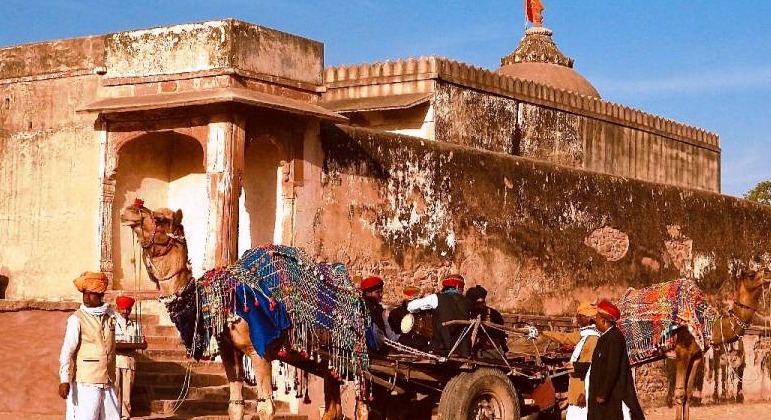
Rajasthan, the land of deserts, royal forts, and the majestic camel, has recently made a landmark decision: lifting the 11-year-old ban on interstate camel transport. The ban, in place since 2014, had restricted the movement of camels beyond the state, affecting breeders, traders, and the tourism industry.
This move is expected to revive Rajasthan’s camel trade, boost tourism, and support communities dependent on camel rearing.
Background: Why Was the Ban Imposed?
Animal Welfare Concerns: The state government had cited stress and health risks to camels during long interstate travel.
Preservation of Breeds: Protecting local breeds and controlling disease spread were among the priorities.
Regulatory Oversight: Interstate transport posed challenges in monitoring camel health and preventing illegal trade.
While well-intentioned, the ban inadvertently affected livelihoods, especially camel herders, traders, and desert safari operators.
Impact of the Ban Over 11 Years
Economic Loss for Camel Herders: Limited market access led to reduced income.
Tourism Challenges: Rajasthan’s famous camel safaris and fairs faced fewer animals for events and attractions.
Interstate Trade Hurdles: Buyers from Gujarat, Haryana, and other states had restricted access.
Camel Breeding Decline: With fewer buyers, incentives to breed quality camels decreased.
Lifting the Ban: What Changes?
The Rajasthan government has now approved regulated interstate transport with specific conditions:
Health Certificates: Camels must have veterinary clearance before interstate travel.
Transport Guidelines: Proper vehicles, hydration, and rest stops are mandated.
Permit System: Traders must obtain permits for legal interstate movement.
Monitoring: State authorities will track compliance to ensure welfare standards.
This structured approach aims to balance trade, tourism, and animal welfare.
Implications for Rajasthan and Beyond
Economic Revival: Camel breeders can access larger markets, increasing income and investments in breeding.
Tourism Boost: Desert safaris, cultural fairs, and camel festivals may see higher participation.
Cultural Preservation: Rajasthan’s camel heritage, including breeds like Bikaneri and Jaisalmeri camels, will gain recognition.
Interstate Collaboration: Neighboring states like Gujarat, Haryana, and Maharashtra can engage in legal trade partnerships.
Camel Fairs & Cultural Significance
Rajasthan is famous for camel fairs like:
Bikaner Camel Festival – A spectacle of decorated camels, races, and competitions.
Pushkar Fair – Known for trading camels, cattle, and traditional performances.
The lifting of the ban will enhance participation from buyers and tourists nationwide, revitalizing these age-old cultural events.
FAQs
Q1: Why was the camel transport ban imposed in Rajasthan?
A: The ban was imposed in 2014 primarily for animal welfare, disease control, and breed preservation concerns.
Q2: How will lifting the ban impact camel breeders?
A: Breeders can now sell camels interstate, access larger markets, and potentially increase income.
Q3: Will camel welfare be compromised?
A: No. The government has mandated health certificates, proper transport conditions, and permits to ensure animal safety.
Q4: Which states will benefit from interstate camel trade?
A: Neighboring states like Gujarat, Haryana, Maharashtra, and others can legally trade camels with Rajasthan.
Q5: How will tourism be affected?
A: Desert safaris, camel festivals, and cultural events will see more camels available, attracting higher tourist participation.
Published on : 2nd October
Published by : SMITA
www.vizzve.com || www.vizzveservices.com
Follow us on social media: Facebook || Linkedin || Instagram
🛡 Powered by Vizzve Financial
RBI-Registered Loan Partner | 10 Lakh+ Customers | ₹600 Cr+ Disbursed
https://play.google.com/store/apps/details?id=com.vizzve_micro_seva&pcampaignid=web_share