

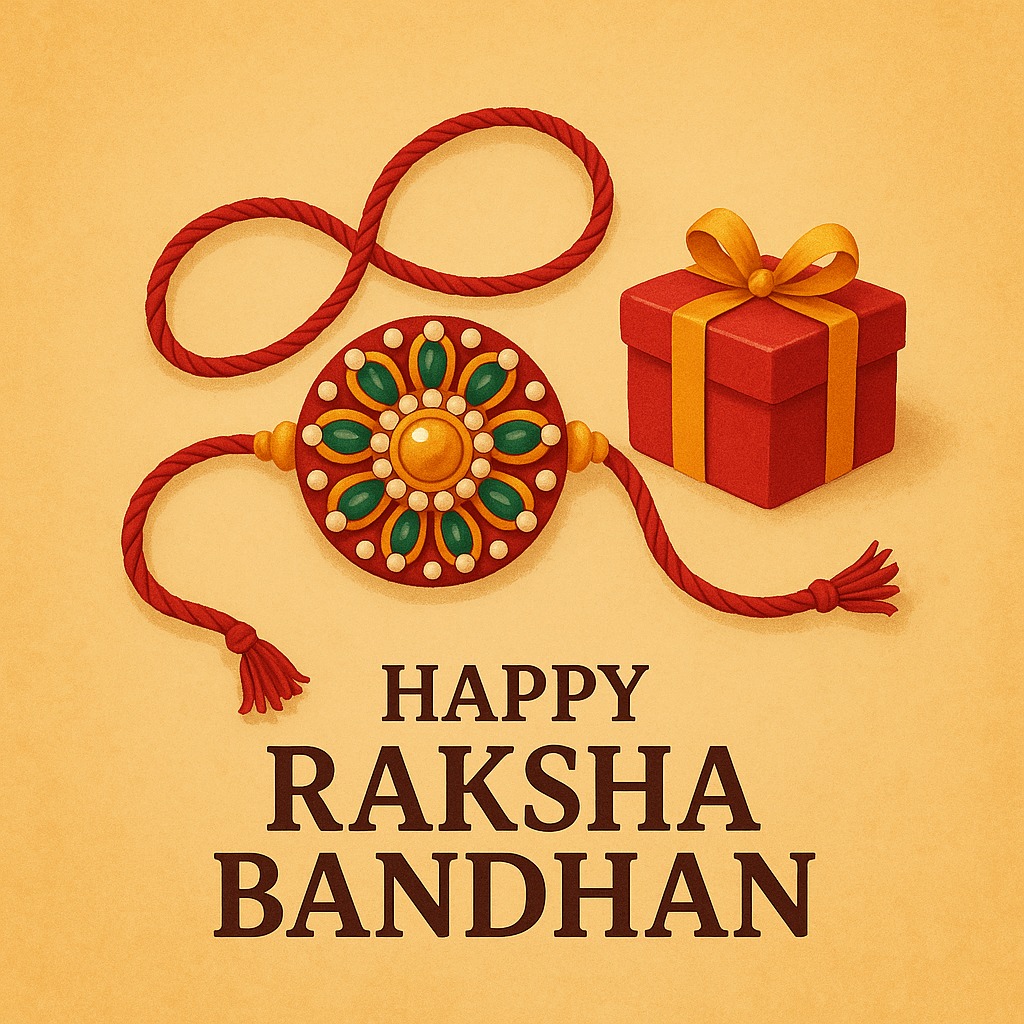
Raksha Bandhan, one of India’s most cherished festivals, symbolizes the sacred bond between brothers and sisters. Celebrated with great enthusiasm every year, this festival is a beautiful reminder of love, protection, and lifelong commitment within families. The term Raksha Bandhan literally means “the bond of protection,” where sisters tie a decorative thread called Rakhi around their brothers’ wrists, praying for their well-being, while brothers vow to protect their sisters.
Historical and Cultural Significance
Raksha Bandhan has roots in ancient Indian traditions and mythology. Stories from epics like the Mahabharata and Ramayana highlight the importance of sibling bonds. One popular legend tells of Lord Krishna being saved by Draupadi, who tied a strip of cloth on his wrist—symbolizing protection and trust.
Across India, the festival transcends religious and regional boundaries, celebrated by Hindus, Sikhs, Jains, and even some Muslim communities, reflecting its universal message of love and duty.
How Raksha Bandhan is Celebrated
The festivities usually take place in the month of Shravan (July-August). Sisters prepare beautiful Rakhis—colorful threads or bracelets—often adorned with beads and decorations. On Raksha Bandhan day:
Sisters perform an aarti (a ritual prayer) for their brothers.
The Rakhi is tied around the brother’s wrist.
Brothers give gifts or money as a token of love and promise of protection.
Families gather to share sweets and enjoy special meals.
In recent years, Raksha Bandhan has also evolved into a celebration of friendship and respect beyond blood relations, with friends and cousins tying Rakhis to each other.
Modern Trends in Raksha Bandhan
With changing times, the festival has adapted to modern lifestyles:
Online Rakhi Shopping: E-commerce platforms allow people to send Rakhis and gifts across cities and countries.
Social Media Greetings: Digital cards and messages flood social media platforms celebrating sibling love.
Women Empowerment: Some campaigns focus on empowering sisters, encouraging brothers to support women’s education and rights.
Free Travel for Women: As highlighted recently, some states offer free travel for women on Raksha Bandhan as a gesture of empowerment and celebration.
Why Raksha Bandhan is Relevant Today
In a fast-paced world, Raksha Bandhan reminds us to cherish family ties, nurture relationships, and express gratitude openly. It reinforces the values of trust, protection, and unconditional love, which remain relevant across generations and cultures.
Conclusion
Raksha Bandhan is more than a festival—it’s an enduring bond that celebrates the essence of siblinghood. Whether through the traditional Rakhi thread or new-age gestures of love, this festival continues to unite hearts and spread joy across India and the world.
FAQs
Q1: What is the significance of Raksha Bandhan?
A1: Raksha Bandhan celebrates the bond of protection and love between brothers and sisters, symbolized by tying a Rakhi thread.
Q2: When is Raksha Bandhan celebrated?
A2: Raksha Bandhan is usually celebrated in the month of Shravan (July or August) according to the Hindu calendar.
Q3: Can Raksha Bandhan be celebrated between friends?
A3: Yes, many people tie Rakhis to friends and cousins as a symbol of love and protection beyond biological siblings.
Q4: How has Raksha Bandhan evolved in modern times?
A4: Today, Raksha Bandhan includes online Rakhi shopping, digital greetings, and initiatives like free travel for women on the festival day.
Q5: What are common gifts given on Raksha Bandhan?
A5: Gifts range from sweets and chocolates to clothes, gadgets, and personalized items reflecting love and appreciation.
Published on : 9th August
Published by : SMITA
www.vizzve.com || www.vizzveservices.com
Follow us on social media: Facebook || Linkedin || Instagram
🛡 Powered by Vizzve Financial
RBI-Registered Loan Partner | 10 Lakh+ Customers | ₹600 Cr+ Disbursed