

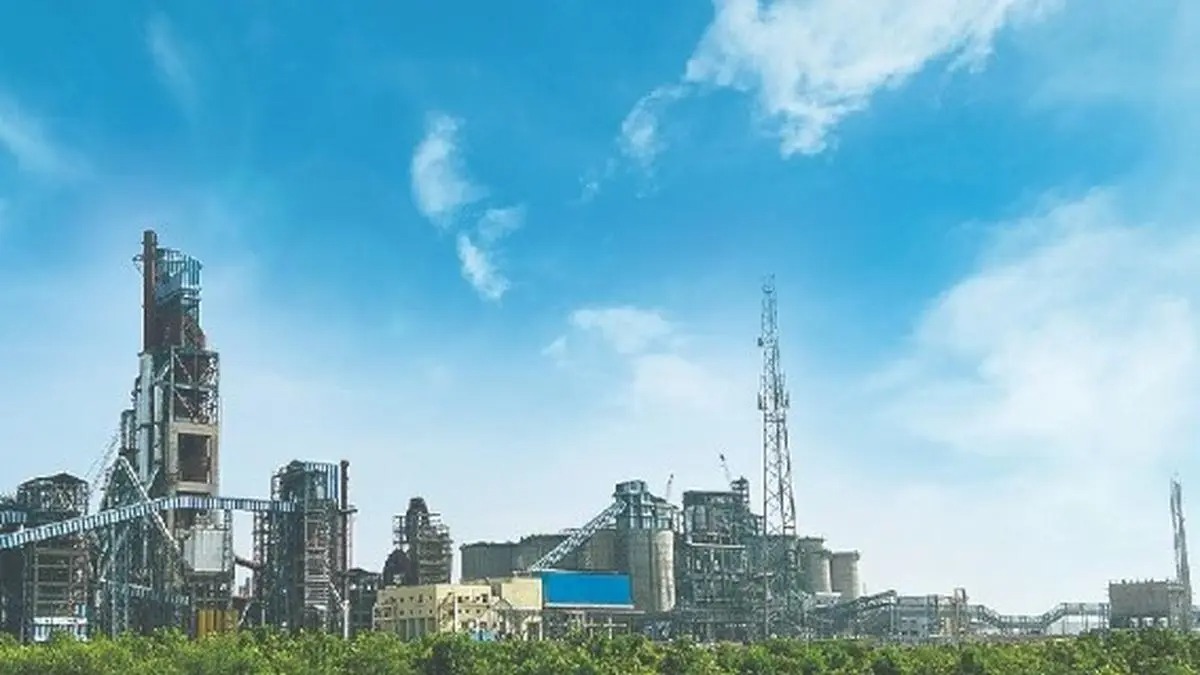
Ramco Cements, a leading Indian cement manufacturer, has recently commissioned an 8 MW Waste Heat Recovery (WHR) System at its Ramasamy Raja Nagar plant. This new system increases Ramco Cements’ overall waste heat power generation capacity to 53.15 MW, marking a significant step toward energy efficiency and sustainable operations.
What is a Waste Heat Recovery System?
A Waste Heat Recovery (WHR) System captures heat generated during industrial processes that would otherwise be released into the atmosphere. This recovered heat is converted into electricity, reducing dependency on conventional energy sources and lowering operational costs.
Key Benefits:
Reduces carbon footprint
Generates additional power from waste energy
Improves energy efficiency
Supports sustainability and ESG goals
Highlights of the Ramasamy Raja Nagar WHR System
Capacity: 8 MW
Total WHR Capacity for Ramco Cements: 53.15 MW
Plant Location: Ramasamy Raja Nagar, Tamil Nadu
Technology: Captures waste heat from cement kiln and converts it into electricity
Impact:
Supplies a portion of the plant’s electricity needs using clean energy
Reduces reliance on grid power and fossil fuels
Contributes to lower CO₂ emissions and sustainable operations
Why Waste Heat Recovery Matters in Cement Industry
The cement industry is energy-intensive, consuming large amounts of electricity and fuel. By implementing WHR systems:
Cost Savings: Plants can generate a significant portion of their energy, reducing power costs.
Environmental Benefits: Reduces greenhouse gas emissions by reusing heat that would otherwise be wasted.
Energy Efficiency: Enhances overall operational efficiency of the cement plant.
Sustainability: Aligns with India’s renewable energy targets and ESG initiatives.
Industry Context
India is actively promoting renewable energy and energy-efficient technologies in industries. Waste Heat Recovery Systems are being increasingly adopted by cement manufacturers, steel plants, and other energy-intensive industries as part of the green energy transition.
FAQs
Q1: What is the total WHR capacity of Ramco Cements now?
A1: After commissioning the 8 MW system, Ramco Cements’ total waste heat power generation capacity is 53.15 MW.
Q2: How does a WHR system help reduce carbon emissions?
A2: By converting waste heat into electricity, the plant relies less on fossil fuels, reducing CO₂ emissions.
Q3: Is WHR electricity sufficient to run the entire cement plant?
A3: WHR systems typically supply a portion of the plant’s electricity needs; the rest is sourced from the grid or other power sources.
Q4: Are WHR systems common in Indian cement plants?
A4: Yes, several cement manufacturers are adopting WHR systems to improve energy efficiency and meet sustainability goals.
Conclusion
The commissioning of the 8 MW Waste Heat Recovery System at Ramco Cements’ Ramasamy Raja Nagar plant demonstrates the company’s commitment to energy efficiency, cost optimization, and sustainability. By increasing its total WHR capacity to 53.15 MW, Ramco Cements not only reduces operational costs but also contributes significantly to clean energy generation in the cement sector.
Published on : 4th September
Published by : SMITA
www.vizzve.com || www.vizzveservices.com
Follow us on social media: Facebook || Linkedin || Instagram
🛡 Powered by Vizzve Financial
RBI-Registered Loan Partner | 10 Lakh+ Customers | ₹600 Cr+ Disbursed
https://play.google.com/store/apps/details?id=com.vizzve_micro_seva&pcampaignid=web_share