

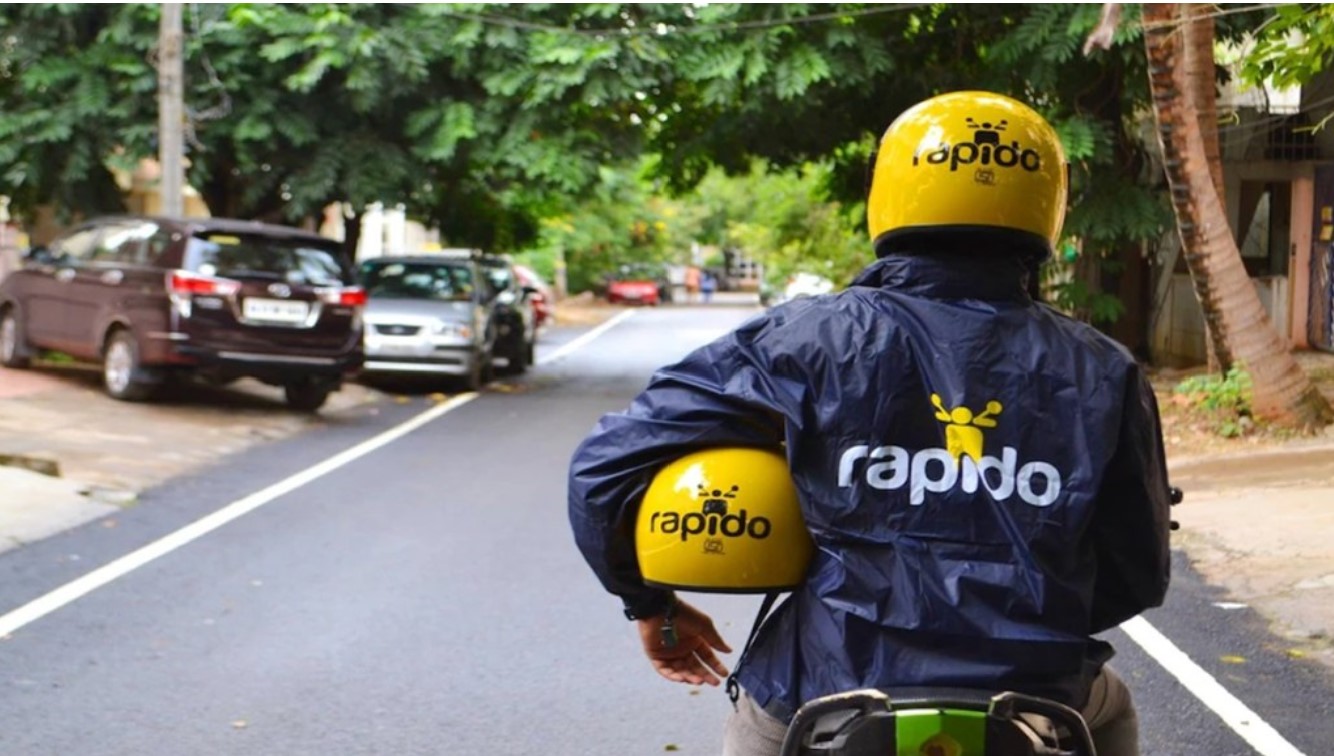
Rapido Vs Zomato, Swiggy: Can Low Commission Offset High Customer Acquisition Costs?
Introduction
India’s food delivery ecosystem is undergoing a shift. While Zomato and Swiggy have dominated with aggressive expansion and deep discounting, Rapido is quietly reshaping the narrative. By offering a lower commission model and transparent pricing, Rapido poses a potential challenge to the established players. But can a lean commission structure truly offset high customer acquisition costs (CAC)? Let's break it down.
Commission Models Compared
Rapido’s Commission Strategy
Rapido operates with a flat delivery fee system, charging:
₹25 for orders below ₹400
₹50 for orders above ₹400
This results in an effective commission range of 8%–15%, significantly lower than the industry average. Unlike Zomato or Swiggy, Rapido does not impose packaging or platform charges on customers, keeping the final pricing lean.
Zomato & Swiggy’s Commission Structure
Zomato and Swiggy typically charge:
16% to 30% commission from restaurants, depending on location, order volume, and exclusivity agreements.
Additional platform and packaging fees levied on customers.
This model leads to price markups, especially online, and often strains the profit margins of restaurant partners.
Customer Acquisition Costs (CAC)
Zomato & Swiggy: High CAC Dependency
Both platforms rely heavily on:
Digital advertising
Couponing and discounts
Influencer marketing
This strategy boosts new user growth but at the expense of profitability. High CAC often results in minimal lifetime value unless users become repeat customers without incentives.
Rapido’s CAC Advantage
Rapido’s entry into food delivery benefits from:
An existing user base from its bike taxi operations
Cross-promotion opportunities
Lower marketing expenditure
This reduces overall CAC, allowing Rapido to operate on thinner margins while staying sustainable.
Profitability Impact for Restaurants
Restaurant partners on Swiggy and Zomato often report:
Reduced margins on delivery orders
Inconsistent pricing between in-house dining and online menus
Frustration over high deductions and lack of transparency
In contrast, Rapido’s model:
Allows uniform pricing online and offline
Ensures greater revenue retention
Offers a more collaborative partnership model for smaller food businesses and cloud kitchens
Will Low Commission Win in the Long Run?
While low commission helps in gaining restaurant loyalty, sustainable customer retention is key to long-term success. Rapido’s model is promising, but scalability depends on:
Expanding market presence
Maintaining delivery quality
Building consumer trust without heavy discounts
If Rapido continues leveraging its logistics network and keeps CAC low, it may redefine the economics of India’s food delivery landscape.
FAQs
Q1: What makes Rapido’s commission model unique?
Rapido charges a flat delivery fee instead of percentage-based commissions, offering a lower effective rate (8–15%), which helps restaurants retain more earnings.
Q2: Why do Zomato and Swiggy have high customer acquisition costs?
They rely heavily on digital marketing and discounts to attract new users, which increases CAC and affects profitability.
Q3: Does Rapido have the scale to challenge Zomato and Swiggy?
While still growing, Rapido has a strong logistics infrastructure from its bike taxi operations and can scale efficiently by leveraging this base.
Q4: Is Rapido more profitable for restaurants?
Yes, restaurants using Rapido typically face lower deductions and more transparent earnings, improving overall profitability.
Q5: Can low commission alone sustain Rapido’s food delivery model?
Not entirely. It needs to maintain service quality and customer experience while scaling efficiently to compete with entrenched players.
www.vizzve.com || www.vizzveservices.com
Follow us on social media: Facebook || Linkedin || Instagram