

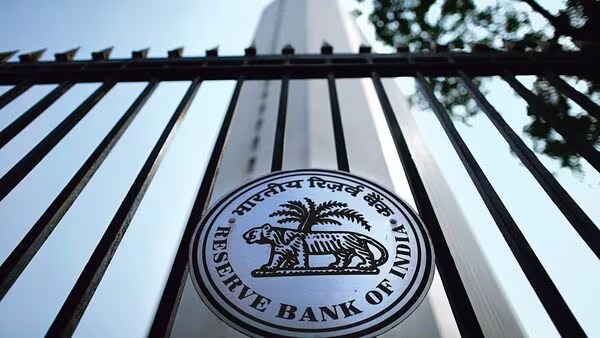
n a major move to strengthen credit availability for large-scale projects, the Reserve Bank of India (RBI) has eased provisioning rules for infrastructure loans. The step is expected to encourage banks to lend more aggressively towards the infrastructure sector, reducing financing bottlenecks and boosting long-term economic growth.
1. What Are Provisioning Rules?
Provisioning refers to the amount that banks must set aside as a safeguard against potential loan defaults. Higher provisioning requirements reduce the amount banks can lend, while relaxed rules free up more funds for lending.
2. Key Highlights of the RBI’s Move
Reduced provisioning requirement for standard infrastructure loans.
Flexible restructuring norms for delayed projects, giving companies more breathing space.
Encouragement for banks to extend long-term funding to infrastructure without excessive risk burden.
3. Why This Change Matters
Boosts Infrastructure Growth: Easier access to credit for highways, power, renewable energy, and urban development.
Relieves Banks: Reduces the capital lock-in, improving liquidity.
Economic Push: More investment in infrastructure means higher employment, better logistics, and long-term GDP growth.
4. Potential Risks
Banks may face increased risk of defaults if projects stall.
Monitoring becomes critical to prevent accumulation of bad loans.
Balancing growth with financial stability will be key.
5. Industry Response
Experts and industry bodies have welcomed the move, calling it a positive step to align credit flow with India’s infrastructure development goals. The decision is expected to attract private investment and complement government spending in the sector.
Conclusion:
By easing infrastructure loan provisioning rules, the RBI is sending a strong signal to support India’s growth story. With increased credit flow, reduced burden on banks, and more flexibility for projects, this reform could pave the way for faster execution of critical infrastructure projects in the years ahead.
FAQ :
Q1: What has RBI changed in infrastructure loan provisioning?
The RBI has reduced provisioning requirements, freeing up funds for banks to lend.
Q2: How will this affect infrastructure projects?
Projects will have easier access to funding, ensuring timely execution.
Q3: Will this increase risk for banks?
Yes, but with proper monitoring, the risk can be managed.
Q4: Which sectors will benefit the most?
Roads, power, renewable energy, and urban development projects.
Q5: How does this move help the economy?
It boosts infrastructure investment, creating jobs and supporting GDP growth.
Published on : 4th September
Published by : SMITA
www.vizzve.com || www.vizzveservices.com
Follow us on social media: Facebook || Linkedin || Instagram
🛡 Powered by Vizzve Financial
RBI-Registered Loan Partner | 10 Lakh+ Customers | ₹600 Cr+ Disbursed
https://play.google.com/store/apps/details?id=com.vizzve_micro_seva&pcampaignid=web_share