

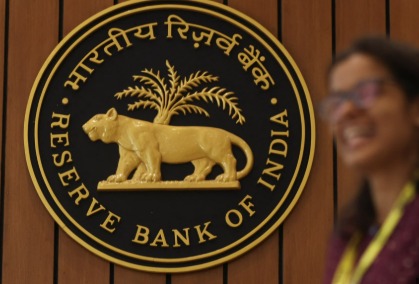
The Reserve Bank of India (RBI) has recently announced measures to ease liquidity rules, aiming to increase market activity, support credit flow, and stabilize financial conditions. These policy adjustments are part of the central bank’s broader strategy to stimulate economic growth while maintaining monetary stability.
1. What the RBI Measures Entail
The RBI’s easing measures focus on:
Lowering Cash Reserve Ratio (CRR) or Statutory Liquidity Ratio (SLR) requirements for banks.
Relaxing lending norms for specific sectors to encourage borrowing.
Enhancing liquidity injection mechanisms through repo operations or reverse repos to ensure sufficient funds in the market.
2. Expected Impact on Financial Markets
Banking Sector: Improved liquidity allows banks to lend more freely, supporting credit demand and reducing borrowing costs.
Stock Markets: Increased liquidity can lead to higher market participation, improving trading volumes and investor confidence.
Corporate Borrowing: Companies may find it easier and cheaper to access working capital and long-term funding.
3. Supporting Economic Growth
By easing liquidity rules, the RBI aims to:
Boost business investments by lowering financing costs.
Encourage consumption through easier access to loans.
Stabilize short-term interest rates to maintain financial market stability.
4. Cautionary Notes
While liquidity easing supports growth, the RBI continues to monitor:
Inflationary pressures: Excess liquidity could potentially trigger inflation.
Asset quality: Banks must ensure lending standards are maintained to prevent a rise in non-performing assets (NPAs).
5. Market Reactions
Financial analysts expect positive sentiment in the equity and debt markets following these measures. Increased credit flow can support sectors like infrastructure, manufacturing, and MSMEs, which are vital for sustaining economic momentum.
Final Thoughts
The RBI’s decision to ease liquidity rules is a strategic move to stimulate market activity, support credit flow, and promote economic stability. While it presents opportunities for investors, corporates, and banks, careful monitoring will be essential to balance growth with financial discipline.
FAQs:
1. What are the RBI’s liquidity easing measures?
The RBI has relaxed cash reserve and statutory liquidity norms, eased lending rules, and increased liquidity injection to boost market activity.
2. How will liquidity easing impact banks?
Banks will have more funds to lend, which can reduce borrowing costs and support credit demand across sectors.
3. What is the expected effect on financial markets?
Increased liquidity is likely to improve stock market participation, trading volumes, and investor confidence.
4. Are there risks associated with liquidity easing?
Excess liquidity could raise inflationary pressures, and banks must maintain lending standards to prevent asset quality deterioration.
5. Which sectors may benefit most from RBI measures?
Infrastructure, manufacturing, MSMEs, and corporate borrowers are likely to benefit from easier access to credit.
Published on : 13th October
Published by : SMITA
www.vizzve.com || www.vizzveservices.com
Follow us on social media: Facebook || Linkedin || Instagram
🛡 Powered by Vizzve Financial
RBI-Registered Loan Partner | 10 Lakh+ Customers | ₹600 Cr+ Disbursed
https://play.google.com/store/apps/details?id=com.vizzve_micro_seva&pcampaignid=web_share