

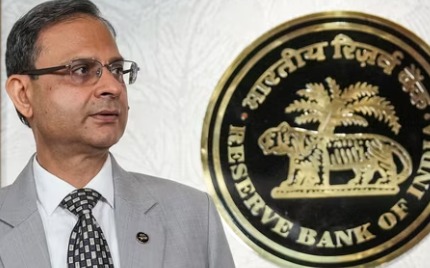
The Reserve Bank of India (RBI) recently decided to hold the repo rate at 5.5%, maintaining the status quo in monetary policy. The repo rate is the interest rate at which RBI lends to commercial banks, and it directly influences loan interest rates for borrowers across India.
For anyone with a home loan, personal loan, car loan, or business loan, this decision has direct implications on your EMIs and borrowing costs.
What the Repo Rate Decision Means
No Change in Borrowing Costs: Since the repo rate remains at 5.5%, interest rates on floating-rate loans are unlikely to change immediately.
Stability in EMIs: Borrowers with existing loans linked to MCLR or repo rate will see their EMIs remain stable, without an immediate increase or decrease.
Market Outlook: Holding the repo rate suggests that RBI is monitoring inflation and growth, aiming for balanced monetary policy.
Impact on Different Types of Loans
1. Home Loans
Most home loans in India are linked to MCLR or repo-linked rates.
With the repo rate unchanged, EMIs for floating-rate home loans will remain stable.
Borrowers considering top-ups or new loans can plan without anticipating higher interest rates in the near term.
2. Personal Loans
Personal loans often have higher interest rates (10–18% p.a.), but floating-rate personal loans linked to repo rate will also remain stable.
Fixed-rate personal loans are unaffected by the repo rate decision.
3. Car Loans and Other Retail Loans
EMIs on car loans and consumer durable loans linked to repo or MCLR will stay unchanged.
Borrowers can plan vehicle purchases with predictable monthly payments.
4. Business Loans
For businesses relying on working capital or term loans, funding costs remain stable, aiding financial planning and investment decisions.
Tips for Borrowers After the Repo Rate Announcement
Review Floating-Rate Loans: Check if your home or personal loan is repo-linked and confirm EMI stability.
Consider Prepayment: If your financial situation allows, prepaying part of the loan can reduce overall interest outgo.
Plan New Loans: With stable interest rates, now may be a good time to apply for loans without fearing immediate hikes.
Watch Market Trends: RBI may adjust rates in future depending on inflation, so stay updated.
FAQs:
Q1. What is the repo rate?
The repo rate is the rate at which RBI lends short-term funds to commercial banks. It directly affects loan interest rates in India.
Q2. Does holding the repo rate mean EMIs will never increase?
No. EMIs may change in the future if RBI revises rates or if lenders adjust MCLR or spreads on loans.
Q3. How often does RBI change the repo rate?
RBI reviews the repo rate every 2 months in its Monetary Policy Committee (MPC) meetings, but emergency revisions can occur.
Q4. Are fixed-rate loans affected by repo rate?
No, fixed-rate loans remain unaffected by repo rate decisions.
Q5. How can borrowers benefit from stable repo rates?
Stable repo rates provide predictable EMIs, helping borrowers plan budgets, manage debt, and make new investments or loan decisions confidently.
Published on : 1st October
Published by : SMITA
www.vizzve.com || www.vizzveservices.com
Follow us on social media: Facebook || Linkedin || Instagram
🛡 Powered by Vizzve Financial
RBI-Registered Loan Partner | 10 Lakh+ Customers | ₹600 Cr+ Disbursed
https://play.google.com/store/apps/details?id=com.vizzve_micro_seva&pcampaignid=web_share