

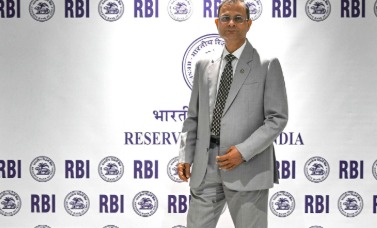
The Reserve Bank of India (RBI) has announced a series of important changes to interest rate structures and collateral lending norms, effective October 1, 2025.
These reforms aim to provide greater flexibility to borrowers, promote liquidity in credit markets, and ensure that lending practices remain aligned with evolving financial realities.
The latest guidelines cover three key areas — interest rate conversion, loans against precious metal collateral, and overall lending transparency.
1. Flexibility in Interest Rate Structure
Under the new framework, banks will be permitted to convert fixed-rate loans into floating-rate loans, and vice versa, subject to borrower consent.
This is expected to help borrowers better manage their repayment obligations in a changing interest rate environment.
Fixed-to-Floating Conversion: Borrowers currently locked into fixed-rate advances will now have the option to move to floating rates if market conditions favor them.
Floating-to-Fixed Option: Similarly, those with floating-rate loans can opt for fixed rates to gain repayment stability.
The move aims to reduce interest burden volatility while enhancing competition among banks for customer retention.
2. Relaxation on Loans Against Gold and Silver Collateral
The RBI has also relaxed norms for loans backed by gold and silver, making it easier for individuals and small businesses to access credit.
Banks will now be able to:
Offer higher loan-to-value (LTV) ratios on gold and silver collateral within prudential limits.
Streamline valuation and documentation to improve turnaround time for loan approval.
This change is especially relevant for the jewelry, retail, and MSME sectors, which frequently rely on such collateralized loans for short-term working capital needs.
3. Strengthening Transparency and Risk Management
The revised policy mandates that banks provide clear disclosures regarding interest rate conversions, service charges, and any additional costs tied to rate switching.
Furthermore, lenders must ensure borrowers are adequately informed before any modification of loan terms takes place — reinforcing the RBI’s emphasis on customer protection and fair banking practices.
Impact on Borrowers and Banks
Borrowers: Will enjoy more flexibility in managing loan costs, especially amid fluctuating market rates.
Banks: Will have more tools to retain customers while also bearing the responsibility of transparent rate transitions.
Financial Ecosystem: Aims to balance credit growth with prudent lending, while promoting inclusivity in formal financial channels.
Analysts believe this reform will make India’s lending ecosystem more dynamic, borrower-centric, and responsive to economic cycles.
❓ FAQs
1. When will the new RBI lending rules come into effect?
The new guidelines will take effect on October 1, 2025.
2. Can existing borrowers switch from fixed to floating interest rates?
Yes. Borrowers can now choose to switch from fixed-rate to floating-rate loans (or vice versa) with their bank’s consent, subject to terms and charges.
3. What changes have been made to gold and silver loans?
The RBI has relaxed certain lending norms, allowing banks to offer higher LTV ratios and simplify procedures for loans against gold and silver.
4. Will these changes affect EMI payments?
Borrowers who switch to floating rates may see variable EMIs depending on market interest rate trends. Those on fixed rates will retain repayment stability.
5. Why did RBI introduce these changes now?
The move aligns with RBI’s broader goal of enhancing flexibility, promoting financial inclusion, and ensuring a resilient credit system as the economy evolves.
Conclusion
The RBI’s decision to revamp lending rules from October 1, 2025 underscores its focus on transparency, flexibility, and borrower empowerment.
By enabling interest rate conversions and relaxing collateral norms, the central bank is taking a progressive step toward making credit more adaptive to market conditions.
This marks a crucial shift in India’s financial framework — one that benefits both lenders and borrowers, while reinforcing the RBI’s long-term commitment to sustainable, customer-focused banking.
Published on : 27th October
Published by : SMITA
www.vizzve.com || www.vizzveservices.com
Follow us on social media: Facebook || Linkedin || Instagram
🛡 Powered by Vizzve Financial
RBI-Registered Loan Partner | 10 Lakh+ Customers | ₹600 Cr+ Disbursed
https://play.google.com/store/apps/details?id=com.vizzve_micro_seva&pcampaignid=web_share