

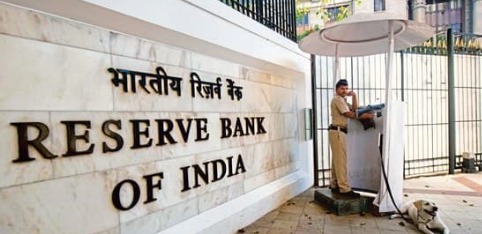
The Reserve Bank of India (RBI) has unveiled a proposal to revise risk-weight norms and introduce an Expected Credit Loss (ECL) framework for banks — a move that could significantly reshape the way loans are classified, provisioned, and capitalized.
This initiative marks a shift toward a more forward-looking and risk-sensitive approach in India’s banking sector, aligning domestic regulations more closely with global best practices such as the Basel III standards.
Understanding the New Risk-Weight Proposal
Risk weights determine the amount of capital banks must hold against different categories of loans. By adjusting these weights, the RBI aims to ensure that capital buffers accurately reflect the underlying credit risk.
Under the proposed framework, banks with higher exposure to unsecured personal loans and credit cards may face increased capital requirements, as the central bank seeks to moderate excessive growth in retail credit and strengthen systemic stability.
The new structure also incentivizes prudent lending by offering favorable treatment for well-rated borrowers and penalizing high-risk exposures.
The Expected Credit Loss (ECL) Framework
The ECL model represents a major evolution from the traditional incurred loss model, where banks recognize loan losses only after they occur. Under the ECL framework, banks must estimate and provision for potential future credit losses based on early indicators and borrower risk profiles.
This proactive model enhances resilience in the banking system by helping lenders identify stressed accounts earlier, maintain adequate provisions, and avoid sudden financial shocks.
Impact on Banks and Borrowers
For banks, the transition to the new frameworks may initially increase capital and provisioning requirements, particularly for riskier loan segments. However, in the long term, it is expected to promote healthier balance sheets, improved credit discipline, and stronger investor confidence.
Borrowers may also see tighter credit assessments and differentiated loan pricing as banks adjust to the new standards.
A Step Toward Global Alignment
The RBI’s proposal reinforces India’s commitment to financial stability and transparency, aligning domestic practices with international standards followed in advanced economies. The move is timely, given the recent surge in retail credit growth and evolving risks in the digital lending space.
Overall, these regulatory reforms are designed to strengthen the banking system, enhance risk management, and ensure sustainable credit growth in the years ahead.
FAQs
1. What is the ECL framework proposed by the RBI?
The Expected Credit Loss (ECL) framework requires banks to estimate and provide for possible loan losses in advance, based on risk assessments.
2. Why is RBI revising risk-weight norms?
To ensure that banks maintain adequate capital buffers against potential loan losses and discourage overexposure to high-risk credit segments.
3. How will this impact borrowers?
Borrowers may experience stricter credit evaluations and possible changes in interest rates as banks adjust to new risk-based lending norms.
4. Is this in line with global practices?
Yes, the proposed framework aligns India’s banking regulations with international standards like Basel III and IFRS 9.
5. When will these changes take effect?
The RBI has proposed the frameworks for public feedback; final implementation timelines will be announced after consultations.
Published on : 30th October
Published by : SMITA
www.vizzve.com || www.vizzveservices.com
Follow us on social media: Facebook || Linkedin || Instagram
🛡 Powered by Vizzve Financial
RBI-Registered Loan Partner | 10 Lakh+ Customers | ₹600 Cr+ Disbursed
https://play.google.com/store/apps/details?id=com.vizzve_micro_seva&pcampaignid=web_share