

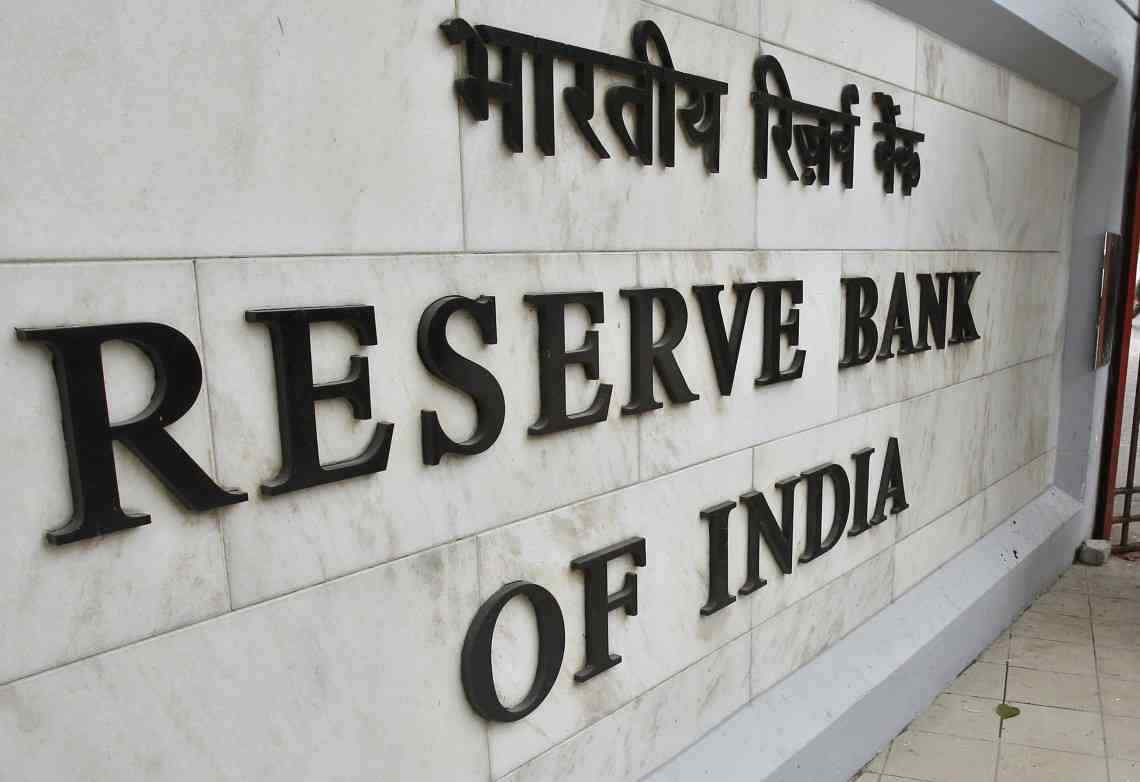
The Reserve Bank of India (RBI) recently announced a ₹50,000 crore liquidity infusion through a Variable Rate Repo (VRR) auction. This move is designed to ease short-term cash crunch in the banking system.
It’s a significant step as liquidity tightens amid tax outflows, government borrowing, and rising credit demand.
What Is a Liquidity Auction?
A liquidity auction is when RBI lends money to banks in exchange for government securities. It ensures that banks have enough cash to:
Lend to businesses and individuals
Manage day-to-day operations
Keep interest rates stable
This ₹50,000 crore will be distributed via Variable Rate Repo (VRR), where banks bid for funds at interest rates determined by market demand.
Why Did RBI Do This?
RBI is acting in response to:
Tightening liquidity due to tax payments and lower government spending
High credit demand from consumers and corporates
Volatile overnight rates, sometimes breaching the repo rate
By infusing liquidity, the central bank ensures that interest rates remain in control and that banks can meet loan demands.
Impact on the Economy
For Borrowers:
EMIs on home, car, and personal loans might stay stable if liquidity improves
Banks won’t need to raise interest rates aggressively
For Businesses:
Easier access to working capital loans
Smoother cash flow during festival and production seasons
For Markets:
Improved investor sentiment
Boost to NBFCs and banks which rely on short-term borrowing
Equity markets may see short-term gains due to liquidity comfort
Will It Help Fight Inflation?
While this move injects money, it’s short-term and controlled. RBI is balancing liquidity with inflation by using targeted repo tools, not open-ended easing.
Inflation control will still depend on:
Food prices
Global oil rates
Government fiscal discipline
What Is VRR (Variable Rate Repo)?
A repo tool where RBI lends money to banks
Banks offer securities and bid interest rates they’re willing to pay
It reflects real-time liquidity needs
This auction is not QE (Quantitative Easing). It’s a temporary liquidity fix, not long-term money printing.
FAQs
Q1: Will this reduce loan interest rates?
Not directly, but it prevents a sharp rise in rates by keeping banks funded.
Q2: Is RBI worried about liquidity shortage?
Yes, temporarily. But it’s managing it actively, so it doesn’t disrupt the financial system.
Q3: Is this inflationary?
Not necessarily. Since it’s short-term and market-driven, the impact on inflation is minimal.
Q4: Who benefits the most from this auction?
Banks, NBFCs, corporates seeking short-term loans, and indirectly, borrowers and investors.
Final Word
RBI’s ₹50,000 crore liquidity auction is a calibrated move to prevent financial tightening, support economic activity, and maintain market stability. While it’s not a game-changer, it sends a strong signal:
👉 The central bank is watching and ready to act.
Whether you’re a borrower, investor, or business owner, this move could offer short-term relief and long-term confidence in India’s economic management.
Published on : 31st July
Published by : SMITA
www.vizzve.com || www.vizzveservices.com
Follow us on social media: Facebook || Linkedin || Instagram
🛡 Powered by Vizzve Financial
RBI-Registered Loan Partner | 10 Lakh+ Customers | ₹600 Cr+ Disbursed