

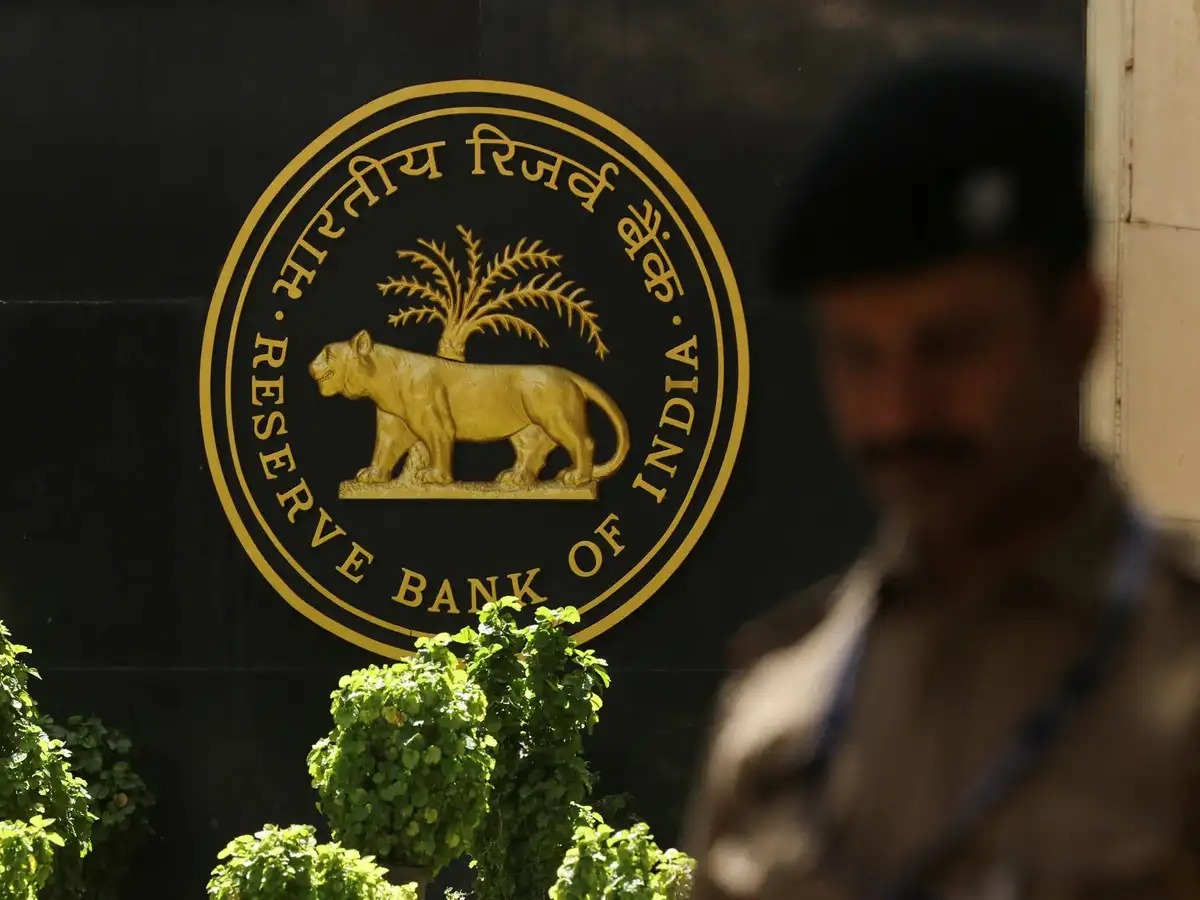
In a strategic turn of events, the Reserve Bank of India (RBI) has begun buying back Government Securities (G-Secs) in an open market operation (OMO). While it might sound like routine monetary housekeeping, this is a big move in India's debt management playbook—and it could affect everything from your loan rates to mutual fund NAVs.
At Vizzve Finance, we break down what this G-Sec buyback means, why the RBI is doing it now, and how it affects investors, borrowers, and the economy.
📉 What Is a G‑Sec Buyback?
Government Securities (G-Secs) are bonds issued by the Indian government to borrow money. When the RBI buys back these bonds from the secondary market, it injects liquidity into the banking system, lowers yields, and signals monetary easing.
In July 2025, the RBI launched multiple G‑Sec buybacks worth ₹40,000 crore, aiming to manage government debt and support financial markets amid slowing credit demand and global uncertainty.
🎯 Why Is RBI Doing This Now?
Liquidity Infusion
With rising liquidity stress in NBFCs and small banks, the RBI is injecting capital to ease funding pressures.
Debt Cost Management
Buying back higher-cost bonds helps the government refinance debt at lower yields, reducing the burden on taxpayers.
Signal to Markets
It signals that monetary policy may stay accommodative or even become looser.
Support for Bond Markets
With global bond yields uncertain, this gives stability and cushions volatility for Indian investors.
🧠 Vizzve Finance Insight: It’s Not Just a Bond Market Story
At Vizzve, we see G‑Sec buybacks as a financial multiplier—a move that can shape everything from interest rates to investment trends.
Here's how it affects you:
Lower Home Loan & Personal Loan Rates: Buybacks push down yields, which may influence lending rates positively.
Mutual Fund NAV boost: Debt funds, especially long-duration and gilt funds, could see capital gains as bond prices rise.
Better Debt Management: Government saves on interest payments, which can be redirected to infrastructure and welfare.
🔍 Impact Breakdown
| Segment | Impact of G‑Sec Buyback |
|---|---|
| Borrowers | Potential for lower EMIs due to easing interest rates |
| Mutual Fund Investors | Capital appreciation in debt/gilt fund portfolios |
| Banks & NBFCs | Improved liquidity and lending capacity |
| Government | Reduced cost of borrowing |
| Economy | Encourages investment, boosts confidence |
⚠️ Caveats to Watch
Buybacks don’t guarantee lower retail interest rates immediately.
Global bond market volatility may counter RBI’s intentions.
Inflation pressure could limit further easing moves.
🤔 FAQs: RBI G‑Sec Buyback Explained
Q1. What is a G‑Sec Buyback?
It’s when RBI repurchases existing government securities from the market, injecting liquidity and managing debt.
Q2. Why is RBI doing this now?
To ease liquidity, reduce government borrowing costs, and maintain financial stability amid uncertain global conditions.
Q3. How does this impact mutual funds?
Debt and gilt funds benefit as bond prices rise and yields fall, improving NAVs.
Q4. Will this reduce loan interest rates?
Not directly, but it supports a low-rate environment which may lead to lower EMIs over time.
Q5. How can I use this as an investor?
Use Vizzve tools to analyze debt fund returns, track rate trends, and make smarter fixed-income investments.
Published on : 14th July
Published by : SMITA
www.vizzve.com || www.vizzveservices.com
Follow us on social media: Facebook || Linkedin || Instagram
🛡 Powered by Vizzve Financial
RBI-Registered Loan Partner | 10 Lakh+ Customers | ₹600 Cr+ Disbursed.