

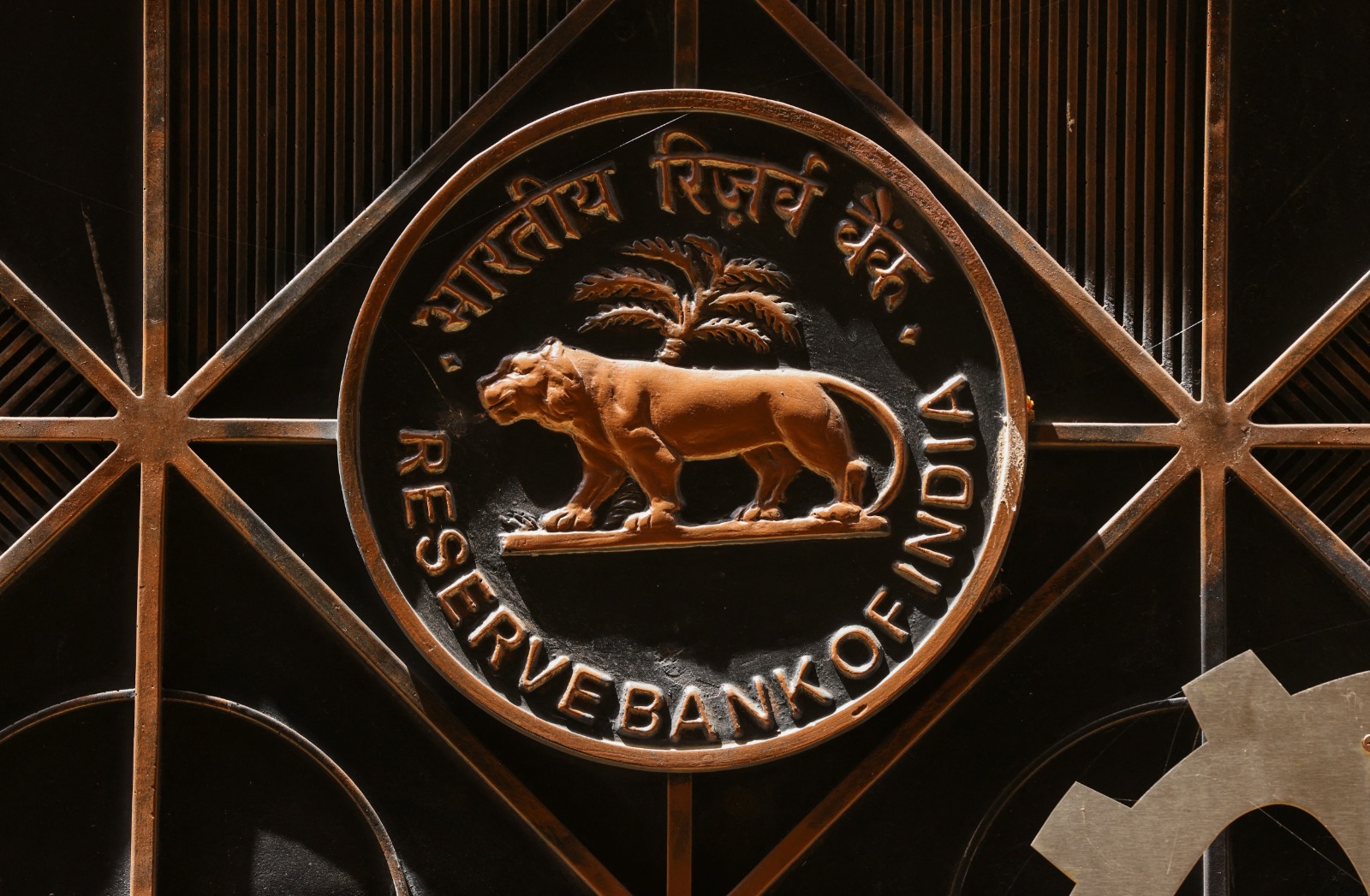
The Reserve Bank of India (RBI) has rolled out a comprehensive framework for Payment Aggregators (PAs) to strengthen India’s fast-growing digital payments ecosystem. These rules cover capital requirements, operating standards, and cross-border transaction limits, aiming to enhance transparency, security, and consumer confidence.
Key Highlights of the New Rules
1. Capital Requirements
Minimum Net-Worth Norms: Existing PAs must maintain a minimum net worth as specified by RBI, while new entrants must show compliance at the time of application.
Gradual Compliance: Transitional provisions allow PAs to meet the full capital requirement within a specified timeframe.
2. Operating Standards
Customer Grievance Redressal: Mandatory setting up of robust complaint redress systems.
Data Security & KYC: Stronger checks on KYC, PCI-DSS standards, and fraud detection to protect users’ sensitive data.
Settlement Timelines: Clearer timelines for merchant settlements to ensure liquidity and trust.
3. Cross-Border Transaction Limits
Transaction Caps: RBI has specified limits on outward and inward cross-border transactions to prevent misuse and ensure regulatory oversight.
Enhanced Monitoring: Payment Aggregators must maintain detailed records of cross-border flows for audit and compliance purposes.
Implications for the Industry
For Payment Aggregators: Higher compliance costs but improved credibility in the long run.
For Merchants: Faster settlements, better dispute handling, and safer cross-border payments.
For Consumers: More transparent fees, greater data security, and higher confidence in online payments.
Benefits for India’s Digital Economy
Enhanced Trust: Clear rules strengthen public trust in digital payments.
Level Playing Field: Standardized requirements promote fair competition among fintechs.
Cross-Border Efficiency: Regulated limits can help curb fraud while enabling legitimate trade and remittances.
Tips for Businesses Using Payment Aggregators
Check Compliance: Ensure your chosen PA meets the new RBI norms.
Review Settlement Terms: Updated timelines may affect cash flow planning.
Stay Updated: RBI may issue further clarifications or amendments.
Conclusion
The RBI’s new rules for Payment Aggregators mark a significant step in regulating India’s digital payment landscape. By enforcing capital adequacy, stronger operating standards, and clear cross-border transaction limits, the regulator seeks to create a more secure, transparent, and robust ecosystem benefiting consumers, merchants, and the wider economy.
❓ Frequently Asked Questions (FAQ)
1. What are Payment Aggregators (PAs)?
Payment Aggregators are intermediaries that enable merchants to accept online payments from customers by integrating multiple payment methods (cards, UPI, wallets) without the merchant having to build its own payment infrastructure.
2. Why has the RBI issued new rules for Payment Aggregators?
The Reserve Bank of India introduced these rules to improve the safety, transparency, and reliability of digital payments while curbing fraud and misuse in cross-border transactions.
3. What are the new capital requirements for Payment Aggregators?
RBI has mandated minimum net-worth norms for both existing and new Payment Aggregators. New entrants must comply at the time of application, while existing ones have a grace period to meet the requirement.
4. How do the rules affect cross-border transactions?
The RBI has set clear limits and enhanced reporting requirements for inward and outward cross-border transactions to prevent misuse and ensure regulatory oversight.
5. What operational standards must PAs now follow?
They must adopt stronger KYC, data security, fraud detection, merchant settlement timelines, and robust grievance redress mechanisms.
Published on : 16th September
Published by : SMITA
www.vizzve.com || www.vizzveservices.com
Follow us on social media: Facebook || Linkedin || Instagram
🛡 Powered by Vizzve Financial
RBI-Registered Loan Partner | 10 Lakh+ Customers | ₹600 Cr+ Disbursed
https://play.google.com/store/apps/details?id=com.vizzve_micro_seva&pcampaignid=web_share