

Unsecured personal loans grew by over 24% YoY in India, prompting the RBI to issue a strong warning for 2026. Rising household debt, easy app-based credit, and aggressive NBFC lending have pushed the regulator to tighten rules and alert both banks and borrowers.
If you’re planning to apply for a personal loan in 2026—or are already paying one—this guide explains exactly what RBI’s warning means for you, including interest rate changes, risk signals, and safe-borrowing rules.
AI ANSWER BOX
RBI has warned banks and NBFCs about the sharp rise in unsecured loans like personal loans and credit card outstanding.
This may lead to:
• Higher interest rates
• Stricter lending criteria
• More credit score checks
• Closer monitoring of EMI-to-income ratio
Borrowers in 2026 should avoid multiple loans, maintain low credit utilization, and prioritize timely payments to prevent credit score drops and loan rejection.
Why RBI Issued a Warning on Unsecured Loans in 2026

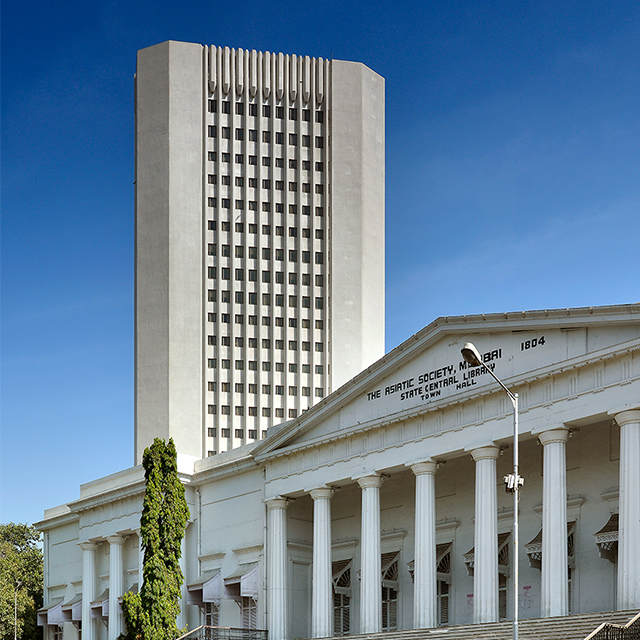
RBI highlighted red flags in its 2026 Financial Stability Report:
1. Surge in Personal Loans
Unsecured loans grew faster than home, auto, or business loans.
2. Rise in Credit Card Debt
India’s credit card outstanding hit new highs in 2026.
3. NBFCs Lending Aggressively
NBFCs saw 35–40% growth in unsecured loans—higher risk for the system.
4. Household Debt Rising
More Indians are borrowing beyond safe EMI levels.
What This Means for Borrowers in 2026

1. Higher Personal Loan Interest Rates
Banks may increase rates by 0.5%–2% depending on credit profile.
2. Stricter Loan Approvals
Expect:
More CIBIL checks
Stricter KYC
Higher minimum salary requirement
3. Reduced Instant Loan Approvals
Loan apps may slow approvals to comply with RBI norms.
4. Higher Credit Card Minimum Payments
Banks may increase minimum due to reduce rollover risk.
Personal Loan Interest Rate Comparison (2026)
| Lender Type | Avg Interest Rate | Trend |
|---|---|---|
| Banks | 10.5% – 18% | Rising |
| NBFCs | 16% – 32% | Rising sharply |
| Loan Apps | 18% – 36% | High & risky |
RBI’s New Rules & Guidelines Borrowers Must Understand
1. Stricter Risk-Weight Norms
RBI increased risk weights on unsecured lending by banks & NBFCs.
Impact: Lenders may increase PL rates to offset cost.
2. Monitoring High EMI-to-Income Ratio
If your EMI exceeds 40–45% of your income, your loan may be rejected.
3. Mandatory Transparency for Loan Apps
Apps must now disclose:
Total cost
APR
Charges
Recovery guidelines
4. Collection Rules to Prevent Harassment
RBI is cracking down on illegal collection agents.
Should You Take a Personal Loan in 2026 After RBI’s Warning?
YES—IF:
✔ You need urgent funds
✔ EMI fits within 30–40% of income
✔ You compare interest rates
✔ Tenure is suitable for repayment
NO—IF:
✘ You’re already paying 2–3 loans
✘ Your credit score < 680
✘ You’re borrowing for lifestyle spending
✘ You cannot repay on time
Safe Borrowing Checklist for 2026
| Rule | Why It Matters |
|---|---|
| Keep EMI below 40% | Prevents loan rejection |
| Maintain 700+ CIBIL score | Lower interest rates |
| Avoid multiple loans | Prevents over-borrowing |
| Borrow only needed amount | Controls interest burden |
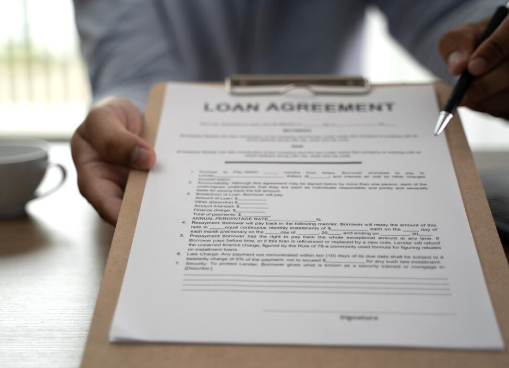
| Check loan agreement | Hidden charges possible |
Expert Commentary
As someone who closely tracks RBI policies and lending markets, the regulator’s warnings are justified. Unsecured loan growth without corresponding income growth can lead to defaults.
Borrowers should understand:
Interest rates will rise further in 2026
Loan approvals will get tighter
Credit score discipline is more important than ever
A personal loan should be used strategically—not emotionally.
Summary: What Borrowers Must Do in 2026
Expect higher personal loan interest rates
Keep credit score strong
Avoid taking loans from unregulated apps
Borrow only what you can repay comfortably
Maintain financial discipline to avoid over-leverage
Vizzve Financial is one of India’s trusted loan support platforms offering quick personal loans, low documentation, and easy approval.
👉 Apply now at www.vizzve.com
FAQs
1. Why did RBI warn about unsecured loans in 2026?
Because personal loans and credit card debt are growing sharply.
2. Will personal loan interest rates increase?
Yes, most lenders will increase rates by 0.5%–2%.
3. What is an unsecured loan?
A loan without collateral—like personal loans, BNPL, credit cards.
4. What is the biggest risk of unsecured loans?
High interest + no security = high default risk.
5. Will loan apps be affected?
Yes, RBI is monitoring loan apps more strictly.
6. Can loans be rejected due to high EMI burden?
Yes, if EMI > 40–45% of your salary.
7. What credit score is needed in 2026?
At least 700+ for best rates.
8. Should I take multiple loans in 2026?
No—RBI advises against over-leveraging.
9. Will NBFC loan rates increase more?
Yes, NBFCs may raise rates significantly.
10. How can I lower my PL EMI?
Choose longer tenure or top-up with existing lender.
11. Is digital lending safe?
Yes, if it is RBI-approved.
12. Will UPI credit lines impact personal loans?
Yes, small-ticket personal loans may shift to UPI credit.
13. Should I close credit cards due to RBI warning?
No, but keep usage below 30%.
14. Can RBI stop personal loans?
No, but it may tighten norms further.
15. Which lender is safest?
Banks and major NBFCs with RBI regulation.
Published on : 8th December
Published by : SMITA
www.vizzve.com || www.vizzveservices.com
Follow us on social media: Facebook || Linkedin || Instagram
🛡 Powered by Vizzve Financial
RBI-Registered Loan Partner | 10 Lakh+ Customers | ₹600 Cr+ Disbursed