

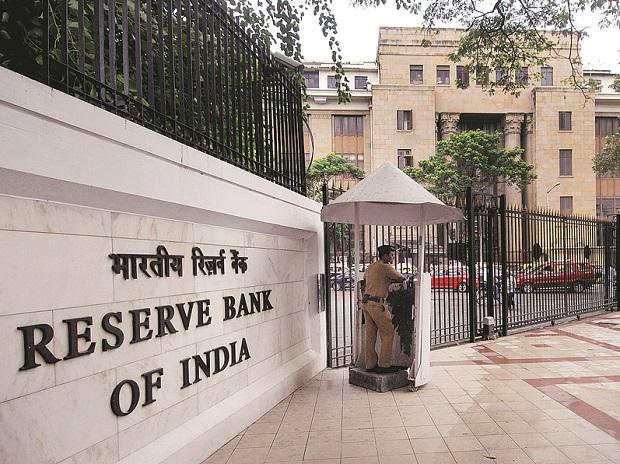
The Reserve Bank of India (RBI) is expected to maintain the current repo rate in its forthcoming monetary policy review. This decision comes amid mixed economic signals, balancing inflation control with growth support. The repo rate, which influences lending rates across the economy, is a critical tool for managing liquidity and inflation.
What is the Repo Rate?
The repo rate is the interest rate at which the RBI lends short-term funds to commercial banks. Changes in the repo rate affect borrowing costs for banks and, consequently, for businesses and consumers.
Why is RBI Considering a Steady Repo Rate?
Inflation Trends: While inflation remains elevated in some sectors, overall price pressures have shown signs of easing.
Economic Growth Concerns: Maintaining the repo rate supports economic recovery by keeping borrowing costs manageable.
Global Uncertainties: External factors such as geopolitical tensions and commodity price volatility warrant cautious monetary policy.
Liquidity Management: A steady rate helps stabilize liquidity conditions in the banking system.
Implications of a Steady Repo Rate
Borrowing Costs: Businesses and consumers can expect stable interest rates on loans.
Inflation Control: RBI will continue monitoring inflation to avoid overheating the economy.
Investment Climate: A steady policy rate may encourage steady investment and consumption.
Currency Impact: Stability in the repo rate may influence the exchange rate and foreign capital flows.
Market and Expert Reactions
Financial experts broadly anticipate the RBI’s decision to hold rates steady, emphasizing the central bank’s balanced approach. Markets are expected to respond positively to policy clarity and predictability.
Conclusion
The RBI’s likely decision to keep the repo rate unchanged reflects a cautious yet supportive stance amid evolving economic conditions. As India navigates inflationary pressures and growth challenges, this approach aims to foster stability and sustainable development.
FAQs
Q1: What is the repo rate?
A1: The repo rate is the interest rate at which the RBI lends money to commercial banks for short-term liquidity needs.
Q2: Why is RBI considering keeping the repo rate steady?
A2: To balance inflation control with economic growth amid mixed signals and global uncertainties.
Q3: How does a steady repo rate affect borrowers?
A3: It keeps loan interest rates stable, making borrowing predictable for businesses and consumers.
Q4: What impact does the repo rate have on inflation?
A4: Adjusting the repo rate helps control inflation by influencing borrowing and spending behavior.
Q5: How do markets typically react to RBI’s repo rate decisions?
A5: Markets prefer clarity and stability; a steady rate usually leads to positive investor sentiment.
Published on : 9th August
Published by : SMITA
www.vizzve.com || www.vizzveservices.com
Follow us on social media: Facebook || Linkedin || Instagram
🛡 Powered by Vizzve Financial
RBI-Registered Loan Partner | 10 Lakh+ Customers | ₹600 Cr+ Disbursed