

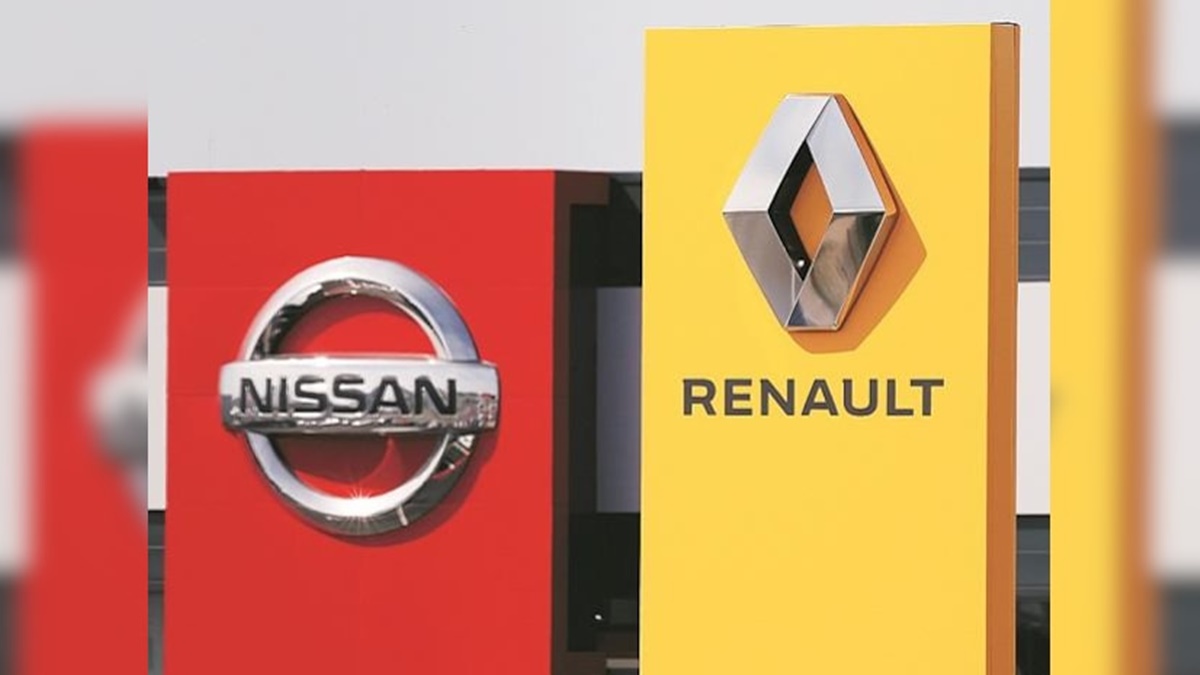
Renault to Report $11 Billion Loss on Nissan: What Went Wrong?
In a surprising announcement, Renault is set to report an $11 billion non-cash loss on its stake in Nissan for the fiscal year 2025. This massive write-down highlights the challenges both companies face amid a shifting automotive landscape. This blog explores the factors behind this loss, its implications, and what it means for the future of the Renault-Nissan alliance.
Why Did Renault Report Such a Huge Loss?
Several critical reasons contributed to Renault’s significant loss on its Nissan investment:
Declining Nissan Share Price: Nissan’s shares have fallen drastically, causing Renault’s stake valuation to plummet. The company moved to value its stake based on current market prices, reflecting the recent downturn.
Nissan’s Financial Struggles: Nissan reported losses due to declining sales and an aging product lineup that has failed to keep pace with competitors and evolving consumer preferences.
Accounting Method Changes: Renault shifted from the equity method to a financial asset valuation approach for its Nissan stake, causing the current loss to be recognized in the financial statements.
Impact on Renault and the Alliance
While the $11 billion loss is substantial, Renault clarified it is a non-cash accounting loss and will not impact its net income or dividend payouts directly. However, this reflects deeper issues within the alliance and underscores the need for strategic realignment and renewed innovation.
What Does This Mean for Consumers and the Industry?
The loss signals industry-wide challenges, including increased competition, the transition toward electric vehicles, and changing market dynamics. It also emphasizes the importance of financial solutions to support consumers amid such shifts.
How Vizzve Finance Supports Buyers Amid Industry Challenges
In an evolving automotive market, Vizzve Finance plays a vital role by offering flexible vehicle financing options. Their competitive interest rates, quick approvals, and customized EMI plans help buyers secure new vehicles—even luxury or high-investment models—easing the purchase process during uncertain times.
Frequently Asked Questions (FAQs)
Q1: What caused Renault’s $11 billion loss on Nissan?
A1: The loss is mainly due to a sharp decline in Nissan’s share price and a change in how Renault values its investment.
Q2: Will this loss affect Renault’s dividend payouts?
A2: No, this is a non-cash loss and does not impact Renault’s dividends or net income directly.
Q3: Is the Renault-Nissan alliance ending?
A3: No, the alliance remains intact, though it faces challenges requiring strategic adjustments.
Q4: How can Vizzve Finance help consumers in the current market?
A4: Vizzve Finance provides tailored financing options to make vehicle purchases easier and more affordable.
Q5: What are Nissan’s main challenges?
A5: Nissan struggles with declining sales, an aging product lineup, and increased competition in a rapidly evolving market.
Published on: July 2, 2025
Uploaded by: PAVAN
www.vizzve.com || www.vizzveservices.com
Follow us on social media: Facebook || Linkedin || Instagram
🛡 Powered by Vizzve Financial
RBI-Registered Loan Partner | 10 Lakh+ Customers | ₹600 Cr+ Disbursed