

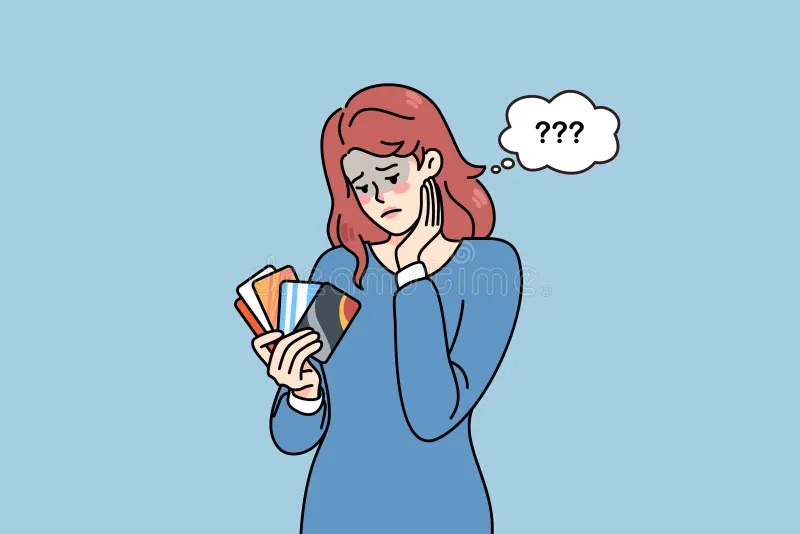
We’ve all been there — a rough day, a quick scroll through shopping apps, and suddenly... “add to cart” becomes your coping mechanism.
But is it harmless retail therapy or destructive emotional spending?
Let’s explore how this behavior impacts your finances and how to break the cycle before your savings disappear.
The Psychology Behind “Retail Therapy”
Retail therapy can temporarily improve mood by releasing dopamine. It feels like control and self-care.
But when done frequently or impulsively, it becomes emotional spending, driven by:
Stress or anxiety
Loneliness
Boredom
Low self-esteem
FOMO from social media
Emotional Spending Red Flags
Watch out for these signs:
You buy things you don’t really need
You feel guilt or regret after purchases
You use phrases like “I deserve this” or “Retail therapy time!” too often
You avoid checking your account after shopping
Your savings are constantly dipping despite decent income
The Cost of Emotional Spending
Savings Drain
Small frequent purchases add up. ₹500 spent weekly = ₹26,000/year gone.
Debt Trap
Credit card bills grow silently when shopping becomes an emotional escape.
Financial Guilt
Buyers’ remorse can affect mental health and lead to more spending — a toxic loop.
How to Regain Control
1. Identify Your Triggers
Keep a journal: When and why do you spend emotionally?
2. Create a 24-Hour Rule
Add to cart — but wait a day before checking out. You’ll buy less.
3. Use “Wishlists” Not Wallets
Move emotional wants to a wishlist and revisit after a week.
4. Build a “Joy Fund”
Allocate a fixed monthly budget for guilt-free fun spending.
5. Replace the Habit
Go for a walk, call a friend, or journal instead of browsing shopping sites.
Retail Therapy ≠ Self-Care
True self-care builds your future. Emotional spending often sabotages it.
FAQs
Q1: Is retail therapy always bad?
No. Occasional, budgeted retail therapy is fine. It turns harmful when it’s frequent, impulsive, and emotionally driven.
Q2: How do I stop emotional spending when I’m sad?
Acknowledge the feeling, find a non-financial coping mechanism, and keep your cards out of reach during those times.
Q3: Can budgeting help?
Absolutely. Budgeting gives clarity, builds awareness, and reduces guilt around planned spending.
Published on : 2nd August
Published by : SMITA
www.vizzve.com || www.vizzveservices.com
Follow us on social media: Facebook || Linkedin || Instagram
🛡 Powered by Vizzve Financial
RBI-Registered Loan Partner | 10 Lakh+ Customers | ₹600 Cr+ Disbursed