

1. Overview – A Landmark Education Proposal
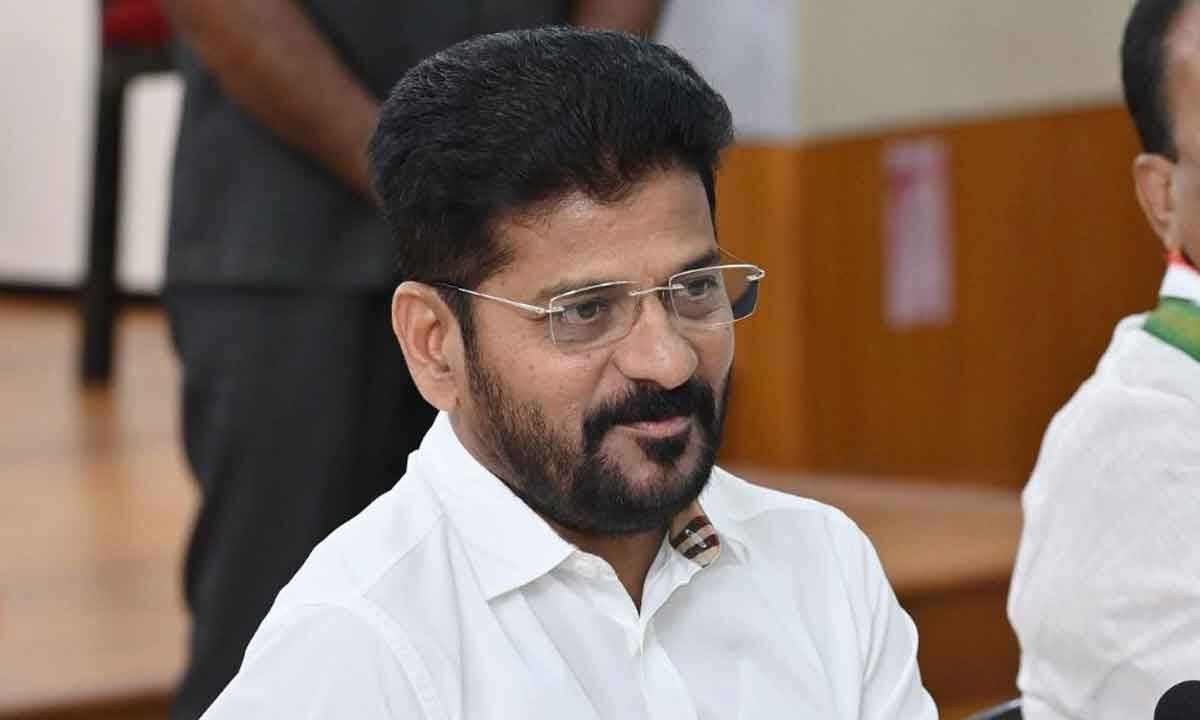
Telangana Chief Minister A. Revanth Reddy has taken a significant step toward transforming school education in the state by approaching the Union Finance Minister with a proposal to mobilize ₹30,000 crore. The funds will be used to build and upgrade “Young India Integrated Residential Schools”, a flagship project aimed at benefiting nearly 2.7 lakh students across Telangana.
The proposal seeks a Fiscal Responsibility and Budget Management (FRBM) exemption, which would enable the state to raise funds beyond the usual borrowing limits, given the project’s importance in creating long-term educational infrastructure.
2. Objective of the Young India Integrated Residential Schools
The initiative focuses on inclusive, high-quality education for students from diverse backgrounds. The primary goals include:
Establishing state-of-the-art residential schools equipped with modern classrooms, libraries, laboratories, and sports facilities.
Providing integrated learning environments that support holistic student development.
Expanding access to quality education for marginalized communities.
Creating infrastructure to support nearly 2.7 lakh students, ensuring no child is left behind in the state’s education reforms.
3. Why ₹30,000 Crore Funding is Critical
Scale of the Project: The scope covers hundreds of schools across Telangana, requiring massive capital outlay.
Long-Term Vision: Investment in education infrastructure is not just expenditure, but a development multiplier that improves human capital and drives economic growth.
FRBM Exemption: By seeking a relaxation under FRBM rules, Telangana aims to fund this large-scale project without breaching fiscal discipline norms.
4. Centre’s Response – Positive Outlook
Reports suggest that the Union Finance Ministry’s initial response has been encouraging. A positive signal from the Centre would provide Telangana with the green light to mobilize resources for this ambitious education initiative.
This support could also set a precedent for other states, highlighting education as a critical sector deserving flexibility in borrowing rules.
5. Broader Impact on Telangana’s Education Sector
If approved and implemented, the Young India Integrated Residential Schools project will:
Enhance education equity by providing rural and underprivileged students access to world-class schooling.
Improve student retention rates and reduce dropouts through residential facilities.
Support the state’s ambition of positioning itself as a leader in education-driven social development.
Create employment opportunities in teaching, administration, and school infrastructure development.
FAQ
Q1: What are the Young India Integrated Residential Schools?
They are a proposed network of state-of-the-art residential schools in Telangana, designed to serve nearly 2.7 lakh students with modern facilities and holistic education.
Q2: Why is Telangana seeking ₹30,000 crore?
The large funding is required to cover the scale of construction, infrastructure upgrades, and facilities needed for the project across the state.
Q3: What is FRBM exemption in this context?
FRBM (Fiscal Responsibility and Budget Management) rules restrict state borrowings. An exemption would allow Telangana to raise additional funds specifically for this educational project.
Q4: How has the Centre responded?
The Union Finance Ministry has reportedly given a positive initial response, signaling support for the state’s ambitious education project.
Q5: Who will benefit from the initiative?
Around 2.7 lakh students across Telangana, particularly from rural and economically weaker backgrounds, will directly benefit from the scheme.
Q6: What is the expected long-term impact?
Improved education infrastructure will enhance human capital, boost literacy, support social mobility, and contribute to Telangana’s economic growth.
Conclusion
The proposal to mobilize ₹30,000 crore for the Young India Integrated Residential Schools represents a bold vision by CM A. Revanth Reddy to prioritize education as the foundation of Telangana’s future. With the Centre’s support and FRBM flexibility, this initiative could become a game-changer for India’s education infrastructure, setting an example for other states to follow.
Published on : 10th September
Published by : SMITA
www.vizzve.com || www.vizzveservices.com
Follow us on social media: Facebook || Linkedin || Instagram
🛡 Powered by Vizzve Financial
RBI-Registered Loan Partner | 10 Lakh+ Customers | ₹600 Cr+ Disbursed
https://play.google.com/store/apps/details?id=com.vizzve_micro_seva&pcampaignid=web_share