

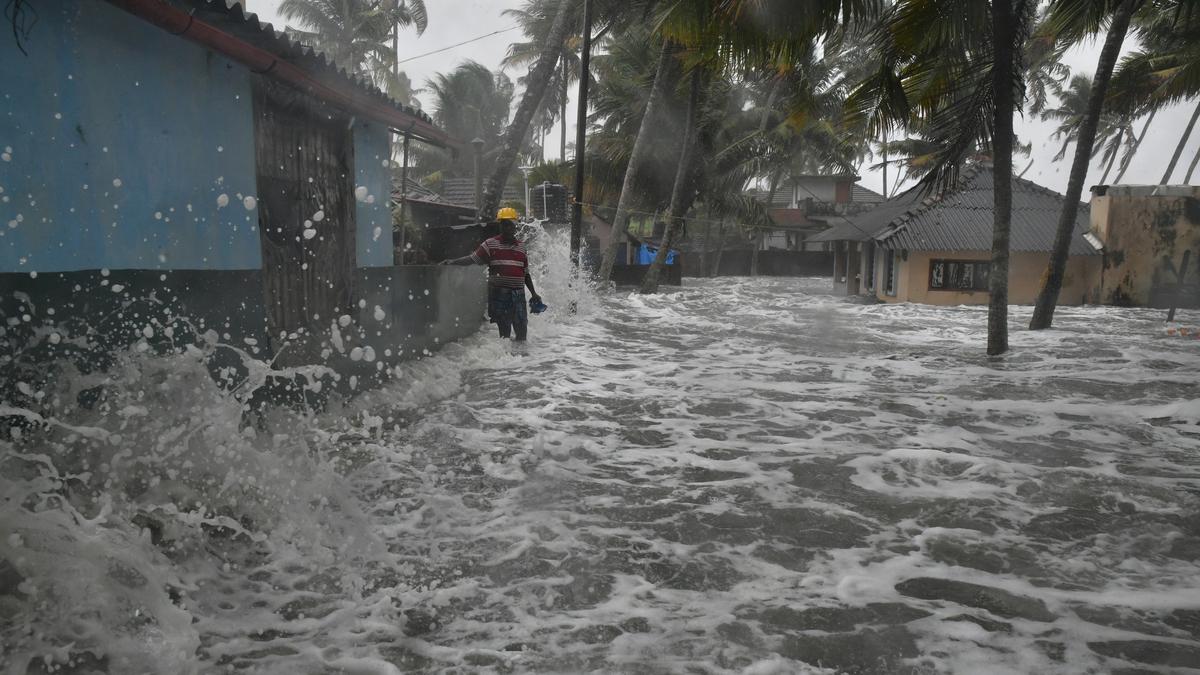
Rising Seas, Shifting Lives, and a Test of Democratic Values
The world is witnessing the profound effects of climate change, with rising sea levels threatening to reshape communities, displace millions, and challenge the very foundations of democratic societies. As coastlines erode and flood risks increase, people’s lives are shifting—forcing governments and citizens alike to confront new social, economic, and political realities.
The Impact of Rising Seas on Communities
Rising sea levels, driven by melting glaciers and thermal expansion of oceans, are inundating low-lying areas across the globe. Coastal cities and island nations face increased flooding, erosion, and salinization of freshwater sources. This leads to displacement, loss of homes and livelihoods, and exacerbates poverty and inequality.
Shifting Lives: Migration and Adaptation
Millions are already on the move as a direct consequence of climate-induced changes. Internal displacement and cross-border migration are becoming common as communities seek safety and stability. This mass movement tests infrastructure, social cohesion, and resources in both sending and receiving regions.
A Test of Democratic Values
The challenges posed by climate change and rising seas also test democratic governance. Transparent decision-making, equitable resource allocation, protection of vulnerable populations, and inclusive policy-making become critical. Democracies must rise to the challenge by engaging citizens, upholding human rights, and ensuring climate justice.
Policy Responses and International Cooperation
Effective responses require coordinated efforts from governments, civil society, and international organizations. Policies focused on mitigation, adaptation, disaster preparedness, and climate finance are essential. Collaborative frameworks can uphold democratic principles while addressing urgent environmental crises.
Frequently Asked Questions (FAQ)
Q1: How do rising sea levels affect democratic societies?
Rising seas create social and economic stresses that challenge governance, resource allocation, and protection of vulnerable groups, testing democratic values of equity and participation.
Q2: What are the main causes of rising sea levels?
Melting glaciers and polar ice caps, along with ocean thermal expansion due to global warming, drive sea-level rise.
Q3: How can governments support communities affected by rising seas?
Governments can implement adaptation strategies, improve infrastructure, support relocation efforts, and ensure inclusive policymaking.
Q4: What role does international cooperation play in addressing rising seas?
Global cooperation facilitates climate finance, knowledge sharing, and coordinated mitigation and adaptation strategies essential for vulnerable regions.
Q5: How can citizens contribute to climate resilience?
Citizens can advocate for sustainable policies, reduce carbon footprints, and participate in community resilience planning.
Published on: July 11, 2025
Published by: PAVAN
www.vizzve.com || www.vizzveservices.com
Follow us on social media: Facebook || Linkedin || Instagram
🛡 Powered by Vizzve Financial
RBI-Registered Loan Partner | 10 Lakh+ Customers | ₹600 Cr+ Disbursed