

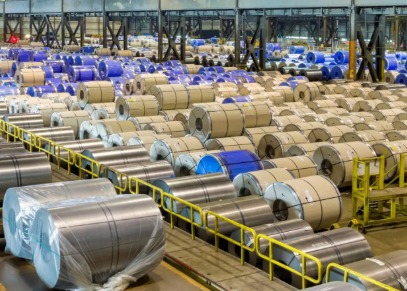
The steel and manufacturing sectors are the backbone of India’s industrial economy. However, recent shortages in raw materials and supply disruptions are not just impacting production—they’re also influencing loan availability and business financing.
When input costs rise and production slows, lenders become more cautious, affecting credit flow to MSMEs and manufacturers dependent on these sectors.
Why Steel & Manufacturing Shortages Matter
Higher Production Costs: Scarcity drives up steel prices, leading to reduced profit margins for manufacturers.
Cash Flow Strain: Delayed orders and increased raw material costs tighten working capital, forcing businesses to seek additional financing.
Reduced Credit Confidence: Lenders often view industries hit by shortages as high-risk, limiting loan approvals.
Delayed Projects: Infrastructure and construction slowdowns impact loan disbursement and repayments.
Inflationary Pressure: Rising input costs increase inflation, leading to higher interest rates on loans.
Impact on Business Financing
1. Stricter Loan Approvals
Banks and NBFCs may tighten lending criteria for businesses heavily reliant on steel or manufacturing materials.
2. Higher Interest Rates
As operational risks grow, interest rates on working capital loans may rise to offset perceived risks.
3. Collateral Requirements
Lenders might demand additional security or personal guarantees, especially for MSMEs.
4. Delayed Funding for Expansion
Firms planning to expand may face delays or reduced funding, slowing industry-wide growth.
5. Shift Toward Fintech & Alternative Lending
Businesses are turning to digital lenders and fintech platforms for faster, less restrictive financing.
How Businesses Can Cope
Diversify Suppliers: Avoid overdependence on one source for raw materials.
Negotiate Long-Term Contracts: Secure fixed-rate supply deals to mitigate price volatility.
Use Invoice Financing: Leverage unpaid invoices to access quick funds for operations.
Explore Alternative Credit: Use fintech platforms like Vizzve Finance for flexible working capital loans.
Optimize Cash Flow: Prioritize inventory management and cost efficiency to reduce reliance on high-interest credit.
FAQ
Q1: How do steel shortages affect MSMEs?
A1: MSMEs face higher input costs and cash flow challenges, making it harder to sustain operations or qualify for loans.
Q2: Can shortages influence loan interest rates?
A2: Yes, shortages often lead to inflationary pressure, which can raise overall borrowing costs.
Q3: What type of loans can help manufacturers?
A3: Working capital loans, invoice financing, and machinery loans can help maintain liquidity.
Q4: Are fintech platforms more flexible than banks?
A4: Yes, fintechs often use alternative credit assessments, offering faster approvals for smaller businesses.
Q5: What’s the long-term solution?
A5: Building domestic steel capacity and supply chain resilience can stabilize both manufacturing and business credit flow.
Conclusion
The steel and manufacturing shortages of 2025 serve as a reminder of how closely linked supply chains and financial systems are. For businesses, access to credit becomes harder when production slows—but with smart financial planning and fintech-backed solutions, companies can stay resilient and continue to grow.
Published on : 16th October
Published by : SMITA
www.vizzve.com || www.vizzveservices.com
Follow us on social media: Facebook || Linkedin || Instagram
🛡 Powered by Vizzve Financial
RBI-Registered Loan Partner | 10 Lakh+ Customers | ₹600 Cr+ Disbursed
https://play.google.com/store/apps/details?id=com.vizzve_micro_seva&pcampaignid=web_share