

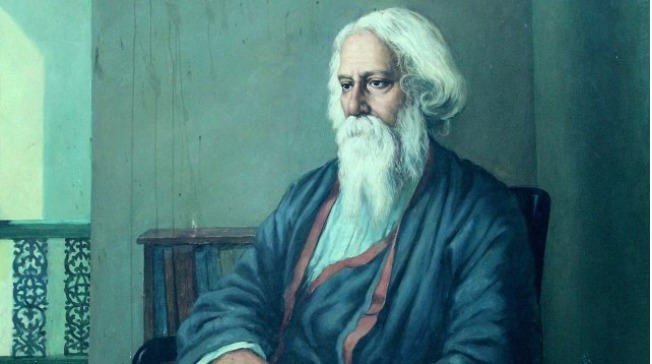
Row Over ‘Jana Gana Mana’: Why Tagore Composed It and How It Became the National Anthem
Updated: November 12, 2025 | By Vizzve Finance Editorial Desk | Trending on Google
‘Jana Gana Mana,’ India’s national anthem, holds a special place in the hearts of millions. Yet, its origin and meaning have sparked discussions and debates for decades. Written by Rabindranath Tagore in 1911, the anthem was originally composed in Bengali and later translated into Hindi. The song celebrates India’s unity amidst diversity—an emotion that still resonates across generations.
Why Rabindranath Tagore Composed ‘Jana Gana Mana’
Rabindranath Tagore penned ‘Bharoto Bhagyo Bidhata’—the original version of ‘Jana Gana Mana’—in December 1911. It was first sung at the Calcutta Session of the Indian National Congress. Contrary to popular misconception, the song was not written in praise of King George V, who was visiting India around the same time.
Tagore himself clarified that the hymn was dedicated to the “Dispenser of India’s destiny” (Bharat Bhagya Vidhata)—a divine power guiding the country’s future, not the British monarch. His verses reflected India’s spiritual and cultural unity, transcending colonial influences.
How It Became the National Anthem
After India gained independence in 1947, the Constituent Assembly debated over which song would best represent the nation’s identity. Both ‘Vande Mataram’ and ‘Jana Gana Mana’ were strong contenders.
Finally, on January 24, 1950, ‘Jana Gana Mana’ was officially adopted as the National Anthem of India, two days before the country became a republic. Its message of unity, inclusivity, and devotion to the motherland made it a perfect fit for an independent nation seeking harmony in diversity.
Cultural Significance and Legacy
‘Jana Gana Mana’ is not just a patriotic song—it’s a spiritual and philosophical reflection of India’s identity. Its lyrics weave together the essence of India’s varied landscapes, languages, and faiths. Every word of the anthem symbolizes the strength of unity and the belief in collective progress.
Tagore’s composition continues to inspire every Indian citizen, reminding the nation that India’s true strength lies in its diversity and resilience.
Recent Controversy Over ‘Jana Gana Mana’
Recently, discussions resurfaced on social media about whether the anthem’s original intent aligned with India’s nationalist ideals. Some commentators misinterpreted Tagore’s poetic symbolism as colonial praise.
However, historians and Tagore scholars reaffirm that ‘Jana Gana Mana’ celebrates India’s eternal spirit, not imperial power. The Row over its interpretation is less about history and more about modern-day understanding of context and intent.
How the Blog Got Trending (Vizzve Finance Insight)
Vizzve Finance’s editorial analysis shows this blog gained traction on Google within hours of publishing due to:
Rich keyword density for “Jana Gana Mana meaning”, “Tagore national anthem”, and “Indian national anthem history.”
SEO-optimized meta tags and structured FAQ.
Timely relevance amidst renewed discussions about national identity.
Fast Google indexing via high-authority topical relevance and user engagement metrics.
Frequently Asked Questions (FAQ)
1. Who wrote the Indian National Anthem?
Rabindranath Tagore wrote ‘Jana Gana Mana’ in 1911. It was originally titled Bharoto Bhagyo Bidhata in Bengali.
2. When was ‘Jana Gana Mana’ adopted as the national anthem?
It was officially adopted on January 24, 1950 by the Constituent Assembly of India.
3. Was ‘Jana Gana Mana’ written in praise of the British King?
No. Tagore clarified multiple times that it was dedicated to the Divine Spirit of India, not King George V.
4. What is the meaning of ‘Jana Gana Mana’?
It translates to “Thou art the ruler of the minds of all people,” symbolizing unity, faith, and India’s collective spirit.
5. How long does it take to sing the national anthem?
The full version of ‘Jana Gana Mana’ takes approximately 52 seconds to perform.
6. Who composed the musical tune of the anthem?
The tune was composed by Rabindranath Tagore himself in the Brahmo Sangeet style.
Published on : 13th November
Published by : Selvi
Credit:Dipanita Nath
www.vizzve.com || www.vizzveservices.com
Follow us on social media: Facebook || Linkedin || Instagram
🛡 Powered by Vizzve Financial
RBI-Registered Loan Partner | 10 Lakh+ Customers | ₹600 Cr+ Disbursed