

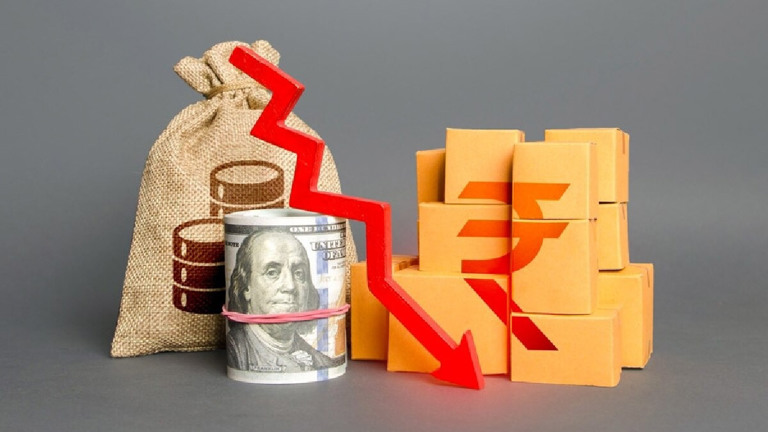
The Indian rupee slipped 10 paise to close at an all-time low of 88.19 against the US dollar today, continuing its downward trend. Currency fluctuations like this impact everything from imports and exports to inflation and foreign investment.
Why Did the Rupee Fall?
Several factors contributed to the rupee's depreciation:
Strong US Dollar: The US dollar remains strong due to rising interest rates and a robust US economy.
Trade Deficit: India’s widening trade deficit increases demand for foreign currency, putting pressure on the rupee.
Foreign Fund Outflows: Investment outflows from equities and bonds weaken domestic currency.
Oil Prices: Rising crude oil prices increase import bills, adding to currency depreciation.
Impact on the Economy:
Imports Become Costlier: Higher import costs may lead to increased prices for goods like crude oil, electronics, and machinery.
Inflationary Pressure: A weaker rupee can push inflation higher, affecting everyday consumer prices.
Foreign Investment: Currency volatility may deter foreign investors from committing to long-term investments in India.
How It Affects You:
Travel & Overseas Education: Indian travelers and students abroad will face higher expenses.
Loan EMIs in Foreign Currency: Individuals or businesses with foreign currency loans may experience increased repayment costs.
Stock Market: A weak rupee can impact certain sectors, including IT, which earns in dollars but incurs costs in rupees.
Conclusion:
The rupee’s fall to 88.19 against the US dollar is a signal of ongoing economic challenges and global pressures. While short-term volatility is common, businesses and investors should stay informed and plan accordingly.
FAQs:
Q1: Why did the Indian rupee fall to 88.19 against the US dollar?
A1: The rupee fell due to a strong US dollar, rising trade deficit, foreign fund outflows, and increasing crude oil prices.
Q2: How does a weaker rupee affect everyday consumers?
A2: Consumers may face higher prices for imported goods, more expensive travel and education abroad, and higher costs for foreign currency loans.
Q3: What is the impact on the Indian economy?
A3: Currency depreciation can increase import costs, push inflation higher, affect stock market sectors, and influence foreign investment decisions.
Q4: Can the rupee recover from its all-time low?
A4: Recovery depends on global market conditions, domestic economic policies, crude oil prices, and foreign investment flows. Short-term fluctuations are normal, but long-term stability requires strategic measures.
Published on : 1st September
Published by : SMITA
www.vizzve.com || www.vizzveservices.com
Follow us on social media: Facebook || Linkedin || Instagram
🛡 Powered by Vizzve Financial
RBI-Registered Loan Partner | 10 Lakh+ Customers | ₹600 Cr+ Disbursed
https://play.google.com/store/apps/details?id=com.vizzve_micro_seva&pcampaignid=web_share