

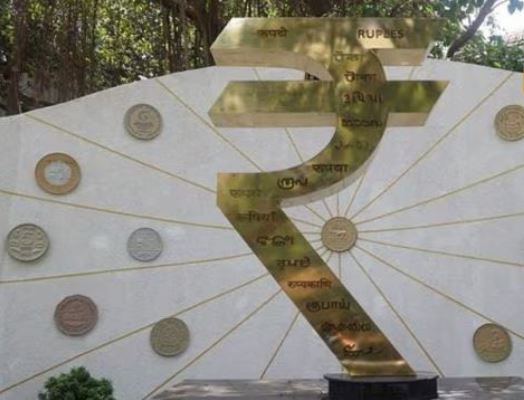
Rupee Rebounds From Historic Lows: What Is Supporting the Currency?
After falling to historic lows earlier this year, the Indian rupee has shown a sharp and steady rebound. This recovery has boosted investor confidence, improved sentiment in equity and bond markets, and highlighted the resilience of India’s macroeconomic fundamentals.
According to industry watch, the rupee’s revival is linked to a combination of strong capital inflows, RBI interventions, fiscal stability, and easing global pressures. In this analysis, we break down the major drivers behind the rupee’s rebound and how this impacts households, businesses, and the financial sector.
1. RBI’s Strategic Intervention
The Reserve Bank of India has played a critical role by:
Actively managing forex reserves
Selling dollars to reduce volatility
Ensuring adequate liquidity in the currency markets
These steps have strengthened market confidence, preventing excessive speculation and stabilising the rupee’s value.
2. Strong FPI (Foreign Portfolio Investor) Inflows
With corporate earnings performing well and India maintaining its position as a fast-growing economy, FPI inflows into:
Equity markets
Government bonds
Infrastructure funds
have increased sharply. Foreign investors consider India a reliable long-term opportunity, which naturally boosts the rupee.
3. Lower Global Crude Oil Prices
The rupee is heavily influenced by global crude markets. The recent decline in oil prices has:
Reduced India’s import bill
Improved current account stability
Lowered inflationary pressure
This has directly supported INR strength.
4. Softening of the US Dollar
The US Dollar Index has weakened as global economic uncertainty reduced aggressive dollar buying.
A softer dollar strengthens most emerging-market currencies, including the rupee.
5. Government’s Fiscal Stability
The government’s focus on:
Stable fiscal deficit
Capex-led growth
Revenue expansion
has signalled economic discipline. Markets reward predictability, and this has supported the rupee’s upward movement.
6. India’s Robust Domestic Consumption
India’s domestic economic engine continues to perform strongly across:
Retail
Real estate
Banking
Digital services
This internal strength gives the rupee a natural cushion even during global stress.
FAQs
1. Why did the rupee fall to historic lows earlier?
Global pressure, high crude oil prices, geopolitical uncertainty, and strong demand for the US dollar contributed to the decline.
2. How does RBI intervention strengthen the rupee?
By buying or selling foreign currency reserves, the RBI controls volatility and creates stability in forex markets.
3. Will the rupee continue to strengthen?
Short-term fluctuations are natural, but as long as India maintains fiscal stability and global conditions are favourable, the rupee is expected to remain steady.
4. Does a stronger rupee reduce inflation?
Yes. Imports become cheaper, lowering costs of fuel, raw materials, and many consumer products.
5. How does the rupee’s rebound affect common people?
It stabilises loan rates, reduces inflation, and can lower the price of imported essentials and electronics.
source credit : Hitesh Vyas
Published on : 26th November
Published by : RAHAMATH
www.vizzve.com || www.vizzveservices.com
Follow us on social media: Facebook || Linkedin || Instagram
🛡 Powered by Vizzve Financial
RBI-Registered Loan Partner | 10 Lakh+ Customers | ₹600 Cr+ Disbursed