

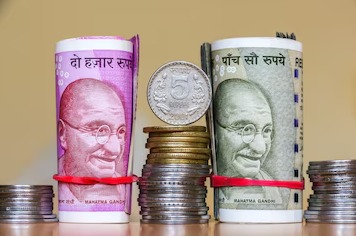
The Indian rupee has been in the spotlight lately as it experiences notable fluctuations against the US dollar and other global currencies. While market watchers and investors closely monitor these movements, the effects are far from confined to the financial sector. Every consumer—from a household budgeting for groceries to a business planning imports—feels the impact of a strong or weak rupee.
This blog explores why the rupee’s recent moves matter, what drives these changes, and how everyday consumers can navigate the ripple effects.
Why the Rupee Moves
The value of the Indian rupee is influenced by multiple factors:
Global Market Trends: Movements in the US dollar, crude oil prices, and international trade conditions affect the rupee’s strength.
Foreign Investment Flows: Inflows or outflows of foreign capital in equities and bonds can push the rupee up or down.
Trade Deficits: A higher import bill than export revenue can weaken the rupee.
Interest Rate Differentials: Changes in domestic or global interest rates impact currency demand.
Geopolitical Factors: Tensions, trade policies, or sanctions in other regions indirectly affect the rupee.
Understanding these drivers helps consumers appreciate why sudden currency swings are not random—they reflect global and domestic economic realities.
Implications for Consumers
The rupee’s performance affects everyday life in multiple ways:
Imported Goods & Electronics: A weaker rupee can make imported items like smartphones, laptops, and luxury goods more expensive.
Fuel & Energy Costs: Since India imports most of its crude oil, a depreciating rupee can push petrol, diesel, and cooking gas prices higher.
Travel & Education Abroad: A weaker rupee increases the cost of foreign travel, tuition, and living expenses for students studying overseas.
Inflation: Currency depreciation can indirectly contribute to higher inflation as import costs rise.
Investment Portfolios: Investors with foreign assets or mutual funds denominated in dollars may see gains or losses based on currency fluctuations.
Rupee Resilience: What It Means
Despite volatility, the rupee has shown resilience due to:
Strong capital inflows in sectors like IT and pharmaceuticals.
Prudent fiscal and monetary policies by the Reserve Bank of India.
Healthy foreign exchange reserves, which act as a buffer against extreme fluctuations.
This resilience gives consumers and businesses confidence that while short-term swings occur, the overall stability of the rupee remains intact.
How Consumers Can Navigate Currency Movements
Budgeting for Imports: Factor in possible price increases for imported goods.
Travel Planning: Consider currency exchange rates when booking international trips or paying tuition abroad.
Hedging Investments: Investors can diversify portfolios to include assets less affected by rupee volatility.
Monitoring Inflation Trends: Stay aware of how currency swings may indirectly impact grocery and fuel prices.
Long-term Financial Planning: Focus on savings and investments that are insulated from short-term currency shocks.
FAQs
Q1: Why does the rupee weaken against the dollar sometimes?
The rupee may weaken when global demand for dollars rises, imports exceed exports, or foreign investors withdraw funds from Indian markets.
Q2: Does a stronger rupee always benefit consumers?
Generally, yes. A stronger rupee makes imported goods cheaper and can lower costs for foreign travel and education. However, exporters may earn less when converting revenue to rupees.
Q3: How do rupee fluctuations affect fuel prices?
India imports most of its crude oil. If the rupee weakens, it takes more rupees to buy the same amount of oil, increasing domestic fuel prices.
Q4: Can currency movements impact savings or investments?
Yes. Investments in foreign assets, mutual funds, or companies with international exposure may gain or lose value depending on rupee movements.
Q5: How can consumers protect themselves from volatility?
Diversifying income and investments, budgeting for imported goods, and staying informed about macroeconomic trends are key strategies.
Conclusion
The Indian rupee’s recent moves remind us that currency health is not just a market issue—it affects real-life budgets, investments, travel, and energy costs. While short-term fluctuations are inevitable, understanding the drivers, staying informed, and adopting proactive financial habits can help consumers navigate these changes with confidence.
Rupee and resilience go hand in hand—by staying prepared, every consumer can turn challenges into opportunities.
Published on : 20th October
Published by : SMITA
www.vizzve.com || www.vizzveservices.com
Follow us on social media: Facebook || Linkedin || Instagram
🛡 Powered by Vizzve Financial
RBI-Registered Loan Partner | 10 Lakh+ Customers | ₹600 Cr+ Disbursed
https://play.google.com/store/apps/details?id=com.vizzve_micro_seva&pcampaignid=web_share