

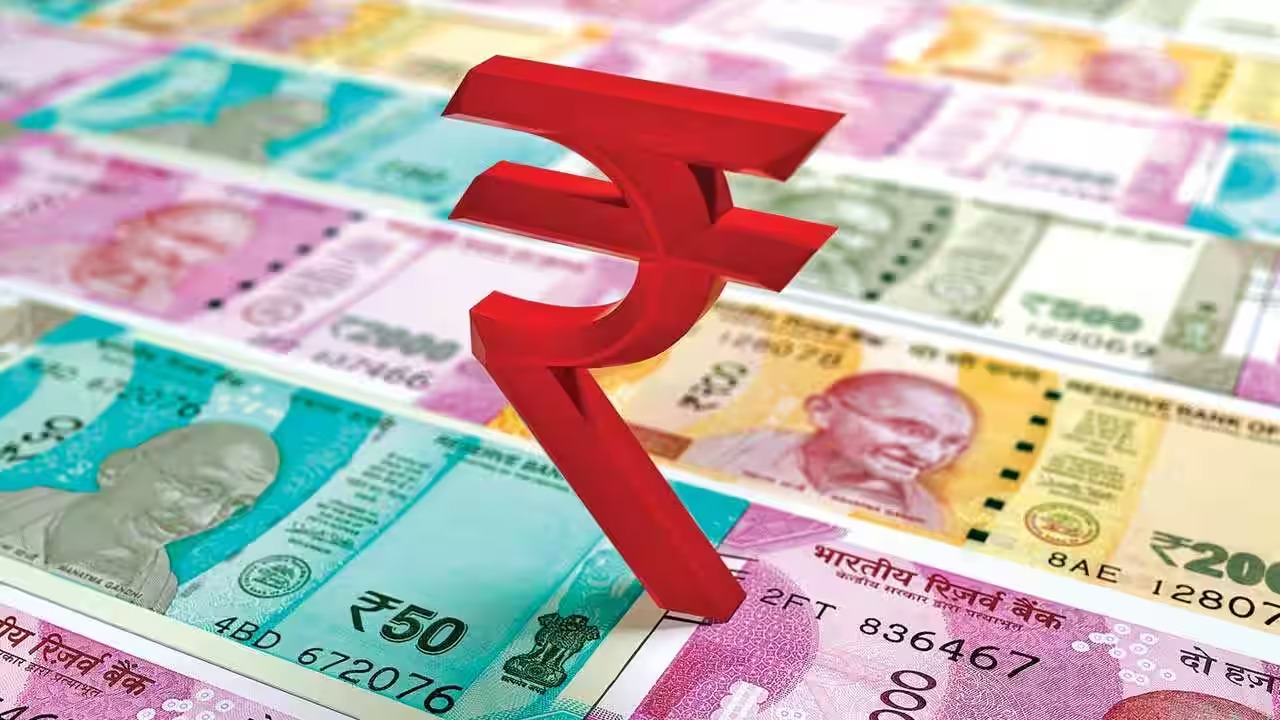
Global trade tensions are reshaping economies worldwide, and India is no exception. With rising geopolitical uncertainties, fluctuating crude oil prices, and shifting trade alliances, the Indian rupee and overall economy have been sailing through turbulent waters. The stability of India’s currency is not just a reflection of foreign exchange reserves but also a barometer of investor confidence, inflation control, and global competitiveness.
This blog explores how India is navigating the storm of trade tensions, the impact on its currency, the sectors most affected, government policies at play, and what lies ahead for Asia’s third-largest economy.
India’s Currency at the Crossroads
The Indian rupee has faced consistent pressure in 2025, primarily due to:
Global Trade Tensions: Ongoing disputes between major economies such as the US, China, and the EU have weakened global demand.
Oil Price Volatility: India imports over 80% of its crude oil needs, making the rupee vulnerable to global energy shocks.
Foreign Portfolio Outflows: Investors pulling funds from emerging markets have put additional strain on the rupee.
Strengthening US Dollar: The Federal Reserve’s tight monetary stance has made the dollar stronger, pushing the rupee down.
Impact on the Indian Economy
1. Inflationary Pressures
A weaker rupee makes imports more expensive, particularly crude oil, electronics, and machinery. This adds to inflationary pressure, increasing costs for households and businesses.
2. Export Opportunities
On the positive side, a weaker currency makes Indian goods more competitive abroad. Sectors like IT services, textiles, and pharmaceuticals benefit from improved export margins.
3. Foreign Investment Flows
Uncertainty often leads foreign investors to adopt a cautious approach. India has seen fluctuating FPI (Foreign Portfolio Investment) and FDI (Foreign Direct Investment) inflows, impacting stock markets and growth momentum.
4. Corporate Balance Sheets
Indian companies with overseas borrowings are hit hard, as repaying loans in dollars becomes more expensive when the rupee weakens.
5. Consumer Impact
Imported goods, foreign education, and overseas travel have all become more expensive for Indian citizens, leading to lifestyle and spending adjustments.
Government & RBI’s Response
To stabilize the economy, the Indian government and the Reserve Bank of India (RBI) have undertaken several measures:
Forex Interventions: The RBI has actively sold dollars to manage volatility and prevent excessive rupee depreciation.
Monetary Policy Adjustments: Key interest rate decisions are being carefully balanced to control inflation without hampering growth.
Trade Diversification: India is strengthening ties with ASEAN, Africa, and Middle Eastern nations to reduce dependency on traditional trade partners.
Production-Linked Incentive (PLI) Schemes: Encouraging domestic manufacturing to reduce reliance on imports.
Digital Rupee Experiment: The push toward central bank digital currency (CBDC) aims to modernize financial systems and reduce transaction costs.
What Lies Ahead for India’s Economy
1. Building Currency Resilience
Maintaining strong foreign exchange reserves and diversifying trade settlements in local currencies will help India safeguard against global shocks.
2. Strengthening Domestic Manufacturing
Boosting “Make in India” and PLI schemes can reduce dependency on imports and stabilize the rupee in the long term.
3. Balanced Fiscal Policy
The government must strike a balance between growth spending and fiscal discipline to avoid widening deficits that put additional pressure on the currency.
4. Green Energy Investments
Reducing oil dependency through renewable energy investments will be a long-term game changer for currency stability.
5. Global Positioning
India has the opportunity to emerge as a reliable alternative supply chain hub amid US-China trade rivalries. Strengthening bilateral trade agreements can help India weather future storms.
Conclusion
India’s journey through global trade tensions is like navigating a stormy sea. While challenges like a weakening rupee, inflation, and capital outflows persist, opportunities in exports, manufacturing, and global positioning present a silver lining.
The key lies in resilient policies, sustainable growth strategies, and international cooperation. With careful steering, India can not only stabilize its currency but also strengthen its role as a rising economic power in the global arena.
FAQs
Q1. Why is the Indian rupee under pressure in 2025?
Global trade tensions, higher crude oil prices, and foreign investment outflows have weakened the rupee.
Q2. How do trade tensions affect India’s economy?
They impact exports, create inflationary pressure, reduce investor confidence, and strain the rupee.
Q3. Which sectors gain from a weaker rupee?
IT services, textiles, and pharmaceuticals benefit as exports become more competitive.
Q4. What measures is the RBI taking to stabilize the currency?
The RBI intervenes in forex markets, manages inflation through monetary policy, and maintains healthy reserves.
Q5. What is India’s long-term strategy amid global trade tensions?
India is focusing on domestic manufacturing, diversifying trade partners, investing in green energy, and positioning itself as a global supply chain hub.
Published on : 18th August
Published by : SMITA
www.vizzve.com || www.vizzveservices.com
Follow us on social media: Facebook || Linkedin || Instagram
🛡 Powered by Vizzve Financial
RBI-Registered Loan Partner | 10 Lakh+ Customers | ₹600 Cr+ Disbursed