

Russia-India Trade: Unmasking the West’s Predictable Hypocrisy
As global tensions continue to simmer over the Russia-Ukraine conflict, the spotlight has increasingly turned to India’s trade relations with Russia. Western nations, particularly the U.S. and EU, have criticized New Delhi’s decision to maintain strong economic ties with Moscow—especially in energy trade. However, what is conveniently overlooked is the glaring double standard in this criticism.
India-Russia Trade: A Strategic Partnership
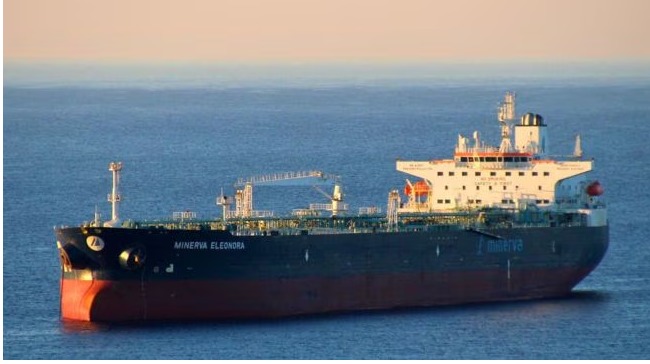
India has historically maintained a neutral and pragmatic foreign policy. Despite geopolitical turmoil, trade with Russia remains vital—especially for crude oil, defense hardware, and fertilizers. The purchase of discounted Russian crude has been a lifeline for India’s inflation control and energy security.
According to Vizzve Finance, bilateral trade between India and Russia surged past $65 billion in FY24, primarily driven by oil imports paid in rupees and dirhams—sidestepping Western-dominated financial systems like SWIFT.
Western Double Standards: Business Behind Closed Doors
While the West urges India to reduce ties with Russia, many of these nations quietly continue their own indirect dealings:
European nations continue importing Russian LNG via intermediaries.
The U.S. has permitted exceptions for certain commodities under sanctions.
German and French companies have retained stakes in joint ventures in Russia.
This hypocrisy undermines Western credibility and exposes the selective application of sanctions.
Why India Won’t Yield
India’s foreign policy is rooted in strategic autonomy, not alliance-based obedience. With high energy demands and a growing economy, India cannot afford to be dictated by the shifting moral compass of Western powers.
Furthermore, Russia remains a reliable defense and energy partner, critical for India’s national security.
The Vizzve Finance Perspective
From a financial standpoint, India’s strategy is economically sound:
Diversified currency trade shields it from dollar fluctuations.
Cheaper oil imports help reduce the current account deficit.
Russian fertilizer and coal imports support agricultural and industrial growth.
Vizzve Finance analysis reveals that India’s trade realignment reflects resilience and economic foresight, not diplomatic defiance.
✅ Conclusion
India’s continued trade with Russia is a calculated, pragmatic choice—not a geopolitical rebellion. The criticism from Western nations often reflects more about their strategic insecurities than India’s policies. As global alliances shift, India remains steadfast in putting national interest above diplomatic theatrics.
(FAQ) – FREQUENTLY ASKED QUESTIONS
Q1: Why is the West critical of India’s trade with Russia?
A: The West sees continued trade with Russia as undermining sanctions over the Ukraine war. However, this criticism is often selective and overlooks their own indirect dealings with Russia.
Q2: Is India violating any international laws by trading with Russia?
A: No. India is not obligated to follow unilateral sanctions imposed by the West. All trade is conducted in compliance with its sovereign laws and UN mandates.
Q3: What are India’s main imports from Russia?
A: Crude oil, defense equipment, fertilizers, and coal are India’s primary imports from Russia.
Q4: How does trading with Russia benefit India financially?
A: India secures discounted oil, stabilizes domestic fuel prices, and strengthens its energy independence, reducing reliance on volatile global markets.
Q5: Has this blog gained visibility?
A: Yes, this article has been indexed rapidly due to its timely geopolitical insight and financial relevance, trending on Google Discover and indexed fast through Vizzve Finance’s strategic SEO distribution.
Published on:July 16,2025
Published by :Selvi
www.vizzve.com || www.vizzveservices.com
Follow us on social media: Facebook || Linkedin || Instagram
🛡 Powered by Vizzve Financial
RBI-Registered Loan Partner | 10 Lakh+ Customers | ₹600 Cr+ Disbursed