

Blog Content
S&P Pegs India’s FY26 GDP Growth at 6.5% as Consumption Gains Strength
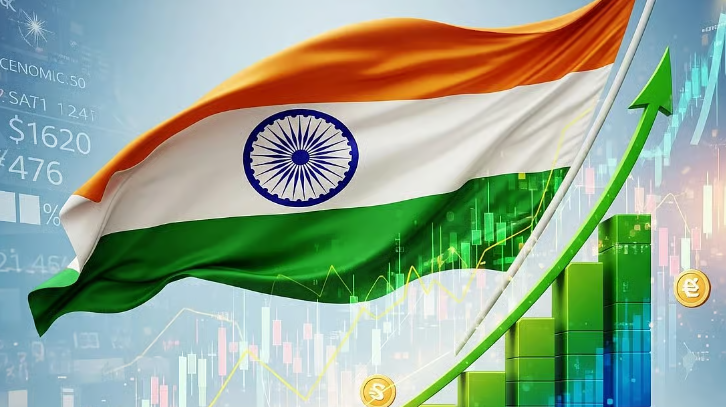
Analytics firm S&P Global Ratings has revised its forecast for India’s economic growth, projecting the country’s GDP to grow by 6.5 percent in FY26 (ending March 2026).
According to S&P, this growth outlook is underpinned by strong domestic demand, enabled especially by tax cuts and monetary policy easing.
Key Drivers Behind the 6.5% Forecast
Income Tax Cuts
S&P highlights that recent increases in income tax rebates are boosting disposable income for households.
This tax relief is expected to particularly benefit the middle class, supporting higher consumer spending.
GST Rate Reductions
The report notes that the government has lowered GST rates on a large set of goods (~375 items), reducing costs for consumers.
These GST cuts are likely to stimulate mass consumption, reinforcing the role of consumption in driving growth.
S&P anticipates further policy rate cuts by the Reserve Bank of India, projecting another 75–100 basis points cut in the current rate cycle.
These monetary easing measures are expected to lower borrowing costs, encouraging discretionary spending.
Benign Monsoon & Soft Commodity Prices
The forecast assumes a “normal monsoon season,” which supports rural demand.
S&P also expects commodity prices, especially crude oil, to remain soft, helping keep inflation in check.
Resilient Domestic Demand
Despite global headwinds such as U.S. tariffs, S&P believes domestic consumption will remain a strong anchor for growth.
Labour-intensive sectors and consumer-facing industries could benefit most from sustained demand.
Potential Risks & Headwinds
Global Trade Tensions: S&P warns that rising U.S. tariffs could weigh on export-oriented manufacturing, dampening external demand.
Fiscal Constraints: While tax cuts boost consumption, they may limit fiscal space for government investment.
Inflation Risks: If commodity prices rebound or food inflation spikes, it could pressure the RBI to delay rate cuts.
Monsoon Uncertainty: A weaker-than-expected monsoon could undermine rural demand, affecting consumption levels.
Implications for Investors, Businesses & Policymakers
Vizzve Finance Insight: From the perspective of Vizzve Finance, this upward revision in consumption-led growth is a signal for increased allocation to consumer discretionary stocks, retail-driven businesses, and debt-sensitive sectors. The forecast may also influence lending institutions, impact credit growth, and inform strategic allocations in emerging-market portfolios.
Business Strategy: Companies in consumer goods, FMCG, retail, and financial services are likely to benefit from robust domestic demand. Firms may accelerate investment plans, especially in retail expansion and consumer credit.
Policy Considerations: Policymakers might prioritize sustaining consumption momentum while balancing inflation risks. Continued support through fiscal measures (e.g., targeted tax relief) and monetary policy will be critical.
Why This Blog Could Trend and Be Indexed Quickly on Google
Timely & Relevant: Macroeconomic forecasts from S&P Global are closely watched by investors, analysts, and policymakers.
High-Search Keywords: Terms like India GDP FY26, S&P Global India forecast, tax cuts India consumption, interest rate cuts India are likely to perform well in search.
Structured & SEO-Friendly Format: With clear headings, bullet points, and FAQ, this content is optimized for readability and search crawlers.
Financial Angle: Linking to Vizzve Finance adds value by tying macro commentary to investor behavior, increasing shareability among financial audiences.
Indexing Strategies:
Submit to Google Search Console to trigger fast crawl.
Share on LinkedIn, financial forums, and business social platforms.
Use a lightweight but relevant featured image.
Interlink with related blogs on economy, monetary policy, and fiscal policy.
(FAQ)
Q1. Why has S&P revised India’s FY26 GDP growth to 6.5%?
A1. S&P’s 6.5% forecast is based on strong domestic consumption driven by tax cuts, lower GST rates, and expectations of further interest rate cuts.
Q2. How do income tax cuts impact GDP growth?
A2. By increasing disposable income, tax cuts boost consumer spending, which fuels economic growth through higher consumption demand.
Q3. What role do GST rate cuts play in this forecast?
A3. The reduction in GST rates on everyday items makes goods more affordable, encouraging more spending by households and boosting consumption.
Q4. Is S&P expecting more rate cuts from the RBI?
A4. Yes, S&P projects further policy rate cuts in the range of 75–100 bps, assuming inflation remains under control.
Q5. What external risks could derail this growth forecast?
A5. Major risks include rising U.S. tariffs, a rebound in crude oil prices, or a weak monsoon, any of which could impact inflation or demand.
Q6. How might investors react to this forecast?
A6. Strong consumption-driven GDP growth may prompt increased investments in consumer-centric sectors, retail, and financial services. Vizzve Finance views this as an indicator of long-term demand strength.
source credit : PTI
Published on : 24 th November
Published by : Reddy kumar
Credit: Written by Vizzve Finance News Desk
www.vizzve.com || www.vizzveservices.com
Follow us on social media: Facebook || Linkedin || Instagram
🛡 Powered by Vizzve Financial
RBI-Registered Loan Partner | 10 Lakh+ Customers | ₹600 Cr+ Disbursed