

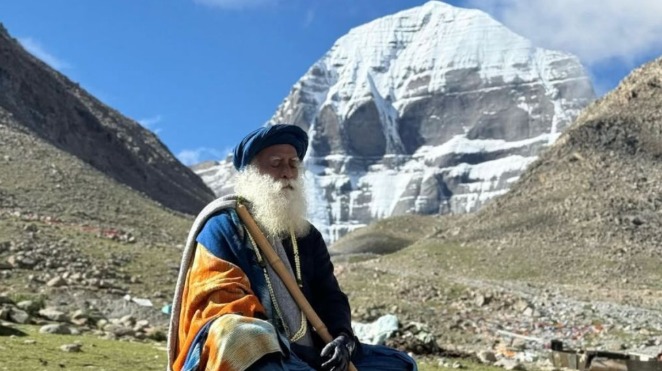
Sadhguru’s Spiritual Ride Sparks Debate
Spiritual leader Sadhguru recently embarked on a motorbike ride to Mount Kailash after undergoing multiple brain surgeries earlier this year. While his followers admired his determination and resilience, medical experts have expressed concerns about the risks of such a journey at high altitudes, especially for someone recovering from neurological procedures.
Why Mount Kailash Poses a Challenge
Mount Kailash, located in Tibet, stands at over 6,600 meters above sea level. The region is known for:
Low oxygen levels
Sudden weather changes
High physical exertion
For individuals recovering from brain surgeries, these conditions could pose serious health challenges, including increased risk of brain swelling, oxygen deprivation, and cardiovascular strain.
Expert Views on Risks
Doctors highlight the following risks for patients with recent neurological history:
Altitude Sickness: Reduced oxygen levels can stress the brain and heart.
Blood Pressure Fluctuations: May trigger complications after surgery.
Risk of Seizures or Strokes: Due to decreased oxygen supply and physical stress.
Slower Recovery: Any strain may prolong the healing process.
Precautions Recommended by Doctors
Gradual Acclimatization: Avoid sudden ascent.
Constant Monitoring: Keep oxygen levels, pulse, and BP in check.
Emergency Medical Access: Ensure backup plans for evacuation.
Avoid Overexertion: Rest and hydration must be prioritized.
Public Reactions
While admirers celebrate Sadhguru’s resilience and dedication, medical experts advise caution, stressing that spiritual journeys should not compromise one’s health.
Frequently Asked Questions (FAQs)
Q1. Why is Mount Kailash risky after brain surgery?
High altitude, low oxygen, and physical exertion can increase neurological risks, potentially leading to complications like stroke or seizures.
Q2. How long should a person wait before undertaking such journeys post brain surgery?
Doctors recommend waiting at least 6–12 months, depending on the surgery type and recovery progress, but individual cases vary.
Q3. Can spiritual determination overcome medical risks?
While mental strength aids recovery, ignoring medical advice can worsen health outcomes. Balance between spirituality and medical safety is essential.
Q4. What precautions should patients take at high altitudes?
Patients should acclimatize gradually, monitor oxygen levels, carry medication, and avoid strenuous activity.
Published on : 1st September
Published by : Selvi
www.vizzve.com || www.vizzveservices.com
Follow us on social media: Facebook || Linkedin || Instagram
🛡 Powered by Vizzve Financial
RBI-Registered Loan Partner | 10 Lakh+ Customers | ₹600 Cr+ Disbursed