

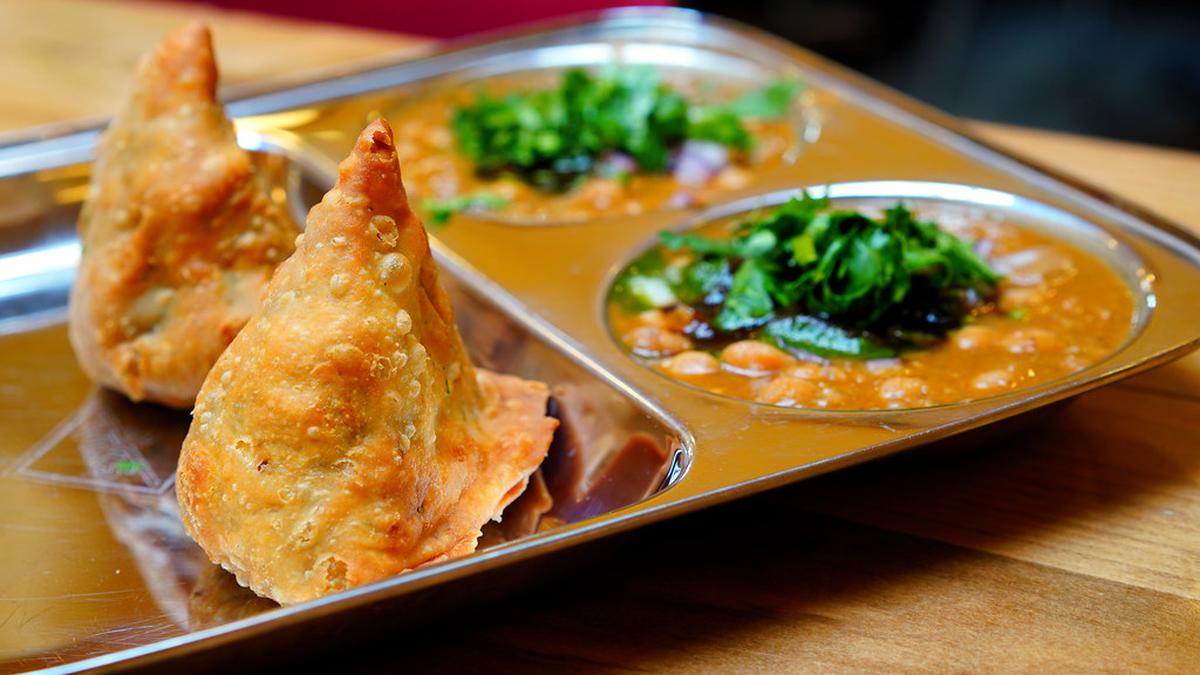
SAMOSA TO GET A REALITY CHECK WITH GOVERNMENT ORDER ON SUGAR AND FAT BOARDS AT OFFICES
In a bid to promote healthier food choices, the Indian government has issued a new directive mandating display boards showing sugar, salt, and fat content in food items served in all office premises — both private and public.
This policy means popular high-fat snacks like samosas, kachoris, and fried foods may now come with visible nutritional warnings, effectively giving them a "reality check" in workplace environments.
GOVERNMENT PUSH FOR TRANSPARENCY IN FOOD LABELING
The move is part of a larger public health initiative by the Food Safety and Standards Authority of India (FSSAI). The goal is to make consumers aware of what they’re eating, especially in places where snacks and fast food are widely consumed — like office cafeterias, government canteens, and vending machines.
Key highlights of the policy:
Mandatory display of sugar, salt, and fat content per item
Labels must be clearly visible at serving points, menus, or digital displays
Applies to all foods served in institutions, workplaces, and public offices
SAMOSA, THE BELOVED SNACK, UNDER SPOTLIGHT
Often considered a staple of Indian tea breaks, the samosa is known for its deep-fried crust and carb-rich filling, making it high in trans fats and simple carbs. While loved across generations, the new policy will put its nutritional profile on public display, possibly reducing consumption in formal work environments.
According to food policy experts at Vizzve Finance, this step may not directly ban such snacks, but it forces accountability among food vendors and creates health awareness among consumers.
FOOD INDUSTRY AND WORKPLACE IMPACT
Catering vendors and office canteens may face initial pressure to:
Reformulate recipes to meet lower fat and sugar thresholds
Offer alternative healthy options to meet employee expectations
Update menus and display boards with nutritional data regularly
HR departments, wellness committees, and corporate offices will also likely support the change as part of employee well-being programs.
FAQ
Q1: What is the new government rule about food in offices?
The government now requires display of sugar, salt, and fat content on food items served in offices, including snacks and packaged foods.
Q2: Is the samosa being banned?
No, it’s not banned. However, it will now carry a visible warning or information label on its fat and sugar content in institutional settings.
Q3: Who enforces this rule?
The Food Safety and Standards Authority of India (FSSAI) is enforcing the directive.
Q4: Will this apply to private offices?
Yes, the rule applies to both public and private offices where food is served to employees or visitors.
Q5: How will this affect office canteens?
Canteens will need to display nutritional values and may consider healthier alternatives to high-fat snacks like samosas and pakoras.
Published on: July 15, 2025
Published by: PAVAN
www.vizzve.com || www.vizzveservices.com
Follow us on social media: Facebook || Linkedin || Instagram
🛡 Powered by Vizzve Financial
RBI-Registered Loan Partner | 10 Lakh+ Customers | ₹600 Cr+ Disbursed