

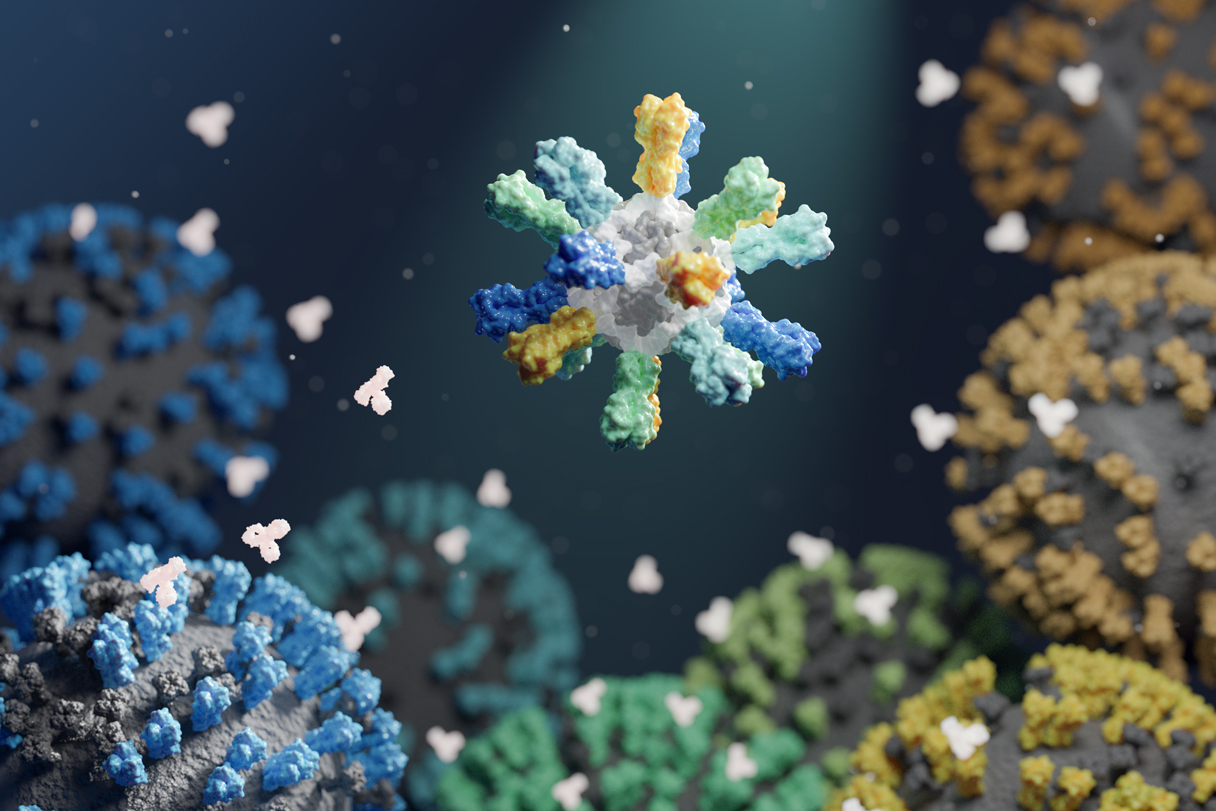
Scientists Use AI-Designed Proteins to Generate Immune Cells
A cutting-edge scientific breakthrough has demonstrated how artificial intelligence (AI) can be harnessed to design custom proteins that enhance the cancer-killing efficacy of immune cells, specifically T cells. This advancement enables immune cells to better recognize and destroy cancer cells like melanoma far more efficiently than previously possible.
The Innovation: AI-Designed Protein “GPS” for Immune T Cells
Utilizing generative AI models trained on protein structures and sequences, scientists have engineered tiny proteins that act like a molecular GPS, guiding T cells directly to cancer targets.
These AI-generated proteins are designed from scratch — a process that traditionally took months but now can be accomplished within days or weeks thanks to AI-powered computational platforms.
The research, published in the journal Science in July 2025, showed that T cells equipped with these proteins rapidly located and killed melanoma cells in lab tests.
How It Works
The team used sophisticated AI tools, including diffusion models and screening algorithms, to propose and validate protein shapes and amino acid sequences that would tightly and specifically bind to cancer markers (peptide-MHC complexes on tumor cells).
Once designed, the proteins were tested and inserted genetically onto T cells, creating engineered immune cells capable of precise cancer targeting.
This approach is a leap beyond traditional therapies like CAR T-cell therapy because it doesn’t rely on naturally occurring T cell receptors, enabling a customizable and scalable therapy design.
Significance and Potential Impact
This platform shortens the discovery-to-treatment timeline dramatically, from years to just weeks.
By allowing precision targeting of diverse cancer markers, it opens the possibility for personalized cancer treatments tailored for individual patients and tumor types.
The development also incorporates virtual safety checks to minimize cross-reactivity with healthy tissue, aiming for safer treatment profiles.
Clinical trials in humans are anticipated within the next five years, with ongoing lab and animal testing currently underway.
Research Leadership and Collaboration
This breakthrough emerged from the Technical University of Denmark led by Dr. Timothy Jenkins, alongside collaborators at the Scripps Research Institute and the University of Washington’s Baker lab, notable for pioneering protein design aided by AI.
The work builds on advances that recently earned the 2024 Nobel Prize in Chemistry for computational protein structure prediction.
Frequently Asked Questions (FAQ) About AI-Designed Proteins and Immune Cells
Q1: What is the main achievement of this AI research?
Scientists used AI to design new proteins that can arm immune T cells to better recognize and kill cancer cells.
Q2: How does AI improve upon current immunotherapy methods?
AI significantly speeds up protein design, enabling creation of highly specific molecules in weeks rather than months, and allows targeting a broader range of cancers.
Q3: What cancers have been tested with this method?
Lab tests so far have focused on melanoma and other tumor markers like NY-ESO-1, with potential to expand to patient-specific cancers.
Q4: Are these AI-designed proteins safe for human use?
Preliminary virtual safety screenings exclude proteins that might mistakenly target healthy cells; further testing is ongoing to ensure safety.
Q5: When could patients expect treatments based on this technology?
Clinical trials are expected in approximately five years following further lab and animal studies.
Q6: What role did computational models play in this discovery?
AI models generated protein structures and amino acid sequences, screened them virtually for efficacy and safety, and guided lab validation.
Q7: How does this relate to existing therapies like CAR T-cell therapy?
This approach creates entirely new protein binders rather than relying on natural T-cell receptors, enabling quicker and more customizable immunotherapies.
Published on: August 2, 2025
Published by: PAVAN
www.vizzve.com || www.vizzveservices.com
Follow us on social media: Facebook || Linkedin || Instagram
🛡 Powered by Vizzve Financial
RBI-Registered Loan Partner | 10 Lakh+ Customers | ₹600 Cr+ Disbursed