

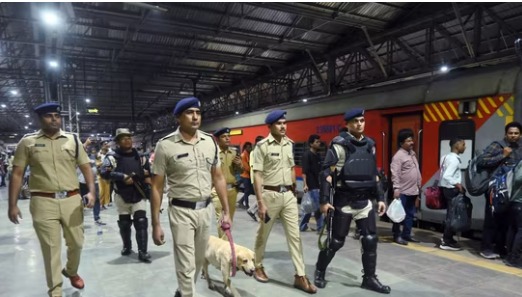
The year 2025 has tested India’s security architecture in ways few anticipated. From the shock of an explosion near the historic Red Fort to a tense bomb threat aboard an international flight, the country faced a series of incidents that highlighted both vulnerabilities and strengths within the nation’s intelligence, surveillance and crisis-response systems.
These events have triggered national conversations about preparedness, coordination between agencies, and the evolving nature of threats in an increasingly volatile global environment.
1. The Red Fort Blast: A Wake-Up Call for Urban Security
The Red Fort blast rattled the nation, raising urgent concerns about the safety of iconic landmarks and high-density urban zones. The attack exposed:
Gaps in perimeter surveillance
The need for better predictive intelligence
Challenges in securing public heritage sites
Increasing risks of low-cost, high-impact attacks
Authorities responded with heightened patrols, forensic investigations and a fresh review of Delhi’s high-value security grid.
2. Bomb Threat on an International Flight: Aviation Security Under Spotlight
Only weeks after the Red Fort incident, a bomb threat on an international flight bound for India forced emergency protocols to be activated. The aircraft made a precautionary landing, passengers were screened, and security teams were deployed within minutes.
This incident revealed:
How quickly aviation threats can escalate
The importance of inter-country cooperation
Vulnerabilities in baggage and passenger screening
The psychological impact of threat-based disruptions even when no device is found
India continues to tighten aviation security checks, including:
Enhanced passenger profiling
AI-based surveillance in airports
Stricter scrutiny of cargo and unaccompanied baggage
3. The Pattern: Why 2025 Saw a Surge in Security Alerts
Experts point to a combination of factors:
Rise in asymmetric warfare and lone-wolf style threats
Heightened geopolitical tensions abroad influencing domestic risk
Improvised explosive devices (IEDs) becoming easier to assemble
Digital radicalization, where misinformation accelerates extremist activity
The year shows that traditional threat models are no longer enough.
4. How India Responded: Lessons in Crisis Management
Despite the seriousness of both incidents, India’s security agencies successfully prevented larger tragedies. Key improvements observed:
Rapid coordination between police, intelligence and special task forces
Better use of technology for threat analysis
Real-time communication between central and state agencies
Increased public vigilance and cooperation
These responses signal that India’s crisis management is becoming more agile and tech-driven.
5. The Road Ahead: Strengthening India’s Security Architecture
The 2025 incidents underline the need for long-term structural upgrades:
AI-powered surveillance systems for public spaces
Integrated command centres across major cities
Stronger cyber intelligence to track online radicalization
More training for first responders in handling high-pressure threats
Public awareness campaigns on reporting suspicious activity
India’s security challenges are complex — but so is its drive to modernise its defence and internal security mechanisms.
FAQs
Q1. What happened in the Red Fort blast?
It was a targeted explosion near the historic monument that raised concerns over urban security and landmark protection.
Q2. How was the international flight bomb threat handled?
The plane made an emergency landing, passengers were evacuated safely, and security teams conducted a complete threat sweep.
Q3. Why are security threats increasing in 2025?
Rising geopolitical tensions, digital radicalization, and sophisticated low-cost terror methods are contributing factors.
Q4. What improvements has India made in response?
Better coordination between agencies, more tech-based surveillance, and faster crisis response mechanisms.
Q5. What are the future priorities for India’s security?
Enhanced surveillance, stronger cyber intelligence, integrated command systems, and increased public awareness.
Published on : 14th November
Published by : SMITA
www.vizzve.com || www.vizzveservices.com
Follow us on social media: Facebook || Linkedin || Instagram
🛡 Powered by Vizzve Financial
RBI-Registered Loan Partner | 10 Lakh+ Customers | ₹600 Cr+ Disbursed