

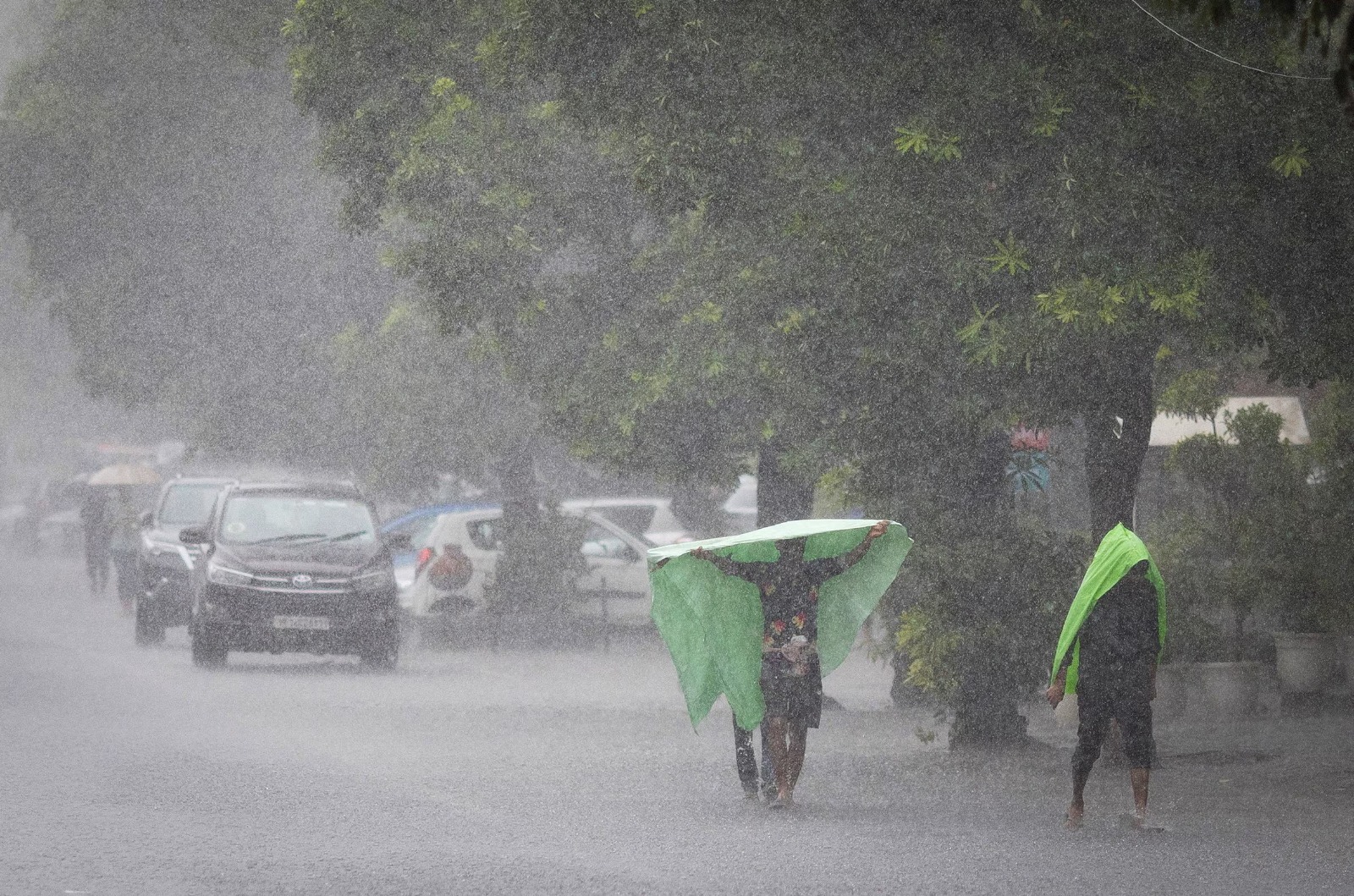
The Indian monsoon continues to play a decisive role in shaping the country’s climate and economy. According to recent forecasts, September is expected to bring above-average rainfall in many regions of India, with the exception of parts of the Northeast and southern states like Tamil Nadu and Kerala.
While this surplus rainfall is a boon for water reservoirs and agriculture, it also raises the risks of crop damage, flooding, and waterlogging in vulnerable areas.
Above-Average Rainfall Forecast
Meteorologists have predicted that large parts of central, western, and northern India will experience more-than-normal rainfall this September. This is attributed to active monsoon systems over the Bay of Bengal and Arabian Sea that are likely to push moisture inland.
This outlook means better soil moisture and groundwater replenishment, which is critical for India’s predominantly rain-fed agriculture. However, with intense rainfall also comes the challenge of managing drainage systems and flood preparedness.
Regions with Deficient Rainfall
Not all regions will share in the surplus. Some parts of the Northeast and southern states like Tamil Nadu and Kerala are likely to see below-average rainfall. This uneven distribution may affect regional crop patterns and pose challenges for farmers who depend on consistent monsoon showers.
Impact on Agriculture
Above-average monsoon rains can significantly benefit kharif crops such as rice, pulses, and oilseeds. Adequate rainfall boosts reservoir levels and ensures good irrigation for the coming rabi season.
However, excess rainfall can also damage standing crops, cause soil erosion, and lead to pest outbreaks due to excessive moisture. Farmers and state governments must therefore plan crop insurance, drainage measures, and pest control to mitigate these risks.
Flooding Risks and Preparedness
Many parts of India are prone to urban and rural flooding during heavy downpours. Overflowing rivers, inadequate drainage, and encroachments on floodplains can worsen the situation. States with a history of flooding are advised to activate disaster management plans and ensure that embankments, reservoirs, and canals are properly monitored.
Water Reservoirs & Hydropower
The expected rainfall will help recharge water reservoirs, essential for drinking water supply, irrigation, and hydropower generation. This is a positive sign for water-stressed regions and the energy sector.
Conclusion
As September unfolds, India stands to gain from above-average monsoon rains, but must also remain vigilant against the risks of flooding and crop losses. Balanced planning, timely advisories, and robust infrastructure are key to turning this forecast into an advantage for farmers and communities.
Frequently Asked Questions (FAQ)
1. What does the September monsoon forecast indicate for India?
The forecast suggests that most parts of India will see above-average rainfall in September, except for parts of the Northeast and southern states like Tamil Nadu and Kerala.
2. Why is above-average monsoon rainfall important?
Above-average rainfall helps replenish reservoirs, improve soil moisture, and support agriculture, especially rain-fed crops. It also benefits hydropower generation and groundwater recharge.
3. Which regions are likely to receive less rainfall this September?
Parts of the Northeast (like Arunachal Pradesh, Nagaland, and Manipur) and southern states such as Tamil Nadu and Kerala may experience below-normal rainfall compared to the national average.
4. What risks come with above-average rainfall?
While beneficial overall, heavy rains increase the risks of urban and rural flooding, crop damage, soil erosion, and pest outbreaks due to excessive moisture.
5. How can farmers prepare for excess rainfall?
Farmers are advised to:
Ensure proper drainage in fields
Use crop insurance and pest control measures
Stay updated with official weather advisories
Choose short-duration or flood-tolerant crop varieties if feasible
Published on : 15th September
Published by : SMITA
www.vizzve.com || www.vizzveservices.com
Follow us on social media: Facebook || Linkedin || Instagram
🛡 Powered by Vizzve Financial
RBI-Registered Loan Partner | 10 Lakh+ Customers | ₹600 Cr+ Disbursed
https://play.google.com/store/apps/details?id=com.vizzve_micro_seva&pcampaignid=web_share